



Wood Panels: A Comprehensive Guide to Versatile Wall Solutions
What Are Wood Panels?
Wood panels are flat structures composed of thin layers of wood or wood-based materials. These panels are commonly used in construction, furniture, and interior decoration due to their versatility, durability, and natural aesthetic appeal. Depending on the type, wood panels can be made from solid timber, plywood, medium-density fiberboard (MDF), or Particleboard. Their widespread use in both commercial and residential settings is a testament to their adaptability in various architectural styles.

Wood wall panels, in particular, are often chosen for their aesthetic qualities, providing a natural and warm feel to any interior space. These panels can come in various forms, such as tongue-and-groove, shiplap, or decorative boards. Plywood, another popular form of wood panels, is favored for its strength and structural integrity in construction projects.
Wood panels are a go-to choice for people looking for eco-friendly building materials. The sustainability of wood products depends on the type of wood used, the manufacturing process, and the method of sourcing the wood. Modern wood panels often come from sustainably managed forests, making them an environmentally responsible choice for architects and builders.
The Versatility of Wood Panels in Modern Construction
Wood panels offer remarkable flexibility in terms of their application. They can be utilized in a variety of settings, from residential to commercial, and provide both structural and aesthetic benefits.
Structural Uses of Wood Panels
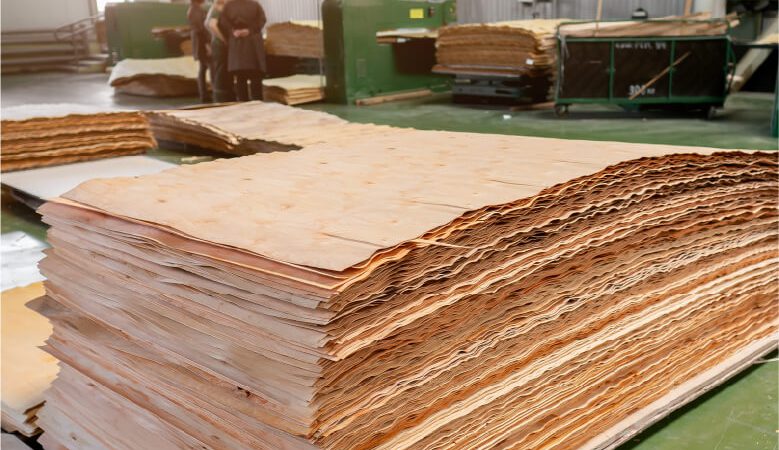
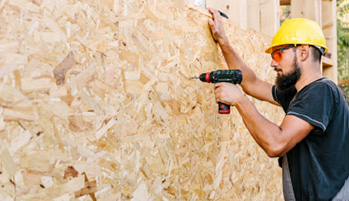
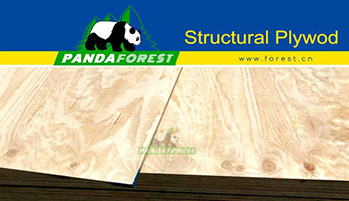
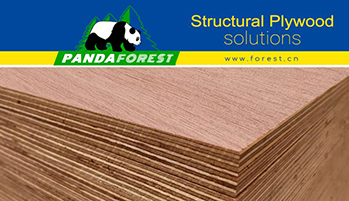
Wood panels are used extensively in load-bearing applications, particularly plywood and timber. Plywood, for instance, is made by layering thin sheets of wood veneers, which are glued together at right angles. This construction gives plywood exceptional strength, making it ideal for building walls, floors, and roofs. Timber panels, on the other hand, can be employed as large structural elements in frameworks or to create durable support systems.
- Timber Framing and Cladding Timber panels are often used in large structures such as homes or public buildings. As both a functional and decorative material, they provide a strong and visually appealing finish to walls, roofs, and ceilings. The natural texture of timber, along with its insulating properties, makes it a popular choice for energy-efficient buildings.
Wood Wall Panels in Interior Design
Wood wall panels are commonly used in interior design to add texture, warmth, and character to spaces. They can be employed in a variety of design styles, ranging from rustic to modern, providing a classic or contemporary look based on the type of panel selected.
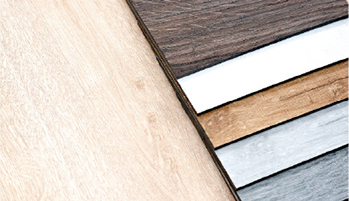
Decorative Wood Wall Panels Interior designers frequently choose wood wall panels for their aesthetic value. For instance, shiplap and beadboard offer a farmhouse or coastal feel, while more modern flat wood panels can be used to create a sleek, minimalistic appearance. Homeowners often use these panels to cover an entire room or just accent a single wall.
Textured Wood Panels Adding texture with wood panels is another way to make spaces feel cozy and inviting. Textured panels often highlight the natural grain of the wood, giving depth to the interior design. Wood panels in darker tones can provide a bold, elegant appearance, while lighter panels can make spaces feel airy and open.
Wood Panels in Furniture and Cabinetry
Beyond walls and structural uses, wood panels are crucial in the manufacturing of furniture and cabinetry. MDF and particleboard, in particular, are often used in the production of cabinets, shelves, and other furniture pieces. These wood-based panels are affordable and easy to work with, making them a practical choice for both builders and manufacturers.
- MDF and Particleboard Medium-density fiberboard (MDF) and particleboard are cost-effective alternatives to solid wood panels. These materials are typically used in flat-pack furniture and cabinetry due to their affordability and consistent surface quality. MDF, in particular, can be painted or veneered to achieve various finishes, making it a versatile option in interior décor.
Environmental Benefits of Wood Panels
As sustainability becomes a more pressing concern, wood panels are increasingly valued for their eco-friendly characteristics. Wood is a renewable resource, and when sourced responsibly, wood panels can significantly reduce the carbon footprint of a building project. Many wood panel manufacturers now use reclaimed or recycled wood, further enhancing the environmental benefits of these materials.
- Sustainable Wood Sourcing Many wood panels are made from wood sourced from certified sustainable forests. This practice ensures that the timber is harvested in a way that maintains the forest’s ecological balance, providing renewable resources without causing long-term damage. Certifications like the Forest Stewardship Council (FSC) and the Programme for the Endorsement of Forest Certification (PEFC) are commonly used to verify that the wood is sourced sustainably.
Durability and Longevity of Wood Panels
Wood panels are incredibly durable when properly maintained. Different types of wood panels offer varying levels of longevity, but with the right care, even the most basic wood wall panels can last for decades.
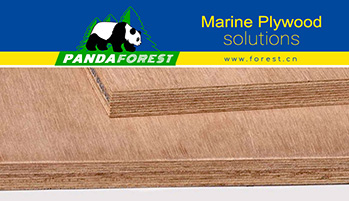
Water-Resistant Wood Panels Some wood panels, such as marine plywood, are specifically designed to resist moisture and withstand harsh conditions. These panels are treated with waterproof adhesives, making them suitable for use in bathrooms, kitchens, or even outdoor applications. For homeowners looking to enhance the longevity of their wood panels, opting for water-resistant materials is key.
Finishing Techniques The durability of wood panels can also be enhanced with finishing techniques such as staining, varnishing, or painting. These finishes not only protect the wood from external elements like moisture or UV light but also enhance its natural beauty.

Types of Wood Panels
There are several types of wood panels available, each serving different purposes in construction and design. The choice of panel largely depends on the intended use, whether structural, decorative, or a combination of both.
Plywood Panels
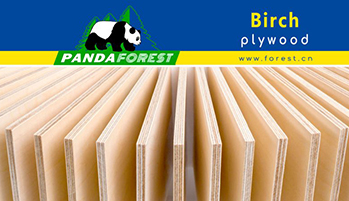
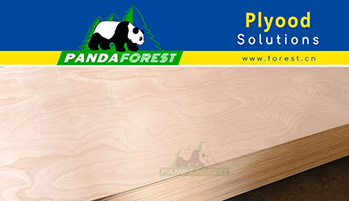
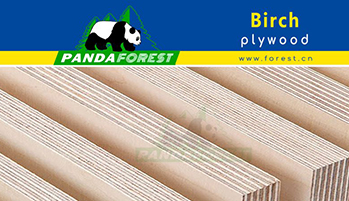
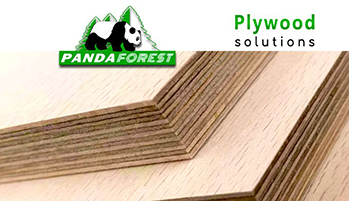
Plywood is one of the most commonly used wood panels due to its versatility and strength. Composed of thin layers of wood veneers, plywood is strong enough for structural uses such as flooring, roofing, and walls. It can also be used in furniture and cabinetry.
Timber Panels
Timber panels are typically made from solid wood or engineered wood. They are often used in construction for framing and structural support. These panels are ideal for building durable, load-bearing structures while offering an aesthetic finish that adds to the overall appearance of a building.
MDF Panels
MDF is an engineered wood panel that is created by breaking down hardwood or softwood residuals into wood fibers, combining them with wax and resin, and forming panels by applying heat and pressure. MDF is valued for its smooth surface and is often used in furniture production.
Particleboard Panels
Particleboard is another type of engineered wood panel made from wood chips and resin. It is less expensive than plywood and MDF, making it a popular choice for low-cost furniture. However, it is not as durable or moisture-resistant as other wood panels.
Wood Panels in Exterior Applications
Wood panels are not limited to interior design and structural uses; they also play a significant role in exterior applications. Due to their adaptability and aesthetic appeal, wood panels can be used to enhance outdoor spaces, providing both functional and decorative benefits.
Exterior Cladding
Exterior wood panels are commonly used as cladding to protect buildings from weather conditions while adding a natural and rustic appeal. Timber cladding, for instance, is a popular choice for both residential and commercial buildings. It helps insulate the building while allowing moisture to escape, which is crucial in preventing rot and decay.
- Types of Wood for Exterior Cladding Several types of wood are suitable for exterior applications, including cedar, redwood, and thermally treated pine. These species are naturally resistant to rot and insects, making them ideal for outdoor environments. Additionally, exterior wood cladding can be stained or treated to enhance its durability and match the desired aesthetic.
Outdoor Furniture and Decking
Wood panels can also be used in the construction of outdoor furniture and decking. Plywood, especially marine-grade plywood, is often chosen for outdoor furniture due to its water resistance. Likewise, timber panels are a popular choice for decking, providing a durable and visually appealing surface for outdoor living areas.
Sustainability in Exterior Wood Applications
Sustainability is a growing concern in exterior wood panel applications. Many manufacturers are adopting sustainable practices, such as using reclaimed wood for exterior projects. This not only helps reduce waste but also adds a unique, aged look to the wood that can enhance the aesthetic appeal of outdoor spaces.
The Aesthetic Appeal of Wood Panels in Modern Design
Wood panels have become a key element in modern design, offering a versatile and natural material that can be customized to fit various styles. Whether it's a sleek, minimalist look or a rustic, farmhouse aesthetic, wood panels provide a warm and inviting touch to any space.
Wood Panels in Contemporary Design
In contemporary design, wood panels are often used to create clean lines and a natural feel. Smooth, flat wood panels, such as MDF or plywood, are frequently painted in neutral tones to achieve a modern, minimalist aesthetic. The use of wood panels in modern design is not limited to walls; they can also be used for ceilings, cabinetry, and even as room dividers.
- Accent Walls with Wood Panels Accent walls made of wood panels are a popular trend in modern homes. These walls add texture and depth to a room without overwhelming the space. Dark wood panels, such as walnut or mahogany, are often used to create a focal point in living rooms or bedrooms. Lighter woods, like oak or birch, can make a space feel more open and airy.
Rustic and Farmhouse Styles
For those who prefer a more traditional or rustic style, wood panels are the perfect choice. Shiplap and reclaimed wood panels are often used in farmhouse designs, providing a cozy and lived-in feel. These types of wood panels are typically left unfinished or given a light stain to highlight the natural grain of the wood.
- Reclaimed Wood Panels Reclaimed wood panels are particularly popular in rustic design. These panels are made from repurposed wood, often salvaged from old barns, factories, or other buildings. The aged appearance of reclaimed wood adds character to any room, making it a sought-after material for both interior and exterior design projects.
Mid-Century Modern and Scandinavian Influences
Wood panels are also a key component in mid-century modern and Scandinavian design. In these styles, wood is used to create a balance between natural materials and clean, functional spaces. Light-colored wood panels, such as birch or pine, are often paired with minimalist furniture and neutral color palettes to create a sense of calm and simplicity.
Enhancing Acoustic and Insulation Properties with Wood Panels
Beyond their aesthetic appeal, wood panels also offer practical benefits such as improved acoustics and insulation. This makes them a valuable addition to both residential and commercial spaces where sound control and energy efficiency are important.
Acoustic Benefits of Wood Panels
Wood panels are excellent at absorbing sound, making them a popular choice in spaces where noise reduction is essential. For example, wood wall panels are often used in music studios, theaters, and offices to improve acoustics and reduce echo. The natural fibers in wood help to dampen sound waves, creating a more pleasant and controlled environment.
- Acoustic Wood Panels Specialized acoustic wood panels are designed with sound absorption in mind. These panels typically have perforations or grooves that allow sound to pass through, where it is absorbed by a layer of insulation behind the panel. Acoustic wood panels can be used on walls, ceilings, or even as decorative room dividers in open-plan spaces.
Insulation Properties of Wood Panels
Wood panels also provide excellent insulation, helping to regulate temperature and reduce energy consumption. Timber and plywood panels, in particular, are effective at trapping heat in the winter and keeping spaces cool in the summer. This makes wood panels an energy-efficient option for both residential and commercial buildings.

Wood Panels FAQs
Q: What are wood panels used for?
A: Wood panels are versatile and can be used for both structural and decorative purposes. They are commonly used in construction for walls, floors, and roofs, as well as in interior design for accent walls and furniture.
Q: Are wood panels environmentally friendly?
A: Yes, wood panels can be environmentally friendly, especially when sourced from sustainably managed forests or made from reclaimed wood. Many wood panel products are also recyclable, making them a responsible choice for eco-conscious builders and designers.
Q: What is the difference between plywood and MDF?
A: Plywood is made from thin layers of wood veneer glued together, providing strength and durability. MDF (medium-density fiberboard) is made from wood fibers and resin, offering a smoother surface but less structural strength than plywood.
Q: Can wood panels be used in outdoor applications?
A: Yes, certain types of wood panels, such as marine plywood and treated timber, are designed for outdoor use. These panels are resistant to moisture and can withstand the elements, making them suitable for exterior cladding, decking, and outdoor furniture.
Q: How do I maintain wood panels?
A: Wood panels can be maintained by regularly cleaning them with a damp cloth and using appropriate wood care products, such as polish or sealant. For outdoor panels, it is essential to apply water-resistant treatments to protect them from moisture and weather damage.
Wood panels remain a timeless and versatile choice for builders and designers alike. From their practical benefits in construction to their aesthetic appeal in interior design, wood panels offer a balance of form and function that is unmatched by other materials. Their durability, sustainability, and wide range of applications make them an excellent choice for any project.