


Waterproof Plywood Options for Builders
What is Waterproof Plywood?
Waterproof plywood is a specialized type of plywood engineered to resist moisture, ensuring durability and strength even in wet and humid conditions. Unlike standard plywood, which can absorb water and swell or degrade over time, waterproof plywood is treated with special resins and coatings that protect it from moisture ingress. This makes it a popular choice in construction, particularly in areas where exposure to water is unavoidable, such as bathrooms, kitchens, outdoor decking, and concrete formwork.
There are several types of waterproof plywood, each designed for specific applications. Film faced plywood, for example, is coated with a phenolic film that enhances its water resistance and provides a smooth surface, making it ideal for use in concrete formwork where a clean finish is required. Shuttering plywood, another variant, is commonly used in temporary structures and formwork due to its strength and resistance to water. Phenolic plywood, known for its high moisture resistance and strength, is often used in harsh environments and heavy-duty applications.

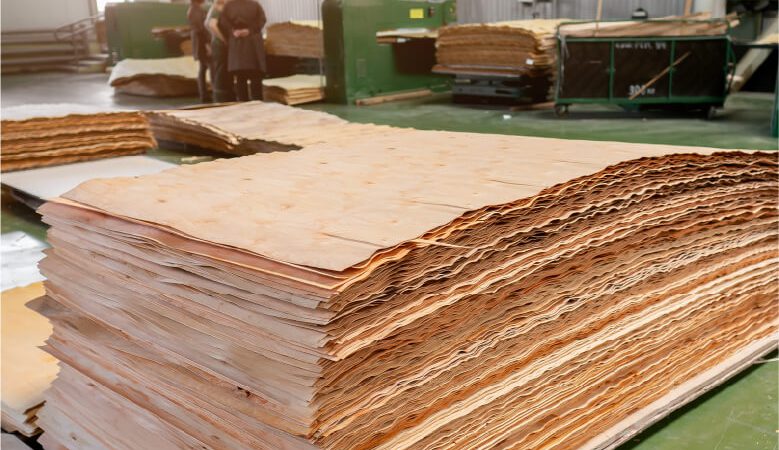
The construction of waterproof plywood involves bonding layers of wood veneer with waterproof adhesives, typically phenol formaldehyde or melamine, which are known for their excellent water-resistant properties. This process not only enhances the plywood’s ability to resist moisture but also increases its overall structural integrity, making it suitable for both residential and industrial use. Waterproof plywood is available in various sizes and thicknesses, allowing builders and designers to choose the right product for their specific needs, ensuring long-lasting performance in even the most challenging conditions.
Features and Benefits of Waterproof Plywood
Superior Moisture Resistance
One of the standout features of waterproof plywood is its ability to resist moisture, preventing swelling, warping, and delamination. This quality makes it particularly valuable in construction projects where exposure to water is a concern. The use of waterproof adhesives and special coatings ensures that the plywood remains intact even when exposed to rain, humidity, or direct contact with water.
Key Benefits:
- Prevents Swelling and Warping: Maintains its shape and strength even in wet conditions, unlike standard plywood.
- Extended Lifespan: Durable enough to withstand repeated exposure to moisture without losing structural integrity.
- Ideal for High-Moisture Areas: Perfect for bathrooms, kitchens, basements, and outdoor applications.
Enhanced Durability and Strength
Waterproof plywood is not only resistant to moisture but also highly durable and strong, making it suitable for a wide range of heavy-duty applications. This type of plywood is designed to handle significant weight and stress, making it ideal for use in formwork and other structural applications.
Durability Features:
- High Load-Bearing Capacity: Withstands the pressure and weight of concrete, making it a reliable choice for formwork.
- Impact Resistance: Robust enough to handle the demands of construction sites and repeated use.
- Long-Term Performance: Maintains its strength and appearance over time, reducing the need for frequent replacements.
Versatility in Applications
The versatility of waterproof plywood extends beyond its moisture resistance, allowing it to be used in various applications. From interior construction to outdoor projects, waterproof plywood provides a reliable solution wherever durability and water resistance are required.
Common Applications:
- Concrete Formwork: Used extensively in construction to create smooth, reusable molds for concrete.
- Exterior Cladding: Protects building exteriors from weather elements while maintaining a sleek appearance.
- Furniture and Cabinetry: Ideal for kitchens and bathrooms where exposure to water is common.

Types of Waterproof Plywood
Film Faced Plywood
Film faced plywood is a type of waterproof plywood that is coated with a phenolic film on both sides. This film provides a smooth, hard surface that prevents moisture penetration and ensures easy cleaning. Film faced plywood is widely used in the construction industry for concrete formwork due to its strength, smooth finish, and reusability.
Features of Film Faced Plywood:
- Smooth Surface: Creates a high-quality concrete finish with minimal defects.
- Reusable: Can be used multiple times in formwork, making it cost-effective.
- Easy to Clean: The phenolic film prevents concrete from sticking, simplifying cleanup.
Shuttering Plywood
Shuttering plywood, also known as formwork plywood, is specifically designed for use in temporary structures and concrete molds. It is made with waterproof adhesives and durable wood veneers, ensuring that it can withstand the rigors of construction sites and repeated exposure to moisture.
Benefits of Shuttering Plywood:
- High Strength: Supports heavy loads and maintains structural integrity in challenging conditions.
- Moisture Resistant: Prevents water damage, making it ideal for outdoor and wet applications.
- Versatile: Used in a variety of temporary structures, including scaffolding, molds, and bracing.
Phenolic Plywood
Phenolic plywood is known for its high moisture resistance and durability, thanks to its phenolic resin coating. This type of plywood is often used in environments where high humidity or exposure to chemicals and water is common, such as in marine construction, industrial flooring, and heavy-duty formwork.
Key Characteristics of Phenolic Plywood:
- Chemical Resistance: Withstands exposure to harsh chemicals and water, making it suitable for industrial use.
- High Load Capacity: Supports heavy loads without bending or breaking, ensuring safe and reliable performance.
- Long-Lasting: Retains its properties over time, offering excellent value for demanding applications.
Applications and Uses of Waterproof Plywood
Construction and Formwork
Waterproof plywood is a staple in the construction industry, particularly in the creation of formwork for concrete. Its ability to resist moisture and provide a smooth finish makes it ideal for casting concrete walls, slabs, and columns. The durability of waterproof plywood ensures that it can be reused multiple times, saving costs and resources.
Concrete Formwork Benefits:
- Smooth Concrete Finish: Ensures high-quality results with fewer surface defects.
- Cost-Effective Reusability: Can be reused several times, reducing the overall cost of formwork.
- Easy Handling: Lightweight and easy to cut, allowing for quick and efficient formwork setup.
Outdoor Applications
The water-resistant properties of waterproof plywood make it suitable for outdoor projects, including decking, fencing, and cladding. It provides a sturdy and weatherproof solution that can withstand the elements, maintaining its appearance and functionality over time.
Outdoor Use Cases:
- Decking: Provides a stable and attractive surface for outdoor decks and patios.
- Fencing: Offers a durable, moisture-resistant option for fencing in gardens and properties.
- Exterior Cladding: Protects building exteriors from rain and humidity, extending the lifespan of the structure.
Marine and Industrial Uses
In marine and industrial environments, waterproof plywood is valued for its ability to resist not only water but also chemicals and other harsh conditions. This makes it an ideal material for shipbuilding, industrial flooring, and other heavy-duty applications.
Industrial Benefits:
- Resistant to Harsh Conditions: Performs well in environments exposed to water, chemicals, and heavy loads.
- Durable Flooring Solutions: Provides a robust surface for industrial flooring, reducing maintenance needs.
- Marine Construction: Used in shipbuilding and docks, where exposure to water is constant.

Choosing the Right Waterproof Plywood for Your Project
Considerations for Selecting Waterproof Plywood
When selecting waterproof plywood, it is crucial to consider the specific requirements of your project, such as the level of moisture exposure, the load-bearing capacity needed, and the desired finish. Different types of waterproof plywood offer varying benefits, making it important to match the plywood type to your project’s demands.
Selection Tips:
- Assess Moisture Exposure: Choose phenolic plywood for high moisture environments, like marine or industrial settings.
- Load Requirements: Opt for film faced plywood when smooth finishes and multiple reuses are required, such as in concrete formwork.
- Surface Appearance: For visible applications, select plywood with a high-quality finish that complements the project aesthetics.
Thickness and Size Options
Waterproof plywood is available in various thicknesses and sizes to cater to different applications. Thicker panels provide enhanced strength and are suitable for heavy-duty uses, while thinner panels are ideal for lighter, decorative purposes.
Common Thicknesses:
- 9mm to 12mm: Suitable for light-duty applications such as furniture or interior cladding.
- 15mm to 18mm: Commonly used in construction for formwork and outdoor decking.
- 21mm and Above: Ideal for industrial flooring, heavy-duty formwork, and marine construction.
Standard Sizes:
- 1220mm x 2440mm: The most widely used size, suitable for general construction purposes.
- 1500mm x 3000mm: Used in large-scale projects where fewer joints and a smoother finish are desired.
Benefits of Using Waterproof Plywood in Construction
Cost-Effective and Sustainable
Waterproof plywood provides a cost-effective solution for construction and industrial applications due to its durability and reusability. By choosing waterproof plywood, builders can reduce long-term costs associated with frequent replacements and repairs.
Economic Advantages:
- Lower Maintenance Costs: The durability of waterproof plywood minimizes the need for repairs or replacements.
- Reusability: Particularly in formwork applications, high-quality waterproof plywood can be reused multiple times, reducing material costs.
- Sustainable Sourcing: Many manufacturers use responsibly sourced timber, supporting environmentally friendly construction practices.
Improved Safety and Performance
Waterproof plywood enhances safety on construction sites by providing reliable structural support and resistance to moisture-related degradation. Its consistent performance under wet conditions ensures that structures remain stable and safe over time.
Safety Features:
- Prevents Structural Failures: Moisture resistance reduces the risk of warping or weakening, maintaining the integrity of the structure.
- Slip-Resistant Surfaces: Some types of waterproof plywood, like phenolic plywood, offer slip-resistant coatings, enhancing safety in industrial and marine environments.
- Reliable Performance: High-quality waterproof adhesives and coatings ensure the plywood retains its strength and appearance, even in challenging conditions.
Frequently Asked Questions (FAQs)
Q: What makes waterproof plywood different from regular plywood?
A: Waterproof plywood is treated with special adhesives and coatings that protect it from moisture, preventing swelling, warping, and degradation. This makes it ideal for use in wet and humid conditions, unlike regular plywood which can absorb water and deteriorate over time.
Q: Can waterproof plywood be used outdoors?
A: Yes, waterproof plywood is suitable for outdoor use, including applications like decking, fencing, and exterior cladding. Its moisture-resistant properties ensure it performs well even when exposed to rain, humidity, and direct water contact.
Q: How many times can film faced plywood be reused in formwork?
A: Film faced plywood can typically be reused up to 10-15 times, depending on the quality of the plywood, the conditions of use, and proper maintenance. Its phenolic film coating helps prevent concrete from sticking, allowing for easy cleaning and repeated use.
Q: Is phenolic plywood suitable for marine environments?
A: Yes, phenolic plywood is highly resistant to moisture, chemicals, and harsh conditions, making it an excellent choice for marine applications such as shipbuilding, docks, and industrial flooring in wet environments.
Q: What are the best applications for shuttering plywood?
A: Shuttering plywood is best used in temporary structures and concrete formwork where strength and moisture resistance are required. It is commonly used in scaffolding, molds, and other supporting structures during the construction process.
Q: What thickness of waterproof plywood should I use for my project?
A: The thickness depends on the application. For light-duty projects, 9mm to 12mm may be sufficient, while heavy-duty applications like formwork or industrial flooring may require 15mm to 21mm thick plywood.