


Timber Panel: Enhancing Your Interiors with Natural Elegance
What is Timber Panel?
Timber Panels, also known as wood panels, are flat boards made from timber or wood composites. These panels serve both functional and decorative purposes. Timber panels have been widely used in construction and interior design for decades. Their natural look brings warmth and a sense of authenticity to indoor spaces.

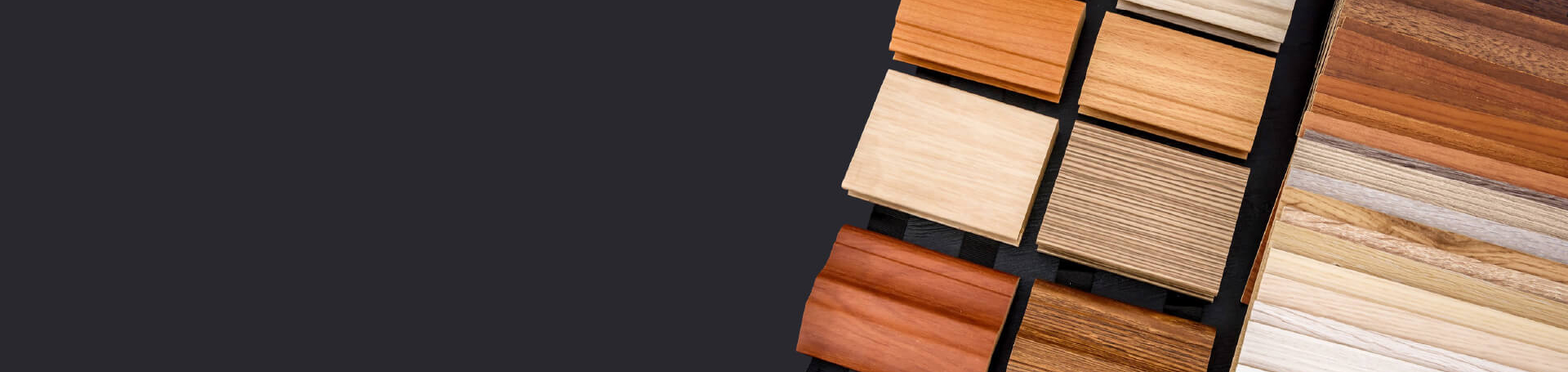
Whether crafted from solid timber, plywood, or engineered wood, timber panels are versatile and offer numerous design possibilities. They can be used in various forms: as wall paneling, for ceilings, or even as partitions. The rich textures and patterns of wood grains make timber panels visually appealing while contributing to the room's overall atmosphere.
As more people seek sustainable, eco-friendly materials for their homes, timber panels have become an attractive option. Wood is a renewable resource, and modern manufacturing processes allow for the production of panels that reduce waste and use wood efficiently.
In homes and commercial spaces, timber paneling provides an aesthetic uplift, elevating simple walls to sophisticated design elements. The use of timber panels is not limited to rustic or traditional settings; modern designs incorporate sleek, minimalist wood panels as well.
Wood paneling also helps improve insulation and soundproofing, contributing to a comfortable living environment. This dual functionality is a key reason why timber panels remain a popular choice for homeowners and designers.
The Benefits of Timber Paneling
Timber Panel: Adding Natural Beauty to Your Space
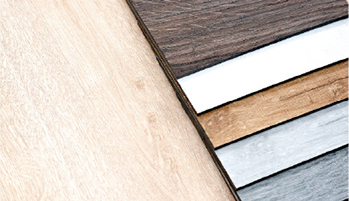
Timber panels are valued not only for their appearance but also for their versatility. They come in various finishes and styles, allowing homeowners to tailor their choices according to their aesthetic preferences.
Wood paneling provides a natural warmth that few other materials can match. It complements a wide range of design themes, whether you prefer a rustic, farmhouse look or a sleek, modern aesthetic. Additionally, timber panels can be painted, stained, or left untreated, depending on your desired style.
Sustainability and Environmental Benefits of Timber Panels
Timber panels offer environmental advantages, making them an eco-friendly option. Sourced from sustainably managed forests, timber panels support the use of renewable resources. Many manufacturers also prioritize responsible forestry practices, ensuring that timber harvesting doesn’t negatively impact the environment.
Moreover, wood panels have a lower carbon footprint than many alternative materials, such as plastics or metals. Timber acts as a natural carbon sink, helping to reduce the overall carbon emissions associated with building materials. For environmentally conscious homeowners, choosing timber paneling is a step toward sustainability.
Timber Panels: Versatile Design Choices
When it comes to design options, timber panels are highly flexible. There are multiple choices for wood types, such as oak, pine, and cedar, each offering its unique texture and color. This allows for creativity in integrating panels into various rooms, including living areas, bedrooms, kitchens, and offices.
Wood panels can be installed vertically or horizontally, depending on the design aesthetic you want to achieve. Some homeowners even opt for diagonal or herringbone patterns to create a more dynamic visual effect.
Whether you are aiming for a minimalist modern look or a cozy cabin-style interior, timber panels can adapt to your design vision.
Types of Timber Panels and Their Uses
Solid Wood Panels
Solid wood panels are the most traditional form of timber paneling. These panels are made from a single piece of wood, giving them a strong and authentic appearance. Solid wood is known for its durability and long-lasting quality, making it ideal for areas with high foot traffic or where the panel will be exposed to wear and tear.
These panels are often chosen for their classic beauty, offering rich textures and deep grain patterns. Solid wood panels are an excellent option for homeowners looking for a timeless, durable material.
Engineered Wood Panels
Engineered wood panels are a popular alternative to solid wood. These panels consist of layers of wood or wood products, bonded together to form a sturdy composite. They are designed to mimic the appearance of solid wood while offering added stability and resistance to warping or cracking.
Engineered wood panels are often used in areas where high humidity or temperature fluctuations are a concern, such as kitchens or bathrooms. They provide the aesthetic appeal of timber while ensuring long-term performance in challenging environments.
Plywood Panels
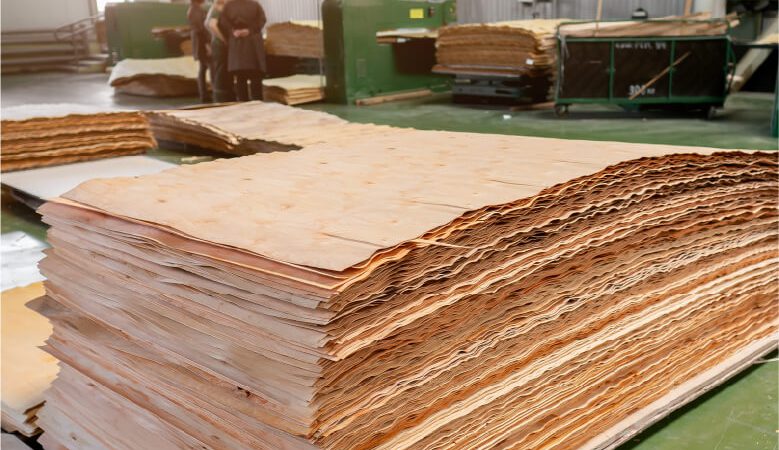
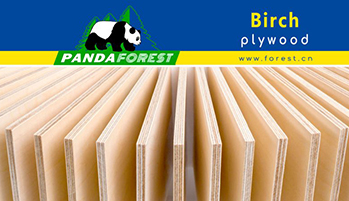
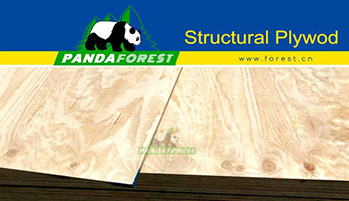
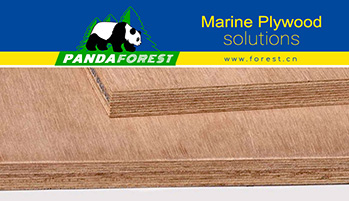
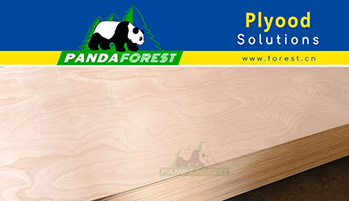
Plywood is another commonly used timber panel. It is made by gluing together thin layers of wood veneer. Plywood panels are lightweight yet strong, making them suitable for a variety of applications. They are often used for wall paneling, cabinetry, and furniture.
Plywood panels can be stained or painted to match the rest of your interior, and they offer a budget-friendly option without sacrificing quality.
Decorative Wood Paneling for Interiors
Decorative wood paneling is a growing trend in interior design. These panels are often used as accent walls, adding texture and character to otherwise plain surfaces. They can be made from reclaimed wood or specially treated timber to create unique visual effects.
For homeowners looking to add a personal touch to their living spaces, decorative wood paneling is an excellent choice. It brings a rustic, earthy feel into the room while providing endless design possibilities.

Installation Techniques for Timber Panel
How to Prepare Your Walls for Timber Paneling
Before installing timber panels, it is important to prepare your walls properly. The surface must be clean, dry, and free from any loose paint or debris. If your walls are uneven, you may need to install a framework to support the panels. This will ensure that the panels sit flush against the wall for a smooth finish.
Measuring your walls accurately is crucial before cutting the panels. You’ll want to measure the height and width of each wall to determine how many panels you’ll need. Always leave room for slight variations, especially in older homes where walls may not be perfectly straight.
Attaching Timber Panels to Walls
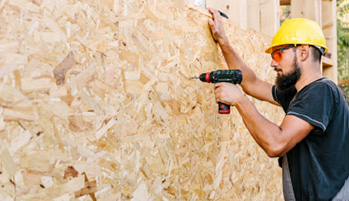
Once your walls are ready, it’s time to install the timber panels. Depending on the type of wood paneling you choose, you may use nails, screws, or adhesives to attach the panels. Some panels come with interlocking grooves, making installation easier and ensuring a seamless fit between each panel.
For solid wood panels, nails are typically used to secure the panels in place. Plywood and engineered wood panels may be attached using construction adhesives or screws. Be sure to follow the manufacturer’s instructions for the best results.
After installation, you can finish the panels with paint, stain, or a protective sealant, depending on your desired look.
Maintaining and Caring for Timber Panels
Cleaning and Preserving Your Timber Panels
To keep your timber panels looking their best, regular cleaning and maintenance are essential. Dust the panels with a soft cloth or vacuum them with a brush attachment to remove surface dirt. For deeper cleaning, use a mild detergent and water. Avoid using harsh chemicals that could damage the wood’s finish.
If your panels are stained or painted, you may need to reapply the finish periodically to maintain their appearance. Wood paneling can also be treated with protective oils or waxes to prevent moisture damage and keep the wood looking fresh.
Preventing Damage to Your Timber Panels
Timber panels are generally durable, but they can be susceptible to scratches, dents, and other forms of damage. To prevent this, avoid placing heavy furniture directly against the panels. Use protective pads on furniture legs to reduce the risk of scratching the wood.
In high-traffic areas, you might want to apply a clear protective coating to your panels to prevent wear and tear. This will also help protect the wood from moisture, particularly in areas like kitchens or bathrooms where humidity levels are higher.
Timber Paneling in Different Rooms
Timber Panels in Living Spaces
Timber panels add warmth and sophistication to living rooms, making them a popular choice for accent walls. They bring a natural, earthy feel to any room, creating a cozy environment. Whether you prefer light-colored wood or darker tones, timber paneling complements various design themes.
One of the most appealing aspects of using timber panels in living spaces is their ability to balance both modern and rustic styles. In contemporary settings, sleek, polished wood panels provide a minimalist look, while textured or reclaimed timber brings character to a more traditional room.
Timber Panels in Bedrooms
For bedrooms, timber panels are often used to create a calming, serene atmosphere. Wall panels behind the bed serve as a focal point, adding depth and texture to the room. You can choose from a variety of timber finishes, depending on whether you want a natural, unfinished look or a more polished, stained appearance.
Wood paneling in bedrooms also improves insulation, helping to maintain a comfortable temperature. In addition, the sound-dampening properties of wood create a peaceful environment, making it an ideal material for restful spaces.
Timber Panels in Kitchens and Bathrooms
Timber paneling in kitchens and bathrooms can be a bit more challenging due to moisture concerns, but with proper treatment and care, it’s entirely feasible. Engineered wood and plywood panels are commonly used in these areas because they are more resistant to moisture than solid wood.
In kitchens, timber paneling can be used to create a farmhouse or rustic look. It pairs beautifully with modern appliances, providing a charming contrast. In bathrooms, timber panels can be applied to the walls and ceilings, offering a spa-like feel. To ensure longevity, these panels should be sealed with a waterproof finish to protect against moisture damage.
Timber Paneling as an Exterior Feature
Using Timber Panels on Exterior Walls
Timber panels are not only for interiors—they can also be used on exterior walls to enhance curb appeal. The natural look of wood blends well with surrounding landscapes, offering a seamless transition between a home’s exterior and its environment. Timber paneling on the outside of a house can create a warm, inviting look that sets it apart from other homes in the neighborhood.
When choosing timber panels for exterior use, it’s essential to select types of wood that are durable and resistant to the elements. Cedar and redwood are popular choices for outdoor wood paneling due to their natural resistance to rot and pests.
Maintaining Exterior Timber Panels
Exterior timber panels require more maintenance than interior panels due to their exposure to weather conditions. To keep them looking their best, it’s important to apply protective coatings, such as sealants or varnishes, that protect against UV rays, rain, and humidity. Regular inspection for signs of wear or damage, like cracking or warping, will help prolong the lifespan of the wood panels.
In addition, periodic cleaning with a mild detergent and water can prevent dirt and grime buildup. For homes in areas with harsh weather conditions, reapplying a weatherproof finish every few years is recommended.
Timber Panels for Commercial Spaces
Timber Paneling in Office Settings
Timber panels are not limited to residential use. Many businesses are incorporating wood paneling into their office designs to create warm and inviting work environments. The natural look of timber helps reduce stress and increase productivity by fostering a connection to nature, a concept known as biophilic design.
In open office settings, wood paneling can be used to define spaces or create privacy without the need for full walls. Timber panels are also excellent for soundproofing, making them an ideal choice for conference rooms or meeting areas where noise reduction is important.
Timber Panels in Retail and Hospitality
In retail and hospitality environments, timber paneling adds a touch of luxury and sophistication. Whether used in restaurants, hotels, or boutique shops, wood panels create a welcoming atmosphere that customers appreciate. Timber paneling can also be a key design feature in creating brand identity, as it reflects a commitment to natural, high-quality materials.
For businesses that want to stand out, using timber panels creatively—whether as accent walls, ceilings, or even furniture—is an excellent way to leave a lasting impression on customers.
Timber Panels and Acoustic Solutions
Soundproofing with Timber Panels
Timber panels are not only an aesthetic choice but also serve practical purposes, such as soundproofing. Wood naturally absorbs sound, making it an ideal material for rooms where noise reduction is important, such as home theaters, music studios, or offices.
Acoustic timber panels can be installed in walls and ceilings to reduce echo and noise transmission. These panels are often designed with grooves or perforations to enhance their sound-dampening properties. By adding these acoustic solutions, you can create a quieter, more comfortable environment.
Timber Panels for Home Theaters
For home theaters, timber panels are a popular choice for improving sound quality. The panels help to control sound reflections, allowing for clearer audio and better acoustics. In addition, the warm tones of timber complement the cozy, intimate atmosphere that many people desire in a home theater.
Timber Paneling Trends
Reclaimed Timber Panels
Reclaimed wood paneling has gained popularity in recent years as part of the growing interest in sustainable design. Reclaimed timber comes from old buildings, barns, or even boats, and is repurposed into wood paneling for modern interiors.
Using reclaimed timber panels not only gives your home a unique, vintage look but also reduces the demand for new timber. Each piece of reclaimed wood has its own story, with marks and textures that add character and depth to your space.
Painted Timber Panels
While the natural beauty of timber is undeniable, painted wood panels are also becoming a trendy option. By painting timber panels, homeowners can customize their interiors to match any color scheme. From neutral tones to bold, vibrant hues, painted timber panels offer endless possibilities for creative expression.
Painted wood paneling can be used in bedrooms, living rooms, or even kitchens to add a pop of color while still retaining the warmth and texture of wood.

Timber Panels FAQs
Q: What is the difference between timber panels and plywood?
A: Timber panels are solid wood or wood composites used for interior and exterior applications. Plywood is a type of engineered wood panel made from layers of wood veneer glued together, offering strength and stability.
Q: How do I maintain timber panels in humid areas like kitchens and bathrooms?
A: In humid areas, it’s important to seal timber panels with a waterproof finish to prevent moisture damage. Regular cleaning and maintenance will also help extend the lifespan of the panels.
Q: Can timber panels be used for soundproofing?
A: Yes, timber panels are excellent for soundproofing due to wood's natural sound-absorbing properties. Acoustic timber panels can further enhance soundproofing in home theaters or offices.
Q: Are timber panels environmentally friendly?
A: Timber panels can be an eco-friendly choice when sourced from sustainably managed forests. Wood is a renewable resource, and modern manufacturing techniques reduce waste.
Q: Can I install timber panels myself, or do I need a professional?
A: While timber panel installation can be a DIY project, it’s recommended to hire a professional for larger or more complex installations to ensure proper fit and finish.
Timber panels offer a versatile and eco-friendly solution for both interior and exterior design. Whether you are looking to enhance your living room, bedroom, or commercial space, timber paneling provides aesthetic appeal, practical benefits, and sustainability. With proper maintenance, these panels can last for years while adding natural beauty and character to any environment.