


Thin Plywood Sheet: A Versatile Solution for Construction and Design
What is Thin Plywood Sheet?
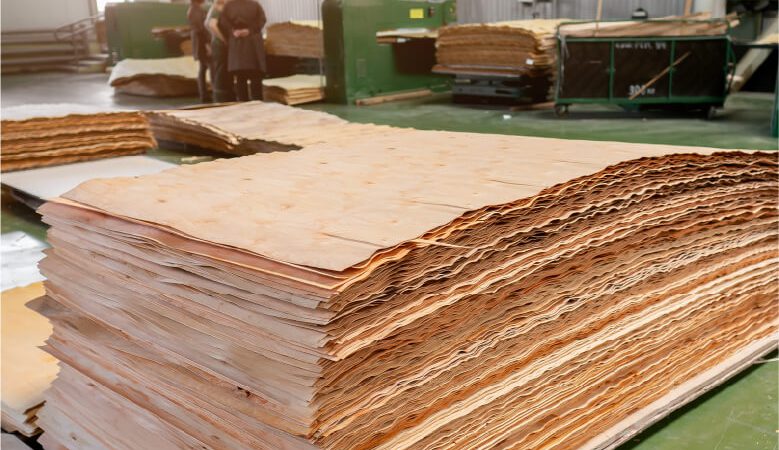
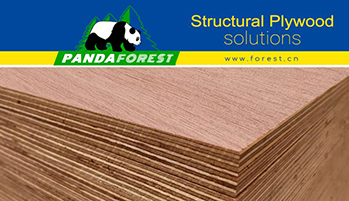
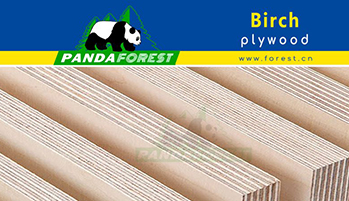
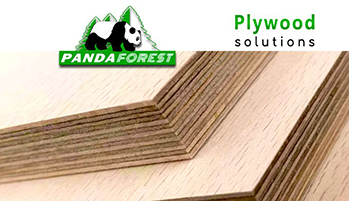
A thin plywood sheet is a multi-layered wood-based material, known for its strength, flexibility, and cost-effectiveness. It is created by layering thin wood veneers and bonding them together with adhesive, with each veneer placed at right angles to its neighbor. This cross-lamination process gives plywood its renowned strength and stability. Thin plywood sheets are available in various thicknesses and sizes, the most common being plywood 4x8, which refers to a sheet measuring 4 feet by 8 feet (1220 mm x 2440 mm).

While thin plywood is lightweight, it remains sturdy enough for a wide range of uses, including furniture making, cabinetry, Wall Paneling, and DIY crafts. Its versatility makes it an ideal choice for both professional contractors and hobbyists alike. Beyond its structural properties, thin plywood is also valued for its aesthetic qualities, as it can be stained, painted, or left unfinished to display the natural grain of the wood.
In comparison to solid wood, thin plywood sheet offers a more affordable option without compromising on strength or durability. Furthermore, its light weight makes it easier to transport and work with, reducing labor costs in construction projects. Whether used in home renovations, interior design, or large-scale construction, plywood sheets are a go-to material in many industries. As demand for sustainable materials increases, thin plywood sheets also stand out due to the responsible sourcing of the wood used in their production.
The Many Uses of Thin Plywood Sheets
Thin plywood sheets are known for their adaptability, making them a popular choice for a variety of applications in both residential and commercial settings. From small-scale projects to large construction works, thin plywood is an essential material.
Thin Plywood Sheet in Furniture Making
Thin plywood sheet is widely used in furniture manufacturing due to its light weight, strength, and ability to be cut and shaped easily. Many types of furniture, such as bookshelves, cabinets, and tables, use plywood sheets as the core structural component.
- Advantages for Furniture Makers One of the biggest advantages of thin plywood sheet is its flexibility in design. It can be bent and molded into different shapes, allowing furniture makers to create unique and customized pieces. Additionally, plywood sheets are compatible with a variety of finishes, including veneer, laminate, and paint, making them an ideal choice for achieving both modern and traditional styles.
Plywood 4x8 in Home Renovation Projects
Plywood 4x8 sheets are commonly used in home renovations, particularly in wall paneling, flooring, and ceiling applications. Their large size and strength make them perfect for covering large areas quickly while providing a smooth and consistent surface.
- Cost-Effective Solution for Renovators For homeowners and contractors looking to keep renovation costs low, plywood 4x8 sheets are an economical choice. Plywood prices are generally lower than solid wood or other materials, making it an affordable option for budget-conscious projects. Moreover, plywood’s durability ensures that it will withstand wear and tear, making it a long-term investment.
Plywood Sheets in Construction
Plywood sheets are a fundamental material in the construction industry, used for a wide range of structural purposes. Thin plywood sheets are particularly useful for non-load-bearing applications, such as interior walls, partitions, and ceilings.
- Strength and Stability in Structural Use Although thin, these plywood sheets are strong enough to provide stability in construction projects. They are often used as subfloors, sheathing, and underlayment. Additionally, because they come in various thicknesses, thin plywood sheets can be tailored to the specific needs of each project.
Plywood Prices and Availability
Plywood prices fluctuate based on several factors, including the type of wood used, thickness, and market demand. Common sizes, such as plywood 4x8 or 8x4 Plywood, tend to be more readily available and competitively priced due to high demand.
- Factors Influencing Plywood Prices The price of plywood is often influenced by the wood species, with premium woods like birch or oak commanding higher prices. Additionally, plywood that is treated for outdoor use, such as marine plywood, is more expensive due to its water-resistant properties. Plywood prices also vary by region, with transportation costs and local demand playing a significant role.

Thin Plywood Sheet and Environmental Considerations
As sustainability becomes a focus in construction and design, thin plywood sheets are gaining attention for their eco-friendly benefits. Plywood is made from natural wood, which is a renewable resource when harvested responsibly. Many plywood sheets today are certified by organizations such as the Forest Stewardship Council (FSC), ensuring that the wood used comes from sustainably managed forests.
Sustainable Sourcing of Plywood Sheets
Sustainable plywood sheets are made from wood that is harvested in a way that minimizes environmental impact. This process includes replanting trees, maintaining biodiversity, and protecting wildlife habitats. As consumers become more eco-conscious, there is a growing demand for environmentally friendly building materials like thin plywood sheets.
- Recycled and Reclaimed Plywood In addition to sustainably sourced plywood, some manufacturers offer recycled or reclaimed plywood. This type of plywood is made from post-consumer waste wood or reclaimed wood from older buildings. Using recycled materials helps reduce the amount of waste sent to landfills and conserves natural resources.
Plywood in Green Building
Thin plywood sheets are a crucial component of green building practices. Their lightweight nature reduces transportation costs, and they can be used in energy-efficient designs to improve insulation. In some cases, plywood sheets are combined with other eco-friendly materials, such as recycled insulation, to create sustainable building systems.
- Energy Efficiency and Insulation Plywood is an excellent insulator, especially when used in combination with other materials. Thin plywood sheets can help improve the energy efficiency of a home by acting as an insulating barrier that prevents heat loss in the winter and keeps the interior cool in the summer. By incorporating plywood sheets into construction, builders can contribute to lower energy consumption and reduced carbon footprints.
Types of Thin Plywood Sheets
There are several types of thin plywood sheets available on the market, each suited for different applications. The choice of plywood depends on factors such as thickness, strength, and resistance to moisture.
Hardwood Plywood Sheets
Hardwood plywood sheets are made from veneers of hardwood species such as birch, oak, and maple. These sheets are known for their strength, durability, and smooth finish. Hardwood plywood is often used in high-end furniture and cabinetry, where a premium look and feel are desired.
- Advantages of Hardwood Plywood The natural beauty of hardwood plywood makes it ideal for applications where aesthetics are important. Additionally, hardwood plywood is resistant to warping and can withstand heavy use, making it a durable option for projects that require strength and longevity.
Softwood Plywood Sheets
Softwood plywood sheets are made from species like pine, fir, and cedar. These sheets are lighter and less expensive than hardwood plywood, making them a popular choice for construction and DIY projects.
- Common Uses for Softwood Plywood Softwood plywood is often used in construction for subflooring, wall sheathing, and roofing. Its affordability and availability in large sizes, such as plywood 4x8, make it an excellent option for covering large areas quickly and efficiently.
Marine Plywood Sheets
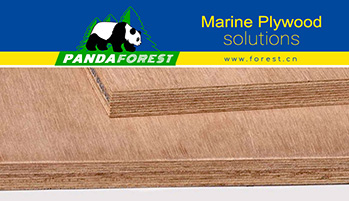
Marine plywood is specifically designed to withstand moisture and is often used in boat building, outdoor furniture, and other applications exposed to water. It is made using waterproof adhesives and high-quality wood veneers, ensuring that the sheet remains strong and resistant to rot even in wet conditions.
- Benefits of Marine Plywood The primary benefit of marine plywood is its water resistance. While it is more expensive than other types of plywood, its durability and longevity in harsh environments make it a worthwhile investment for outdoor projects.
Plywood Sheet Grades and Quality
When selecting a thin plywood sheet, it's important to understand the different grades available. Plywood sheets are classified based on the quality of the veneers used for the face and back surfaces. These grades help determine the best use for each type of plywood, depending on whether appearance or structural integrity is a priority.
Plywood Grades Explained
Plywood sheets are graded from A to D, with A being the highest quality and D the lowest. These grades are typically combined to describe the quality of both sides of a plywood sheet (for example, A-C plywood means one side is A-grade and the other is C-grade).
A-Grade Plywood Sheets A-grade plywood has a smooth surface, free from knots and imperfections. It is often used for cabinetry and furniture where appearance is important. A-grade plywood can be easily sanded and finished to create a polished, high-quality look.
B-Grade Plywood Sheets B-grade plywood may have minor imperfections, such as small knots or patches, but it still offers a relatively smooth surface. This grade is commonly used in projects where the sheet will be visible, but minor blemishes are acceptable.
C-Grade Plywood Sheets C-grade plywood has more noticeable defects, including larger knots and voids. It is typically used in construction for structural applications, where appearance is not a primary concern. This type of plywood is often hidden under other materials, such as flooring or roofing.
D-Grade Plywood Sheets D-grade plywood is the lowest quality, with visible defects like large knots, rough surfaces, and cracks. It is used for non-structural purposes, such as temporary barriers or forms in concrete work. While it may not be aesthetically pleasing, it is still functional for specific applications.
Choosing the Right Plywood Sheet for Your Project
When choosing a thin plywood sheet, consider the project’s requirements and the grade of plywood that best suits your needs. If you are working on a project where the plywood will be visible, such as furniture or interior wall paneling, an A- or B-grade plywood sheet is ideal. For structural uses, a C- or D-grade sheet may be sufficient, especially if the plywood will be covered by other materials.
Working with Thin Plywood Sheets: Tips and Techniques
Working with thin plywood sheets requires a few specialized techniques to ensure a smooth and precise finish. Whether you're a seasoned professional or a DIY enthusiast, the following tips will help you get the most out of your plywood sheets.
Cutting and Shaping Plywood Sheets
One of the benefits of plywood sheets, especially thin ones, is their ease of cutting and shaping. However, it’s important to use the right tools and techniques to avoid splintering or damaging the sheet.
Using a Circular Saw for Straight Cuts When making straight cuts, a circular saw with a fine-tooth blade is the best tool for the job. The fine teeth help minimize splintering, especially when cutting across the grain. To ensure a clean cut, always use a guide to keep the saw straight and steady.
Jigsaws for Curved Cuts For curved cuts or intricate designs, a jigsaw is the best option. However, due to the nature of thin plywood, it is important to use a blade specifically designed for fine cuts. To reduce the risk of splintering, cut slowly and use painter’s tape along the cut line to hold the veneer in place.
Sanding and Finishing Plywood
After cutting, plywood sheets should be sanded to create a smooth surface. Thin plywood sheets may have delicate veneers, so it's crucial to use fine-grit sandpaper to avoid sanding through the top layer.
- Staining and Painting Plywood Plywood can be stained or painted to achieve the desired look. Before applying a finish, it’s important to seal the surface with a primer or sanding sealer to prevent the wood from absorbing too much stain or paint. For a high-end finish, consider using wood veneer or laminate on top of the plywood sheet.
Joining Plywood Sheets
Joining plywood sheets can be tricky due to their thinness. Traditional nails or screws may split the wood, so it's recommended to use adhesives and clamps for a strong bond. If mechanical fasteners are needed, pre-drilling small pilot holes can help prevent splitting.
Thin Plywood Sheets in DIY Projects
Thin plywood sheets are popular among DIY enthusiasts for their versatility and affordability. Whether you’re building a simple piece of furniture or undertaking a larger home improvement project, thin plywood is a reliable material.
Craft Projects Using Thin Plywood
Thin plywood is ideal for a variety of craft projects, from small decorative items to intricate models. Its lightweight nature makes it easy to handle, and it can be cut into precise shapes with minimal tools.
Picture Frames and Wall Art Thin plywood sheets can be used to create custom picture frames or decorative wall art. The plywood can be stained or painted to match any interior style, and its smooth surface allows for easy application of embellishments or decals.
Storage Solutions Plywood sheet are often used to build storage solutions, such as shelving units, storage boxes, and drawer organizers. Their strength and durability make them a practical choice for holding heavier items, while their smooth finish ensures a polished look.
Home Improvement Projects
For homeowners looking to update their space on a budget, thin plywood sheets offer a range of possibilities. From wall paneling to custom cabinetry, plywood can transform a room without breaking the bank.
- DIY Plywood Wall Paneling Installing plywood wall paneling is a simple way to add texture and warmth to a room. Thin plywood sheets can be cut to fit any space, and they can be stained or painted to match the desired aesthetic. This is a cost-effective alternative to traditional wood paneling, offering the same visual impact at a fraction of the cost.
Plywood Price: What to Expect
Plywood prices can vary significantly depending on the type of wood, thickness, and quality. When planning a project, it's important to consider these factors to ensure you get the best value for your money.
Factors That Influence Plywood Prices
Several factors can affect the price of plywood, including the species of wood, the grade of the sheet, and the thickness. Higher-grade plywood made from premium wood species, such as oak or birch, will generally be more expensive than lower-grade sheets made from softwoods like pine.
Thickness and Size Thicker plywood sheets typically cost more than thinner ones due to the increased amount of material used. Similarly, larger sheets, such as plywood 4x8, will have a higher price than smaller sheets, like 2x4 or 2x8.
Market Demand Plywood prices can fluctuate based on market demand. During times of high construction activity or material shortages, prices may rise. Conversely, during periods of low demand, prices may drop.
Finding Affordable Plywood
To find the best plywood prices, it's important to shop around and compare prices from different suppliers. Bulk purchases often come with discounts, making it more cost-effective for large projects. Additionally, consider purchasing plywood from local suppliers to save on transportation costs.

FAQs (Frequently Asked Questions)
Q: What is thin plywood sheet used for?
A: Thin plywood sheet is used in a variety of applications, including furniture making, cabinetry, wall paneling, and DIY projects. It offers strength, flexibility, and affordability, making it a versatile material for both professional and hobbyist use.
Q: What sizes do plywood sheets come in?
A: The most common size for plywood sheets is 4x8 feet (1220 mm x 2440 mm), but other sizes, such as 2x4 and 4x4 feet, are also available. Thin plywood sheets come in various thicknesses, ranging from 1/8 inch to 3/4 inch.
Q: How is plywood different from solid wood?
A: Plywood is made by layering thin sheets of wood veneer, while solid wood is a single piece of lumber. Plywood offers greater stability and resistance to warping, while solid wood may be more prone to cracking and splitting.
Q: Can plywood be used for outdoor projects?
A: Yes, certain types of plywood, such as marine plywood, are designed for outdoor use. These sheets are treated with waterproof adhesives to withstand moisture and prevent rot.
Q: How do I choose the right plywood for my project?
A: Consider the project’s requirements, such as strength, appearance, and moisture resistance. For visible applications like furniture or wall paneling, A- or B-grade plywood is best. For structural use, C- or D-grade plywood may be sufficient.
Thin plywood sheet offers a practical, cost-effective solution for a wide range of applications, from construction to DIY projects. Its flexibility, strength, and affordability make it an essential material in modern design and building projects.