



Plywood Sheets 4x8 for Building
What Is Plywood Sheets 4x8?
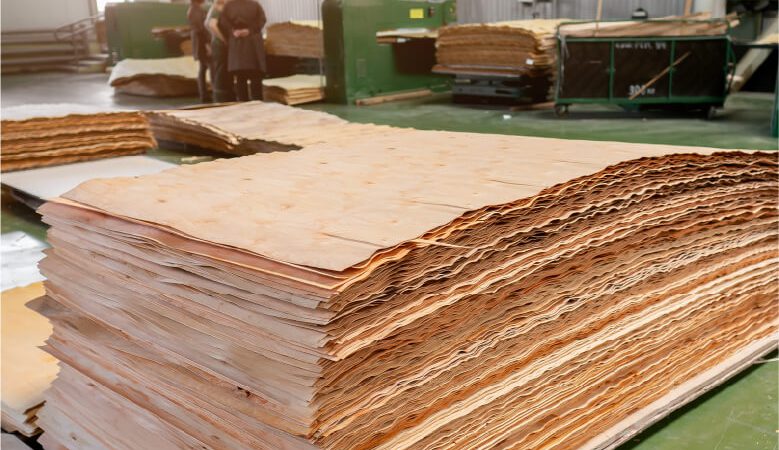
Plywood sheets 4x8 refer to panels created from thin wood veneers. Each layer faces alternating grain directions. This design boosts strength and stability. Manufacturers press and bond veneers under heat and pressure. The 4x8 dimension is standard for construction. It offers broad coverage for walls, floors, and various surfaces. These sheets often feature uniform thickness, which simplifies installation. Users turn to this size for reliable support in both residential and commercial settings. Many people consider it a flexible solution for renovations. From small furniture projects to significant structural frameworks, these panels help save effort. They offer predictable performance and consistent quality. Some builders compare different grades before selecting the right product. In many regions, plywood sheets 4x8 dominate hardware stores. Buyers can choose from multiple types, including marine plywood and hardwood plywood, to match specific needs. This format remains central to varied building tasks. It balances convenience with affordability and works well for a spectrum of applications.

The Core Strength of Plywood Sheets 4x8
Plywood’s core strength emerges from layered veneers. Each layer’s grain aligns perpendicularly to its neighbor. This layout reduces splits and ensures stability. The 4x8 format supplies ample coverage for large spaces. Many contractors favor it for subfloors and ceilings. The durability factor stems from quality adhesives. Properly bonded sheets rarely warp or crack. When people discuss plywood thickness, they focus on uniform density. This consistency affects load-bearing capacity. Plywood sheets 4x8 often undergo rigorous testing. Manufacturers ensure their products withstand pressure and shifting temperatures. The layered structure helps distribute weight. Even in humid conditions, well-sealed plywood remains sturdy. Such resilience encourages its widespread use.
Choosing the Right Grade
Different grades reflect veneer quality and finishing. Higher grades present smoother surfaces. Lower grades may show slight blemishes or knots. However, both can excel in the proper setting. For example, furniture plywood might need a polished face. This ensures an attractive finish without extra layers. Meanwhile, rougher variants suit interior frameworks and hidden supports. Builders compare grades to manage plywood cost. Higher-end products demand more capital. Yet they also offer lasting value. In contrast, economical sheets fulfill quick fixes. Many buyers weigh these options carefully. They seek a balance between aesthetics and durability. Well-informed decisions help avoid overspending or subpar results.
Moisture and Marine Plywood Considerations
Moisture can degrade standard wood products. That’s why marine plywood enters the scene. It features special adhesive resistant to water damage. Frequent use in docks or boat surfaces reveals its reliability. People also choose it for bathrooms or exterior walls. The 4x8 dimension remains common in these specialized sheets. Even with costlier manufacturing, it stays popular for damp settings. Contractors appreciate consistent thickness and reduced swelling. Careful finishing prevents mold infiltration. However, marine plywood isn’t essential for every job. For dry, interior tasks, typical plywood works fine. Yet, professionals highlight its protective edge in high-humidity zones. When safety or structural integrity is paramount, marine types shine.
Handling and Plywood Cutting Tips
Efficient plywood cutting makes assembly smoother. Many opt for table saws or circular saws with carbide blades. Proper support under the sheet reduces splintering. Mark the cut line with precision to avoid waste. Some prefer a guide track for clean edges. Protective gear also matters. Sawdust can irritate eyes and lungs. Skilled craftsmen reduce tear-out by taping the surface. This keeps veneer layers intact. Long 4x8 panels may need two people to maneuver. Safe handling prevents drop damage. Slow, steady cuts maintain accuracy. In certain projects, smaller plywood sections enhance manageability. Efficient cutting lowers leftover scraps. That leads to a more economical workflow.

Practical Applications of Plywood Sheets 4x8
Users apply plywood sheets 4x8 in diverse ways. Subflooring is a classic example. Its uniform surface supports carpets, tiles, or other finishes. Furniture makers also rely on consistent panels for frames. Cabinets benefit from the structural reliability. Then there’s roofing. These sheets often secure shingles and insulation. Large dimension boards reduce installation time. Fewer seams mean less chance of leaks. Some enthusiasts craft entire interior walls with this product. The result can be a rustic, modern look. Projects that demand plywood thickness vary widely. Thicker panels handle more stress. Thinner sheets work for decorative elements. Meanwhile, hardwood plywood might appear in high-end furniture. Its polished veneer elevates aesthetics. Each variation answers specific demands.
Balancing Plywood Cost and Quality
Project budgeting involves considering plywood cost. Prices range depending on wood species and grade. Thicker boards typically cost more. Yet, they can save money long-term by avoiding replacements. Hardwoods fetch premium prices, reflecting their refined appearance. Softwoods remain more affordable. Some tradespeople track local sales to find good deals. Bulk purchasing can reduce the average price per sheet. Still, quality should never be compromised for savings. Inconsistent plywood can warp over time. Cracks or weak adhesive layers undermine stability. Selecting mid-range grades often meets most demands. For high-traffic areas, investing in tougher sheets might be wise. Deciding on cost starts with identifying a project’s core needs.
Environmental Factors and Sustainability
People today value eco-friendly construction. Plywood production uses fewer logs than solid wood boards. Veneers maximize each trunk’s utility. Reputable brands adopt responsible forestry practices. They try to minimize environmental harm. Some suppliers carry certifications like FSC (Forest Stewardship Council). These labels reassure buyers about ethical sourcing. Additionally, glues have become less toxic. Modern adhesives reduce harmful emissions. Many see plywood sheets 4x8 as a greener alternative to some composites. Recycling options also exist for reclaimed panels. Builders sometimes reuse offcuts for shelving or small repairs. Consumers appreciate this cycle of resourcefulness. By selecting ethical products, they align with a sustainable approach.
Safety and Maintenance Tips
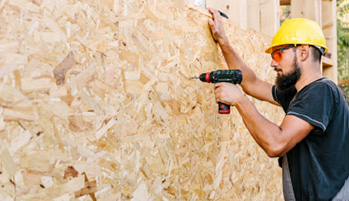
Proper installation keeps buildings secure. Screwing panels firmly to joists prevents squeaking floors. Sealing edges guards against moisture intrusion. A simple coat of sealant can extend a panel’s lifespan. Users occasionally overlook routine inspections. Checking fasteners ensures no loosened screws. Cleaning surfaces also helps preserve the finish. Chemicals or harsh solvents can damage veneers. Mild cleaning solutions maintain the panel’s appearance. For hardwood plywood, owners might polish the outer veneer. This step preserves sheen and color. Avoid placing extremely heavy loads near edges without reinforcement. The 4x8 dimension is strong but not indestructible. Routine maintenance wards off expensive repairs. Simple attention goes a long way.
Differences Among Plywood Types
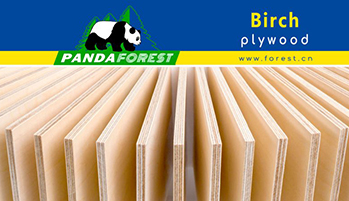
Marine plywood resists water. Hardwood plywood features more robust face layers. Softwood variants remain light and affordable. Each type corresponds to a building scenario. Some owners enjoy the refined look of hardwood sheets. Others prefer marine versions for peace of mind in humid zones. Meanwhile, standard plywood still handles most indoor tasks. Furniture plywood might carry decorative veneers for an upscale vibe. Every type adheres to the 4x8 dimension for simplicity. Even thickness can vary, suiting structural or aesthetic requirements. This variety empowers consumers. Projects become custom-tailored without unnecessary compromises. Ultimately, the right choice depends on conditions and personal preference.
Comparing Plywood to Other Materials
Builders often weigh plywood against alternatives. OSB (Oriented Strand Board) competes in similar spaces. OSB can be cheaper but might lack some smoothness. Solid wood boards offer traditional appeal. Yet they cost more and can twist if not dried correctly. Plastics or composites excel in weatherproof qualities. However, they may lack the natural warmth of plywood. Steel or aluminum are sometimes used for special frameworks. But they can be heavier and pricier. In the end, plywood sheets 4x8 blend affordability, ease of use, and decent appearance. That versatile mix keeps them in high demand. When balanced with needs, plywood remains an excellent contender. This synergy is tough to beat.
The Future of Plywood Innovations
Researchers constantly refine plywood production. New adhesives promise fewer emissions and stronger bonds. Some manufacturers aim for zero-waste processes. They repurpose offcuts into composite products. These advances align with worldwide sustainability goals. Even hardwood plywood producers explore greener resins. Emerging technology may reduce drying times. Faster methods boost efficiency while lowering plywood cost. Engineers also pursue fire-retardant formulas. Such treatments enhance safety in public structures. Automated cutting stations trim sheets with laser accuracy. This precision reduces human error. It also maximizes resource usage. Some see 3D printing integrated into veneer layers. That could reshape furniture plywood styles. The next decade looks promising for expanded applications. Innovations will likely improve quality and reduce environmental impact.
Common Mistakes to Avoid
Many buyers rush purchases without checking grades. That can lead to inconsistent finishing. Overestimating plywood thickness also poses risks. Thicker boards may be heavier and unwieldy. Builders sometimes overlook the importance of moisture rating. Using standard sheets in wet zones spells trouble. Weak adhesives can promote delamination. Some individuals skip priming or sealing edges. This invites humidity into the core layers. Mishandling plywood cutting leads to wasted material. Splintered edges undermine structural integrity. Contractors should also confirm fastener compatibility. Incorrect screws cause cracks. Overloading unsupported sections creates sagging floors. These mistakes hurt budgets and timetables. A bit of planning prevents avoidable headaches.
Expert Tips for Seamless Installation
Professionals emphasize surface preparation. Clean, level bases ensure perfect sheet placement. Aligning edges reduces visible gaps. Use chalk lines to guide large cuts. This promotes consistent shapes. For marine plywood, apply marine-grade sealants on exposed edges. This minimizes water intrusion. Pre-drill holes to avoid splitting. Countersinking screws yields a flush finish. Builders often place panels perpendicular to joists. That arrangement amplifies load distribution. Spacing fasteners evenly improves stability. For decorative elements, test small patches of stain. Plywood can absorb finishes differently. Light sanding creates a uniform surface. Patience is vital when achieving polished results. Each step fosters longevity and precision.
Regional Variations in Plywood Supply
Different regions boast specific wood species. Tropical zones might yield exotic hardwood veneers. Cooler climates rely on conifers for softWood Panels. Local availability affectsplywood cost. Imported goods sometimes fetch higher prices. Buyers often compare domestic and foreign brands. Shipping expenses can inflate budgets. Construction codes also influence sheet types. Some areas have strict fire-resistance rules. Others require mildew-resistant materials in coastal settings. Climate impacts how plywood sheets 4x8 perform. High humidity might require marine or special sealants. In extremely dry places, shrinkage can be a concern. Knowledge of local conditions helps avoid product mismatch. Buyers stay informed to protect their investment.
Design Possibilities and Aesthetic Appeal
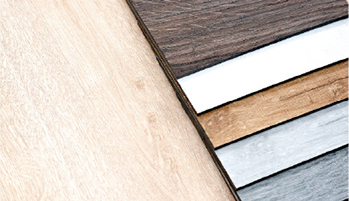
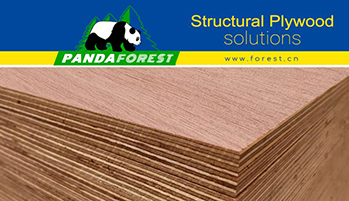
Not all sheets stay hidden behind paint or plaster. Many designers expose plywood sheets 4x8 for dramatic flair. The layered edges create a modern pattern. When accentuating these lines, light sanding refines the texture. Hardwood plywood with walnut or maple veneers appears luxurious. Such finishes suit high-end furniture. Architects sometimes use full sheets for sleek interior walls. Contrasting stains add depth to a room. Even in minimalist spaces, a natural wood accent stands out. Clever designers combine boards of varying plywood thickness. This technique adds a sculptural feel. Simple tasks like shelving or counters can look high-end with correct finishing. The possibilities broaden when matched with tasteful décor.
Handling Large Projects with Ease
Big builds require careful planning. Marking every beam and joint ensures smooth progress. Large volumes of plywood sheets 4x8 arrive on delivery trucks. Storing them properly is essential. Laying sheets flat prevents warping. Consistent site conditions matter, too. Extreme temperature fluctuations weaken adhesives. Large commercial ventures often need standardized sheets. This consistency simplifies assembly across multiple teams. Fasteners, adhesives, and sealants are purchased in bulk. Weather delays can complicate schedules. Skilled supervisors anticipate changes and adjust orders promptly. Coordinating heavy machinery for plywood cutting speeds up workflows. Big-scale tasks demand coherent communication. Well-managed projects see cost savings over time.
Real-Life Success Stories
Many stadiums feature plywood under flooring systems. It offers solid support for large crowds. Resorts near water use marine plywood for exterior decks. This choice helps them withstand wet climates. Furniture makers often cite the stability of hardwood plywood. Their pieces maintain elegance for years. Homeowners who install new subfloors praise the product’s straightforward handling. They enjoy fewer squeaks and even surfaces. Schools benefit from robust paneling in high-traffic areas. These spaces endure constant wear. In each case, plywood sheets 4x8 showcase resilience. Whether building a grand arena or a simple shelf, success stories abound. The material’s flexibility shapes countless achievements.
Repair and Replacement Insights
Over time, some areas may show wear. Minor surface scratches can be sanded smooth. A new coat of varnish restores the surface. For water damage, check if the core has delaminated. If so, replacement might be the only option. Quick fixes sometimes involve epoxy fillers. However, structural damage calls for thorough inspection. Plywood thickness consistency must remain intact. Subfloors require even support to prevent sagging. Catching issues early saves money in the long run. Professionals recommend routine checks every few years. In bathrooms, sealing edges prolongs panel life. For outside decks, consider a periodic waterproof coating. Proactive measures avoid larger repairs later.
Balancing Tradition and Technology
Plywood reflects both heritage and modern ingenuity. Traditional woodworking skills enhance final outcomes. Yet advanced machinery speeds up mass production. Some projects employ CNC routers for exact shaping. Others rely on hand-crafted touches for customization. Technological strides also bolster plywood cutting precision. Laser guiding reduces manual errors. Software can map out entire layouts. Old-school methods still find relevance for finishing details. Skilled artisans rely on decades of know-how. They can spot subtle defects and correct them. This blend of old and new fosters top-notch results. Plywood remains a testament to human adaptability. It embraces progress while honoring time-tested methods.
Why Plywood Sheets 4x8 Endure
The format remains popular for practical reasons. It fits standard building frameworks and reduces seams. Multiple plywood thickness options cater to diverse tasks. Enhanced adhesives bolster the panel’s overall strength. Pricing suits a wide audience. Bulk orders accommodate large enterprises. Marine plywood excels in wet areas, showcasing unmatched resilience. Meanwhile, furniture plywood addresses interior design demands. Builders appreciate uniform quality. They trust it to streamline their workflow. Durability across many environments cements its status. Homeowners and professionals trust the reliability. That trust spans generations of construction. Over time, technology upgrades have refined the product. Yet the core appeal remains intact.

Plywood Sheets 4x8 and Versatility
In summary, plywood sheets 4x8 embody balanced functionality. They combine broad coverage, consistent thickness, and commendable strength. Many industries rely on them for dependable performance. From marine plywood in moisture-prone areas to hardwood plywood for elegant designs, these panels adapt to countless scenarios. Skilled professionals employ careful plywood cutting methods to optimize results. Thoughtful selection can contain plywood cost while protecting long-term value. This material’s layered construction provides stability. Its variations deliver solutions for projects large and small. Across different regions, it remains a staple in architecture and decor. As technology evolves, so does the range of options. Yet the essential benefits endure. Builders treasure its versatility, engineers trust its strength, and homeowners appreciate its reliability.