


Plywood Board – A Reliable Building Material for Versatile Applications
What is Plywood Board?
Plywood Board is a widely used building material known for its strength, durability, and versatility. Made from thin layers of wood veneer glued together, it offers excellent structural stability and resistance to warping or cracking. This makes it an ideal choice for various applications, ranging from construction and furniture to DIY projects. With the increasing demand for sustainable and cost-effective materials, plywood sheets, ply wood, and plywood panels have become indispensable in modern construction.
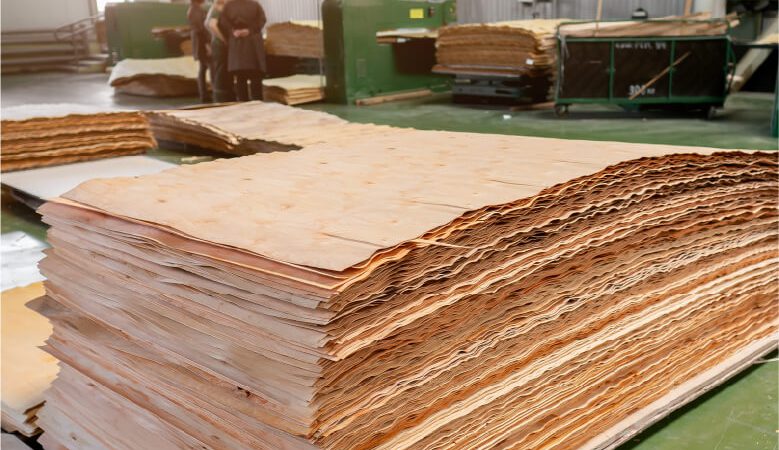
At its core, a plywood board is a type of engineered wood. Its construction involves layering thin sheets of wood veneer, also called plies, with each layer's grain running perpendicular to the next. This cross-graining technique enhances the board’s strength and reduces the likelihood of splitting when nailed at the edges. As a result, plywood boards have earned a reputation as a superior alternative to traditional solid wood, particularly when structural integrity is crucial.

In terms of size, plywood sheets are available in standard dimensions like 4x8 feet, though they come in various thicknesses to suit different project requirements. Whether you're crafting a sturdy subfloor, building cabinets, or creating decorative wall panels, plywood panels offer the flexibility and reliability you need. Ply wood sheets are commonly used in flooring, walls, roofs, and even concrete formwork. For both large-scale construction and smaller DIY tasks, plywood board provides a strong foundation.
The Growing Demand for Plywood Board in Modern Construction
The construction industry has seen a steady rise in the demand for plywood board due to its adaptability and cost-efficiency. One of the main reasons behind this surge is the material's ability to withstand various environmental conditions. Plywood sheets are known for their excellent resistance to moisture and extreme temperatures, which makes them ideal for both indoor and outdoor use. Additionally, advancements in plywood technology have led to the development of specialized plywood panels that meet specific building codes and standards.
Plywood Board and Sustainability
As sustainability becomes a key focus in modern construction, plywood board has gained attention as an eco-friendly material. Since it's made from renewable resources and produces less waste compared to solid wood, ply wood offers a sustainable alternative without sacrificing performance. Many manufacturers now offer plywood sheets that are certified by environmental organizations, ensuring they meet the highest standards of responsible sourcing. The use of plywood panels in green building projects helps reduce the environmental impact while maintaining the structural integrity of the project.
Plywood board's sustainable nature doesn't just come from the materials used. Its lightweight design also means that transportation and installation require less energy, further contributing to its eco-friendly status. Moreover, the manufacturing process for plywood produces fewer emissions compared to some other building materials. This combination of sustainability and performance is why plywood panels are increasingly being chosen for modern construction projects.
The Versatility of Plywood Panels in Home Improvement
In addition to large-scale construction projects, plywood sheets are a popular choice for home improvement. From flooring to cabinetry, ply wood can be used in various home applications due to its durability and ease of use. For example, plywood board is commonly used as a subfloor material because of its ability to provide a solid base for various types of flooring, including hardwood, tile, and carpet. Additionally, plywood sheets can be painted, stained, or laminated to create custom finishes for cabinets, shelves, and furniture pieces.
With its flexibility, plywood board is also frequently used in DIY projects. Many homeowners turn to plywood sheets when building custom furniture or renovating rooms, as the material is both affordable and easy to work with. Plywood panels can be cut, sanded, and shaped to fit specific designs, making them an excellent option for creative projects. Whether you’re building a bookshelf or a new dining table, ply wood offers the versatility needed to bring your ideas to life.
Types of Plywood Board: Which One is Right for Your Project?
There are several different types of plywood board, each designed to meet specific needs. When choosing the right plywood sheet for your project, it's important to consider the environment where it will be used, as well as the level of structural support required. Below are some of the most common types of plywood panels:
1. Softwood Plywood
Softwood plywood is typically made from pine, spruce, or fir and is primarily used in construction applications. These plywood sheets are ideal for projects where the material won’t be exposed to moisture, such as wall sheathing or roof decking. Softwood plywood is durable but not as resistant to the elements as other types of plywood panels.
2. Hardwood Plywood
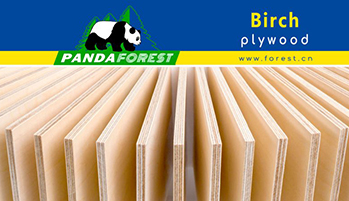
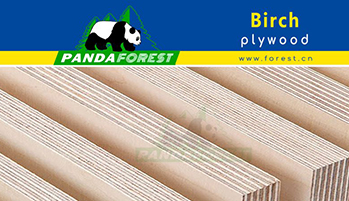
Hardwood plywood is made from wood species like birch, maple, or oak, making it stronger and more durable than softwood plywood. This type of ply wood is often used for furniture, cabinetry, and flooring, where both appearance and strength are essential. Hardwood plywood sheets can be finished with veneers or laminates for a polished look.
3. Marine Plywood
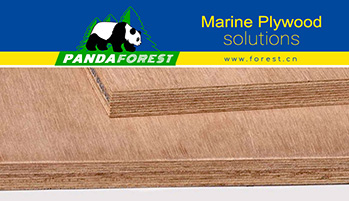
Marine plywood is designed for use in moisture-rich environments, such as boats or outdoor structures. It’s made with waterproof adhesive and high-quality wood veneers, ensuring it can withstand prolonged exposure to water without warping or delaminating. This type of plywood board is perfect for projects where water resistance is a priority.
4. Structural Plywood
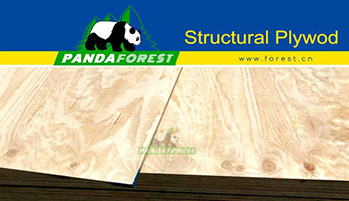
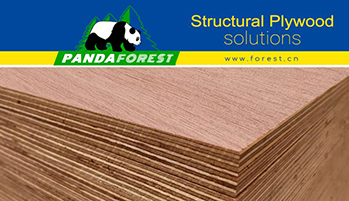
Structural plywood is engineered to provide maximum strength and stability. It’s used in areas where the plywood panels will bear heavy loads, such as in subflooring or roof decking. These plywood sheets are made to meet strict building codes and are often treated with chemicals to increase their resistance to fire, termites, and decay.

The Role of Plywood Board in Innovative Construction
Innovative construction techniques continue to evolve, and plywood board is playing a crucial role in this transformation. New manufacturing processes have led to the development of engineered plywood panels that offer enhanced strength and durability. These advancements have expanded the use of plywood beyond traditional applications and into more specialized projects.
Plywood Panels in Prefabrication
Prefabricated construction is gaining popularity for its ability to reduce build time and costs. Plywood board is often used in prefabricated homes and commercial buildings due to its light weight and ease of assembly. Plywood sheets can be pre-cut to fit specific dimensions, allowing builders to quickly install walls, floors, and roofs. This method reduces waste and streamlines the construction process, making it a cost-effective solution for builders and homeowners alike.
Ply Wood in Modular Construction
Modular construction is another growing trend that benefits from the use of plywood panels. In this method, buildings are constructed off-site in sections, or modules, which are then transported to the building site for assembly. Plywood board is often used in the creation of these modules due to its strength and flexibility. Ply wood sheets can be cut and shaped to fit the exact specifications of the modular units, ensuring a precise fit during assembly.
Plywood Board for Acoustic Applications
One lesser-known but increasingly popular use of plywood board is in acoustic treatments. Due to its structural integrity and sound-absorbing properties, plywood sheets are often used in the construction of walls and ceilings in music studios, theaters, and other environments where sound quality is a priority. Ply wood’s ability to dampen sound while maintaining strength makes it a reliable choice for these specialized applications.
Acoustic Plywood Panels
Acoustic plywood panels are designed to reduce sound transmission between rooms and improve sound quality within a space. These plywood sheets are typically perforated or grooved to enhance their sound absorption capabilities. They can be installed in walls, ceilings, and floors to control noise levels and create more comfortable acoustic environments. Ply wood panels used in this way are often paired with other soundproofing materials to achieve the desired level of acoustic control.
Plywood board is also frequently used in home theaters and entertainment rooms, where controlling sound reflection is key to enhancing the audio experience. The use of plywood panels in these settings allows for both sound insulation and aesthetic appeal, as the material can be finished to complement the room’s design. Whether you're a professional musician or a homeowner looking to improve your home audio setup, plywood board offers a practical solution for managing sound.
Plywood Board vs. Other Engineered Woods: A Comparison
When selecting building materials, many people compare plywood board to other engineered woods, such as MDF (medium-density fiberboard) and particleboard. While all three materials have their uses, plywood sheets often come out on top in terms of strength, durability, and versatility. Let's take a closer look at how plywood board stacks up against its counterparts:
Plywood Board vs. MDF
MDF is a popular choice for furniture and cabinetry, as it’s easy to cut and shape. However, MDF is not as strong or moisture-resistant as plywood board. While MDF may be more affordable, plywood’s durability makes it the better choice for structural applications. Plywood sheets are also less likely to sag or warp over time, making them a more reliable option for long-term use.
Plywood Board vs. Particleboard
Particleboard is even more affordable than MDF, but it lacks the strength and water resistance of plywood board. Particleboard is made from compressed wood particles and is often used in furniture that won’t bear heavy loads. In contrast, plywood sheets are made from solid wood veneers, giving them superior strength and stability. Plywood board is the preferred choice for structural applications like flooring and roofing, where load-bearing capacity is essential.
While both MDF and particleboard have their place in the world of engineered wood, plywood board remains the go-to material for projects that require a combination of strength, durability, and moisture resistance.
Plywood Sheets in Exterior Applications: What You Need to Know
While plywood board is commonly used in interior construction, it’s also a popular material for exterior applications. When used outdoors, plywood sheets must be treated or coated to ensure they can withstand exposure to moisture, UV rays, and temperature fluctuations. For projects like exterior walls, decks, and roofs, marine plywood or pressure-treated plywood board is often recommended.
Waterproofing Plywood Board
One of the main considerations when using plywood board outdoors is waterproofing. Plywood sheets can be treated with special waterproofing agents or coated with sealants to protect them from water damage. Additionally, marine plywood is manufactured using waterproof adhesives and high-quality veneers, making it an ideal choice for projects exposed to water, such as boats or docks.
Plywood Panels for Outdoor Structures
Plywood panels are frequently used in the construction of outdoor structures like sheds, garages, and even playgrounds. When used in these applications, it’s important to choose plywood board that’s rated for exterior use. Exterior-grade plywood sheets are designed to resist moisture, insects, and decay, ensuring that the structure remains stable and secure over time.
For homeowners looking to build outdoor furniture or garden structures, plywood board offers a cost-effective and durable option. Ply wood panels can be treated or painted to match the outdoor environment, providing both aesthetic appeal and long-lasting performance.
Plywood Board and Fire Resistance: Safety First
Safety is always a top priority in construction, and plywood board is no exception. While wood is naturally flammable, many types of plywood sheets are treated with fire-retardant chemicals to improve their fire resistance. Fire-rated plywood board is commonly used in commercial buildings, schools, and hospitals, where meeting fire safety standards is crucial.
Fire-Rated Plywood Panels
Fire-rated plywood panels are designed to slow the spread of flames and reduce smoke production in the event of a fire. These plywood sheets undergo a special treatment process that enhances their ability to withstand high temperatures. Fire-rated plywood board is often required in the construction of fire barriers, stairwells, and elevator shafts, where safety regulations demand the highest level of fire resistance.
In addition to fire-rated panels, many manufacturers offer plywood board with built-in fire retardants. These ply wood sheets provide an extra layer of protection, making them an ideal choice for buildings that prioritize safety.

FAQs about Plywood Board
Q: What is the difference between softwood and hardwood plywood board?
A: Softwood plywood is typically used in construction applications, while hardwood plywood is stronger and often used for furniture and cabinetry.
Q: How do I waterproof plywood sheets for outdoor use?
A: Plywood sheets can be waterproofed by applying a sealant or choosing marine-grade plywood, which is designed for water resistance.
Q: Can plywood board be used for flooring?
A: Yes, plywood board is commonly used as a subfloor material due to its strength and ability to support various types of flooring.
Q: What are the standard sizes of plywood sheets?
A: Plywood sheets typically come in 4x8-foot panels, but they are available in various thicknesses to suit different project needs.
Q: Is plywood board environmentally friendly?
A: Plywood board is considered eco-friendly because it’s made from renewable resources and produces less waste compared to solid wood.
Q: What type of plywood board should I use for cabinets?
A: Hardwood plywood is the best choice for cabinets, as it offers both strength and a smooth, finished surface suitable for staining or painting.