



Particleboard Offers Affordable and Durable Solutions
What is Particleboard?
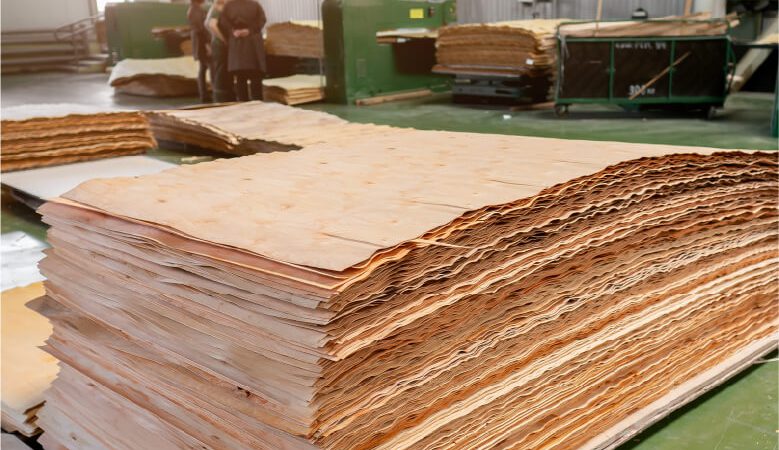
Particleboard is a type of engineered wood product made by pressing wood particles with adhesive resin under heat and pressure. This process creates dense, durable panels suitable for furniture, interior décor, and construction.

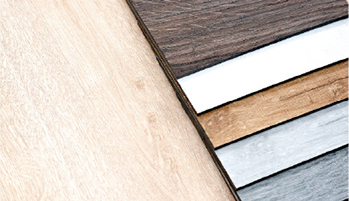
Particleboard’s structure includes small wood particles that are tightly compressed, giving it a smooth surface for finishing. Manufacturers often apply laminates or veneers to enhance appearance and durability. Compared to solid wood, particleboard offers a more affordable and eco-friendly alternative without compromising strength.
Builders, designers, and DIY enthusiasts often choose particleboard for its versatility and low cost. Its ability to withstand moderate loads makes it ideal for shelving, cabinets, and decorative paneling.
Why Choose Particleboard for Your Projects?
Particleboard offers multiple benefits, making it a preferred material for various applications. Here's why it's a smart choice:
1. Affordable Pricing
Particleboard provides a budget-friendly solution for construction and furniture making. Its low production cost makes it accessible without sacrificing durability.
2. Smooth Surface for Finishing
Particleboard sheets have a uniform surface that’s perfect for laminating, painting, or veneering. Laminated particleboard is particularly popular for furniture, offering a stylish yet practical finish.
3. Strong and Stable
Despite its lightweight composition, particleboard maintains impressive stability. Particleboard panels resist warping when installed correctly, ensuring long-term reliability.
4. Eco-Friendly Choice
Particleboard production often uses recycled wood waste. This reduces environmental impact and minimizes timber waste.
5. Versatile Applications
Particleboard is widely used in:
- Kitchen cabinets
- Shelving units
- Flooring underlays
- Decorative Wall Panels
- Office furniture
These applications make particleboard a valuable addition to interior design and construction projects.
Types of Particle board and Their Uses
Choosing the right type of particleboard depends on your project needs. Here are the most common options:
1. Standard Particleboard
This type suits indoor furniture and shelving. It’s budget-friendly but requires sealing or laminating to resist moisture.
2. Moisture-Resistant Particleboard
This option contains water-repellent additives, improving performance in kitchens, bathrooms, and utility rooms.
3. Fire-Retardant Particleboard
Designed to meet fire safety standards, this type is ideal for commercial spaces and public areas.
4. Laminated Particleboard
Pre-laminated surfaces enhance durability and offer an attractive finish. It’s perfect for cabinets, wardrobes, and office furniture.
Particleboard vs. MDF Board vs. Chipboard
Selecting the right material depends on strength, cost, and application. Here’s how they compare:
| Feature | Particleboard | MDF Board | Chipboard |
|---|---|---|---|
| Strength | Stable yet lightweight | Strong and dense | Less durable |
| Moisture Resistance | Requires sealing | Naturally moisture-resistant | Prone to swelling |
| Finishing Options | Ideal for laminates | Easy to paint | Suitable for veneers |
| Cost | Budget-friendly | Slightly higher price | Affordable |
Particleboard strikes a balance between affordability and performance, making it popular for budget-conscious buyers.
Installation Tips for Particleboard Projects
Follow these steps for secure and long-lasting particleboard installations:
1. Accurate Measurements
Carefully measure dimensions before cutting. This ensures clean results and reduces waste.
2. Use the Right Tools
A circular saw with a fine-toothed blade ensures smooth, precise cuts. Secure particleboard sheets with clamps to minimize movement.
3. Reinforce Edges
Sealing particleboard edges improves moisture resistance. Edge banding or laminated particleboard enhances durability.
4. Secure with Proper Fasteners
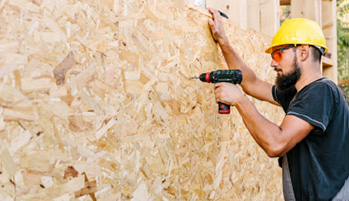
Screws designed for particleboard improve grip and prevent loosening over time.

How to Maintain Particleboard for Long-Term Use
Proper care ensures particleboard maintains its durability and appearance. Follow these maintenance tips:
1. Regular Cleaning
Wipe particleboard surfaces with a damp cloth to remove dust. Avoid excessive water or abrasive cleaners.
2. Protect Against Moisture
In humid environments, laminated particleboard offers enhanced protection. Sealing particleboard edges also minimizes swelling.
3. Reinforce Load-Bearing Areas
Particleboard shelves perform best when reinforced with support brackets, especially for heavy items.
4. Avoid Direct Sunlight
Prolonged sun exposure may weaken particleboard surfaces. Place furniture away from direct light sources to maintain durability.
Particleboard in Commercial and Residential Spaces
Particleboard’s cost-effectiveness and adaptability make it ideal for various environments:
1. Home Interiors
Particleboard enhances cabinetry, bookshelves, and wardrobes. Laminated particleboard adds a stylish finish to home designs.
2. Office Furniture
Workspaces benefit from particleboard desks, partitions, and shelving. Its strength and affordability suit commercial installations.
3. Retail Displays
Particleboard panels provide reliable support for retail shelves, stands, and display units.
4. DIY Projects
DIY enthusiasts often choose particleboard sheets for custom furniture, storage units, and creative builds.
Common Mistakes to Avoid with Particleboard
Avoid these common errors to improve project outcomes:
1. Ignoring Moisture Protection
Unsealed particleboard may swell in damp conditions. Apply waterproof sealant or choose laminated particleboard for better protection.
2. Using Weak Fasteners
Standard nails may loosen over time. Use specialized screws designed for engineered wood to enhance stability.
3. Overloading Particleboard Shelves
Particleboard performs well under moderate loads. Reinforce shelving for heavy-duty storage.
4. Skipping Edge Protection
Unsealed edges are vulnerable to chipping. Edge banding improves particleboard’s lifespan.
Maximizing Particleboard's Performance in Construction and Furniture Design
To ensure particleboard meets performance expectations, consider these strategies for improved strength, stability, and longevity.
1. Reinforce Load-Bearing Structures
While particleboard offers solid stability, reinforcing key areas enhances its strength. For bookshelves, wardrobes, or storage units, add support brackets beneath the shelves. Reinforced particleboard sheets improve stability when used in flooring underlays or cabinet bases.
2. Proper Sealing and Laminating
Unsealed particleboard may absorb moisture, causing swelling or weakening. Apply a protective sealant or opt for laminated particleboard to minimize this risk. Laminated particleboard resists surface damage and offers a sleek finish, ideal for kitchens and bathrooms.
3. Use of Edge Banding
Particleboard panels often feature rough or exposed edges after cutting. Adding edge banding enhances the finish and protects against chipping. This detail extends the life of particleboard furniture and improves aesthetics.
4. Balanced Weight Distribution
Particleboard sheets can handle moderate loads but may weaken under uneven pressure. Distribute weight evenly across the surface to maintain stability. For example, when storing books or appliances, avoid placing excessive weight in one area.
Creative Design Ideas with Particleboard
Particleboard’s versatility allows designers to create stylish and functional interiors. Consider these innovative design ideas:
1. Modern Kitchen Cabinets
Laminated particleboard provides a sleek, polished finish for kitchen cabinetry. The smooth surface allows for easy cleaning, while the sturdy structure supports storage needs.
2. Customized Shelving Units
Particleboard sheets are perfect for creating modular shelving. They’re easy to cut, paint, or laminate, making them ideal for personalized designs.
3. Decorative Wall Panels
Particleboard panels offer an affordable alternative to traditional wood cladding. When finished with veneer or laminate, particleboard adds warmth and texture to interior spaces.
4. Office Desks and Workstations
Particleboard’s strength and affordability make it a top choice for office furniture. Desks, filing cabinets, and partitions often rely on particleboard for stability.
5. Budget-Friendly Flooring Underlays
Particleboard is commonly used as a subfloor under carpets or tiles. Its dense structure provides a firm base, ensuring smooth installation.
Environmental Benefits of Particleboard
Particleboard manufacturing promotes sustainability by using recycled wood waste, reducing the need for new timber. This process minimizes deforestation while transforming wood by-products like sawdust and wood chips into useful materials.
Many particleboard products carry eco-certifications such as FSC (Forest Stewardship Council) or PEFC (Programme for the Endorsement of Forest Certification). These certifications confirm the use of responsibly sourced materials.
By choosing particleboard, consumers support sustainable practices while benefiting from affordable, high-performance materials.
Essential Tools for Working with Particleboard
Using the right tools ensures precise cuts and a professional finish. Key tools include:
- Circular Saw: For accurate, straight cuts on particleboard sheets
- Jigsaw: Ideal for curved designs or custom shapes
- Clamps: Essential for stabilizing particleboard during cutting or assembly
- Sandpaper: For smoothing rough edges after cutting
- Screwdriver or Drill: Ensures secure fastener installation
- Edge Banding Iron: For applying protective banding to exposed edges
Equipping yourself with these tools ensures particleboard projects meet professional standards.
How to Cut Particleboard Without Damage
Particleboard's dense structure requires precise cutting techniques to avoid chipping or splintering. Follow these steps for clean results:
Step 1: Mark Cutting Lines
Use a straight edge and pencil to draw clear cutting guidelines.
Step 2: Secure the Board
Stabilize particleboard sheets with clamps to prevent movement during cutting.
Step 3: Use a Fine-Toothed Blade
Install a circular saw blade with fine teeth for smooth edges.
Step 4: Cut Slowly
Apply steady pressure when cutting to prevent rough edges.
Step 5: Sand and Finish
Lightly sand cut edges to remove splinters before applying edge banding or paint.
Enhancing Particleboard with Decorative Finishes
Particleboard’s smooth surface supports various decorative treatments. These techniques enhance both aesthetics and durability:
1. Laminates
Laminated particleboard combines durability with a stylish finish. This option is ideal for kitchen cabinetry, office furniture, and retail displays.
2. Veneers
Wood veneers provide a natural look while retaining particleboard's affordability. This finish is perfect for wardrobes, shelving units, and home décor.
3. Paint
Particleboard sheets take paint well after priming. Choose latex or oil-based paints for lasting results.
4. Wallpaper
For decorative wall panels or DIY crafts, wallpaper adheres well to primed particleboard.
Top Industries Relying on Particleboard
Particleboard’s strength, affordability, and flexibility make it popular across various industries. Key sectors include:
1. Furniture Manufacturing
Particleboard panels are widely used in desks, wardrobes, and kitchen cabinets.
2. Interior Design
Decorative particleboard sheets create accent walls, headboards, and shelving.
3. Construction
Particleboard serves as flooring underlays, wall panels, and ceiling boards.
4. Packaging Industry
Particleboard's durability makes it ideal for protective packaging in shipping.
How to Repair Particleboard Furniture
Particleboard items can be repaired effectively to extend their lifespan. Follow these steps for common fixes:
1. Fixing Water Damage
Dry the affected area thoroughly. Apply wood filler to swollen areas, then sand and repaint the surface.
2. Repairing Chipped Edges
Use wood glue to reattach loose pieces. For minor chips, apply putty or filler, then sand and finish.
3. Strengthening Loose Joints
Reinforce joints with additional screws or wood glue to improve stability.
4. Restoring Surface Scratches
Fill scratches with touch-up markers or wood putty, followed by a protective finish.

Particleboard is a strong and affordable wood produce
Particleboard offers unmatched affordability, durability, and versatility for both residential and commercial spaces. Whether you're designing kitchen cabinets, office desks, or decorative wall panels, particleboard provides a practical solution at a low cost. Its ability to support laminates, veneers, and paint makes it highly adaptable.
By using proper sealing methods, reinforcing load-bearing areas, and caring for particleboard furniture, you can enjoy long-lasting results. Whether you're a DIY enthusiast or a professional builder, particleboard is a smart choice for budget-friendly yet durable designs.
For reliable results, consider laminated particleboard for enhanced protection and aesthetic appeal. Particleboard delivers practical solutions without sacrificing quality, making it a valuable material for construction, furniture, and creative projects alike.