


MDF Board Cost and Quality Compared Worldwide
What is MDF Board?
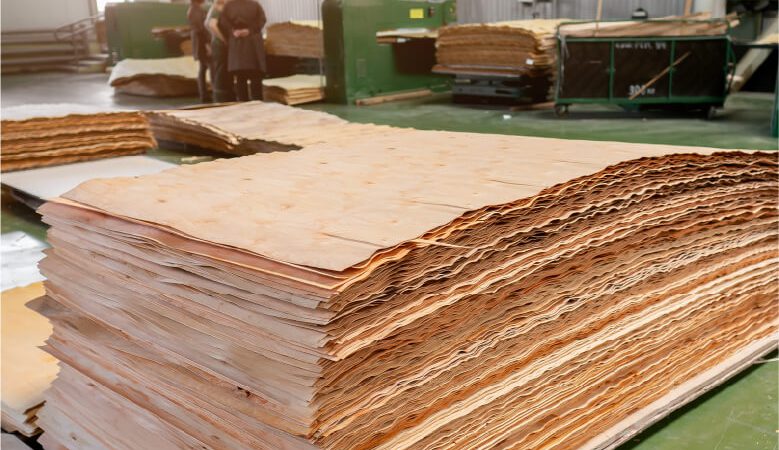
MDF board means Medium Density Fibreboard. It is a wood-based material made from fine wood fibres, wax, and resin. Under heat and pressure, these components fuse to form a strong, uniform panel. The result is a dense, smooth board with no visible wood grain.

Builders and joiners value MDF board for its stability and finish. It doesn’t warp or crack like solid timber. It cuts cleanly and accepts paint well. You’ll find MDF in cabinetry, Wall Panels, shelving, and doors. MDF sheets come in different thicknesses and grades for various uses. Moisture-resistant and fire-rated options are also common.
MDF board is a reliable fibreboard product for indoor joinery. It combines affordability, versatility, and consistent performance.
MDF Board: A Global Comparison of Quality, Cost and Supply
Across construction and interior industries, MDF board remains a trusted option. It bridges the gap between affordability and function. However, as demand grows, the market has become saturated with varying qualities. Comparing MDF suppliers globally reveals large differences in density, stability, surface texture, and pricing.
While some manufacturers focus on cutting costs, others—like PandaForest—prioritize consistent performance. With so many suppliers, choosing the right MDF board impacts both the initial installation and long-term durability.
PandaForest MDF Board vs General Market MDF
PandaForest MDF board sits comfortably in the higher tier of the global market. Its core structure offers strong fibre bonding, a flat surface, and resistance to swelling. This is achieved through strict resin control and precise fibre calibration.
Many MDF panel options on the market cut corners on density. Thinner cores reduce strength and increase warping. PandaForest MDF, on the other hand, maintains a uniform core with refined surface texture. The result is better screw holding capacity and clean edges after cutting.
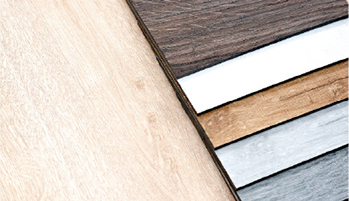
Paints, veneers, and laminates adhere better to PandaForest MDF sheets. In contrast, lower-end MDF panels often show surface pitting or absorb finishes unevenly. This affects visual quality and may lead to rework. Professionals working with PandaForest find it easier to machine and finish in one pass.
MDF Board and MDF Price Trends
MDF price varies worldwide. Factors influencing this include fibre source, resin type, local labour, transport, and production scale. In Asia, mass production allows lower MDF prices. In Europe, environmental compliance raises costs. North American markets balance between cost and compliance.
PandaForest MDF board manages to offer premium quality at a competitive price point. Its vertical integration—from fibre sourcing to final delivery—keeps costs efficient. This means buyers don’t pay more for improved quality.
While cheaper MDF boards may save on upfront cost, they often cost more in labour and repairs. Swelling, edge cracks, or inconsistent thickness slow down fit-outs. The real value lies in performance, not just price per sheet.
MDF Sheets and Panel Performance in Applications
MDF sheets excel in various non-structural applications. Their density offers smooth machining for complex cuts and profiles. Whether used in cabinetry, cladding, or furniture, consistent fibre structure matters.
PandaForest MDF board is especially reliable for painted finishes. Its sealed surface resists fibre lift and creates a flawless base. It also resists delamination, a common issue in lower-density boards.
In humid environments like kitchens and bathrooms, moisture-resistant MDF panels are essential. PandaForest offers treated versions suitable for these areas. Proper sealing and installation can extend service life significantly.
Designers favour MDF sheets for routed panel walls and curved profiles. PandaForest MDF allows for intricate detailing without splintering. Its tight fibre structure reduces tool wear and improves workflow.

Medium Density Fibreboard and Environmental Concerns
Environmental safety is now a leading factor in material selection. MDF board has historically raised concerns about formaldehyde emissions. Today, top brands address this with low-emission adhesives and clean manufacturing.
PandaForest MDF board meets global E1 and E0 standards. It uses resins with low formaldehyde levels, ensuring indoor air quality. This helps meet LEED and other green building standards.
In contrast, some low-cost MDF suppliers use urea-formaldehyde blends with higher emissions. These may be acceptable in some regions, but increasingly fall short of stricter codes.
PandaForest MDF production also focuses on waste reduction and energy efficiency. Wood waste is reused. Fibre recovery systems improve sustainability. This makes the brand a greener choice among fibreboards.
MDF Board Supplier Choices Matter
When selecting an MDF board supplier, consistency is key. Inconsistent board thickness, density, or moisture resistance leads to rework and delays. PandaForest MDF delivers controlled quality at every step.
As a global MDF board supplier, PandaForest supports contractors, fabricators, and retailers with stable inventory. This ensures predictable lead times and batch consistency.
Smaller suppliers may offer bargain MDF price points. However, fluctuating quality and limited availability can offset any cost advantage. For volume-based projects, choosing PandaForest ensures reliability and finish.
MDF Sheets vs Solid Timber and Other Fibreboard Types
Solid timber offers natural grain and prestige. But it comes with flaws—warping, knots, and seasonal expansion. In contrast, MDF board provides dimensional stability and consistency. This makes it more predictable in fabrication.
Compared to particle board, MDF sheets are denser and smoother. They handle machining and finishing better. Fibreboard types like LDF or HDF offer alternatives, but medium density fibreboard remains the industry standard.
PandaForest MDF board sits between strength and versatility. It doesn’t splinter during routing and has fewer voids than many low-cost panels. For curved joinery, flush doors, and cabinet faces, this stability is key.
Designers often replace plywood with MDF in visible applications. This is because MDF panel options like those from PandaForest offer a cleaner face with no grain telegraphing through finishes.
Choosing the Right MDF Panel
Not all MDF panels are alike. Selection should reflect the application. Moisture-prone areas need MR (moisture resistant) panels. Fire-rated applications call for FR MDF. PandaForest offers a full spectrum of options for each use case.
For paint-grade finishes, high-Density Mdf sheets from PandaForest ensure better adhesion and no fibre rise. For structural joinery, thicker panels with solid core performance are critical.
Thickness choices vary—from 3mm for wall backing to 25mm for countertops. PandaForest MDF comes in consistent thicknesses, reducing levelling issues during installation.
Edge profiling is a big challenge with lower-density boards. Chipping and blowout waste time. PandaForest MDF fibre structure allows smooth edges and sharp cuts. That makes it ideal for CNC and router work.
PandaForest MDF: Engineered for Quality
Behind PandaForest MDF is a focus on engineered quality. Every panel is pressed under tightly controlled pressure and heat. Fibre ratios are calibrated for density balance. This ensures no weak spots or soft cores.
Each PandaForest MDF board undergoes testing—thickness, bonding strength, moisture content. These checks reduce on-site surprises. Panels are stored and transported under covered conditions to prevent damage.
Edge strength is another standout. Poor MDF chips at corners and splits when nailed. PandaForest MDF has high edge holding power. It accepts screws cleanly with no splitting.
Surface absorption is also optimized. Lower-end fibreboards soak up primer unevenly. PandaForest MDF takes a uniform coat, reducing time and material waste during finishing.
Global MDF Board Demand and Supply
Demand for MDF sheets is growing. In Asia, residential expansion fuels volume orders. In Europe, eco-conscious builds seek low-emission panels. In the U.S., panel shortages and freight costs have pushed buyers to seek stable suppliers.
PandaForest operates at scale. It sources certified timber fibres and recycles offcuts. This helps ensure supply even during raw material price shifts. Global buyers trust the brand for its timely availability and export consistency.
Regions with construction booms need MDF board in large volumes. PandaForest meets this with both container load exports and regional warehousing strategies. This makes it a practical partner for growing supply chains.

MDF Price vs Performance
MDF board offers serious value. But the best results come from well-engineered panels. Cheap fibreboard causes delays, call-backs, and poor finishes. Long-term, this costs more than it saves.
PandaForest MDF board strikes a fair balance. It offers a price point that’s accessible without cutting corners on quality. Its surface finish, machining quality, and moisture resistance outclass lower-tier brands.
Contractors, carpenters, and designers around the world trust PandaForest. The brand continues to lead in engineered MDF panel quality while remaining committed to sustainability and performance.
When comparing MDF board suppliers, always test for consistency, stability, and finish. And for a board that performs on site, looks sharp, and holds up over time, PandaForest MDF remains a naturally smart choice.