



Formwork Plywood: Comparing Concrete Formwork Plywood and Shuttering Plywood for Construction
What is Formwork Plywood?
Formwork plywood is a specialized type of plywood used in construction projects to create temporary molds for holding poured concrete in place while it sets. Known for its strength, durability, and resistance to moisture, formwork plywood is essential in ensuring that concrete structures are shaped and supported properly until they cure. It’s widely used in various applications, from building foundations and columns to large-scale infrastructure projects such as bridges and highways.

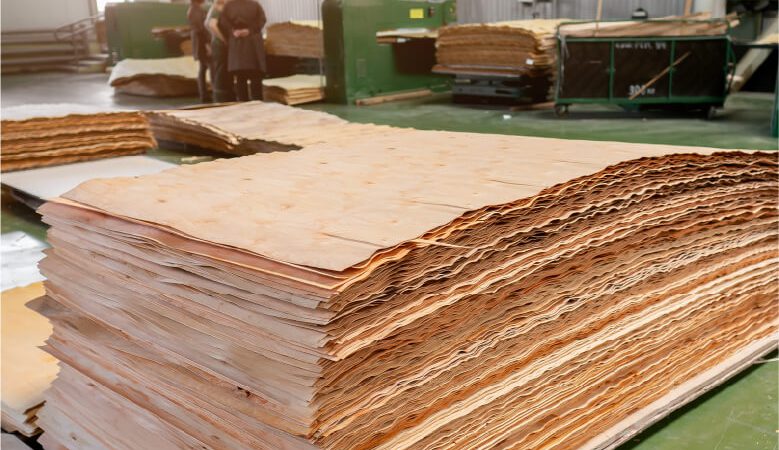
Also referred to as concrete formwork plywood, construction plywood, plywood formwork, or shuttering plywood, this type of plywood is typically made from multiple layers of veneer that are bonded together using waterproof adhesives. It often features a durable, moisture-resistant coating, such as phenolic film, which enhances its longevity and allows it to be reused multiple times on the job site.
Formwork plywood’s primary purpose is to provide a stable, reusable form that can support wet concrete until it hardens into its final structure. The wood’s engineered design ensures that it can withstand the pressure of the concrete and harsh environmental conditions, making it a favorite in the construction industry for both small-scale residential projects and large industrial builds.
Formwork Plywood vs. Concrete Formwork Plywood: What's the Difference?
Strength and Durability
When comparing formwork plywood and concrete formwork plywood, it’s important to recognize that these two terms are often used interchangeably. However, concrete formwork plywood is typically associated with heavier-duty applications. It is specifically designed for use in demanding environments where it must withstand the high pressure and weight of poured concrete.
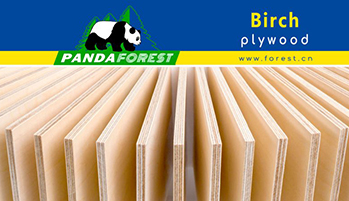
Concrete formwork plywood is typically constructed from high-quality hardwood veneers, such as birch or eucalyptus, that are bonded together to form a dense, durable sheet. This construction gives the plywood the ability to support significant loads without bending or breaking, making it ideal for large-scale infrastructure projects, such as highways, bridges, and high-rise buildings.
Moisture Resistance
Both formwork plywood and concrete formwork plywood are treated with water-resistant coatings, but the level of protection can vary. Concrete formwork plywood often has a thicker coating of phenolic resin, which not only makes it resistant to water but also helps it to release from the concrete more easily after the concrete has cured. This feature reduces the chances of the plywood sticking to the concrete and being damaged during removal.
For smaller or less demanding projects, standard formwork plywood might be sufficient, but for high-stakes jobs, concrete formwork plywood is the better choice due to its superior durability and resistance to environmental factors.
Shuttering Plywood: A Key Formwork Material
Shuttering plywood, another synonym for formwork plywood, is specifically designed to be used in shuttering systems, which are temporary molds built to shape and hold wet concrete. The plywood's ability to support the weight of the concrete while preventing leaks is what makes it indispensable in the construction process.
Features of Shuttering Plywood
- Strength and Stability: Like other types of formwork plywood, shuttering plywood is constructed using layers of wood veneer that are glued together at alternating angles. This cross-laminated design gives it superior strength and resistance to warping, even when exposed to moisture and heavy loads.
- Water Resistance: Shuttering plywood is often treated with water-resistant coatings to ensure that it doesn’t degrade when exposed to wet concrete. This coating also helps to protect the plywood from weathering, allowing it to be reused on multiple projects.
- Cost-Effectiveness: While shuttering plywood is durable and long-lasting, it’s also a cost-effective option for construction companies because it can be reused for several concrete pours before needing to be replaced.
Construction Plywood: A Broader Category
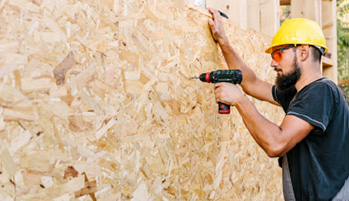
While formwork plywood and its synonyms refer specifically to plywood used in concrete forming, construction plywood is a broader category that encompasses various types of plywood used for a wide range of building applications. Construction plywood can be used for everything from wall sheathing and roof decking to flooring and cabinetry.
Different Grades of Construction Plywood
Construction plywood comes in a range of grades, from lower-cost, rough-surface sheets designed for structural use, to high-grade plywood with smooth surfaces that are ideal for visible applications like cabinetry or paneling.
- A-Grade Plywood: This is the highest grade of plywood, featuring a smooth, sanded surface that’s free of knots or other imperfections. It’s often used in furniture-making or decorative applications where appearance is important.
- C and D-Grade Plywood: Lower-grade plywood contains more visible defects and is typically used in structural applications where appearance is not a concern.
Why Choose Formwork Plywood Over General Construction Plywood?
While general construction plywood is versatile and suitable for a wide variety of uses, it may not offer the same level of performance in concrete forming applications as formwork plywood. Construction plywood may not be treated for water resistance, and its strength may not be sufficient to support the weight of wet concrete, especially in larger structures.
If your project involves forming concrete structures, it’s best to use plywood specifically designed for that purpose, such as formwork plywood or concrete formwork plywood, to ensure safety and longevity.

Comparing Plywood Formwork and Formwork Plywood
The terms plywood formwork and formwork plywood are often used interchangeably, and for all practical purposes, they refer to the same type of product: plywood used in the construction of concrete molds or forms. However, some slight distinctions may arise depending on the region or specific project requirements.
Common Characteristics of Plywood Formwork and Formwork Plywood
- Moisture Resistance: Both plywood formwork and formwork plywood are designed to be highly resistant to moisture, which is critical in construction environments where the plywood will come into direct contact with wet concrete.
- Strength and Durability: These types of plywood are engineered to support the weight and pressure of wet concrete without warping or cracking, making them ideal for use in building walls, columns, and foundations.
- Reusability: Both plywood formwork and formwork plywood can be used multiple times, which helps to reduce costs on larger projects by allowing the same sheets of plywood to be used in multiple concrete pours.
Regional Differences
In some regions, the term plywood formwork may be more commonly used, while in others, formwork plywood is the preferred term. Regardless of the terminology, the product’s function and benefits remain the same.
Choosing the Right Formwork Plywood for Your Project
When selecting the best formwork plywood for your construction project, several factors should be considered to ensure that you choose the right material for the job.
Load-Bearing Requirements
The first factor to consider is the load that the plywood will need to support. For larger, more complex concrete structures, such as bridges or high-rise buildings, choosing high-grade concrete formwork plywood is essential. For smaller, less demanding projects, standard formwork plywood may suffice.
Reusability and Cost
If your project involves multiple concrete pours, investing in high-quality formwork plywood that can be reused is a cost-effective option. While the initial cost may be higher, the ability to reuse the plywood on future pours will help to offset this expense.
Surface Finish and Coating
The surface finish of your formwork plywood will determine the appearance of the finished concrete. Plywood with a smooth surface will create a clean, polished finish, while plywood with a textured surface may leave impressions on the concrete.
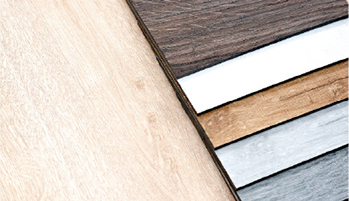
Additionally, the type of coating applied to the plywood is critical. Phenolic film coatings, for example, provide superior water and chemical resistance, ensuring that the plywood remains intact even after multiple uses.
Comparing the Costs of Formwork Plywood
The price of formwork plywood can vary widely depending on several factors such as the type of wood used, the thickness of the plywood, and whether it has any special coatings for moisture and chemical resistance. It’s important to consider these factors when selecting plywood for your project to ensure that you get the best value for your money without sacrificing quality.
Factors Influencing the Price
Type of Wood: The cost of plywood largely depends on the type of wood used. For example, softwood plywood, made from trees like pine, tends to be less expensive than hardwood plywood, which is often made from trees like birch or eucalyptus. Hardwood plywood is stronger and more durable, making it ideal for heavy-duty applications, but it comes at a higher price.
Plywood Thickness:Thicker plywood sheets generally cost more than thinner ones. While 12mm or 18mm Plywood is ideal for supporting heavier concrete loads, thinner plywood, such as 9mm or 6mm, might be suitable for smaller, less demanding jobs, and it’s typically more affordable.
Special Coatings: Plywood that is treated with moisture-resistant coatings or phenolic resin film costs more, but the additional expense can be worthwhile for projects that require extra durability and reusability. These coatings protect the plywood from exposure to wet concrete, ensuring it can be used multiple times.
General Price Range
- Basic Formwork Plywood: For small to medium-sized construction projects that don’t require heavy-duty materials, basic formwork plywood made from softwood can cost between $30 and $50 per sheet, depending on the thickness and quality.
- Concrete Formwork Plywood: This higher-grade plywood, designed for more intensive concrete pouring operations, can range from $50 to $100 per sheet. The added cost reflects the use of hardwood veneers, thicker coatings, and a higher level of durability.
- Shuttering Plywood: Shuttering plywood is generally priced in the same range as standard formwork plywood, costing between $40 and $80 per sheet depending on the quality and intended use.
While the initial investment in high-quality formwork plywood might seem steep, the long-term cost savings from being able to reuse the plywood across multiple projects often outweighs the upfront cost.
Formwork Plywood in Different Construction Applications
Residential Construction
In residential construction projects, formwork plywood is commonly used to create temporary molds for foundations, walls, and columns. Since these projects are typically smaller in scale compared to large infrastructure developments, lower-grade formwork plywood or shuttering plywood is often sufficient.
For example, when building a home foundation, plywood formwork is used to hold the concrete in place as it cures. The plywood provides the structural support needed to keep the concrete from spilling out of the form, while also creating a smooth surface for the finished foundation.
Commercial and Industrial Construction
In commercial or industrial construction, where larger structures such as office buildings, warehouses, or factories are being built, higher-grade concrete formwork plywood is necessary. The increased load from larger volumes of concrete requires plywood with enhanced strength and moisture resistance.
Infrastructure Projects
Infrastructure projects, like highways, bridges, and tunnels, place even greater demands on formwork materials. In these cases, plywood formwork must be able to withstand extreme conditions, including heavy loads, exposure to weather, and long-term use. Concrete formwork plywood made from durable hardwood species and treated with phenolic resin is often the go-to choice for these demanding environments.
Plywood Formwork and Environmental Considerations
In today’s construction industry, sustainability and environmental impact are major concerns. As a result, many companies are looking for materials that not only meet performance requirements but also reduce environmental harm.
Sustainable Sourcing
Many manufacturers of formwork plywood and construction plywood source their wood from sustainably managed forests. This means that the trees used to produce plywood are replanted, and the forests are managed to ensure long-term health and biodiversity. Choosing plywood that carries certification from organizations like the Forest Stewardship Council (FSC) is a great way to ensure that your project is environmentally friendly.
Reusability and Waste Reduction
One of the major advantages of using formwork plywood is its reusability. High-quality plywood can be used multiple times on different construction projects, reducing the amount of waste generated. This is especially important on large-scale construction sites, where minimizing waste not only reduces environmental impact but also cuts costs.
Key Benefits of Using Formwork Plywood
There are several reasons why formwork plywood remains a staple in the construction industry. Here’s a quick overview of its key benefits:
Strength and Durability
Formwork plywood is designed to support the weight and pressure of wet concrete, making it strong enough for even the most demanding construction projects. The cross-laminated structure of the plywood provides stability and helps prevent warping or bending under pressure.
Moisture Resistance
One of the most important features of formwork plywood is its resistance to moisture. Concrete formwork applications often involve exposure to water and chemicals, so the plywood must be treated to withstand these conditions without deteriorating. Plywood coated with phenolic resin or other waterproof coatings provides superior protection and longevity.
Reusability
High-quality formwork plywood can be reused for multiple concrete pours, reducing material costs and minimizing waste. Proper care, such as cleaning the plywood after each use and storing it in a dry environment, can extend its lifespan significantly.
Versatility
Formwork plywood is available in a variety of thicknesses and grades, making it versatile enough to be used in a wide range of applications, from small residential projects to large infrastructure builds.
Challenges and Considerations
While formwork plywood offers numerous benefits, there are also some challenges and considerations to keep in mind when using it.
Handling and Storage
To maximize the lifespan of formwork plywood, it must be handled and stored properly. Plywood that is left exposed to the elements for long periods can become damaged, even if it has a moisture-resistant coating. Storing plywood in a dry, covered area will help prevent warping, swelling, and delamination.
Surface Quality
The quality of the plywood’s surface can impact the finish of the concrete. For projects that require a smooth, polished concrete surface, it’s essential to choose formwork plywood with a smooth, coated finish. Lower-grade plywood with a rough surface may result in uneven or imperfect concrete finishes.
Cost vs. Longevity
While high-quality formwork plywood can be expensive, its ability to be reused makes it a cost-effective option in the long run. However, for smaller, one-time projects, using lower-grade plywood may be a more budget-friendly choice.

How to Maintain and Extend the Life of Formwork Plywood
Proper care and maintenance can significantly extend the lifespan of formwork plywood, allowing it to be reused across multiple projects. Here are some tips to help maintain your plywood:
Clean After Each Use
After each use, it’s important to clean the plywood to remove any concrete residue or dirt. This helps prevent buildup and ensures that the plywood maintains its smooth surface for the next use.
Apply a Release Agent
Before each pour, apply a release agent to the plywood’s surface. This prevents the concrete from sticking to the plywood, making it easier to remove the forms after the concrete has cured. Release agents also help protect the plywood from moisture and chemicals.
Store in a Dry, Covered Area
When not in use, plywood should be stored in a dry, covered area to prevent exposure to rain or moisture. Stacking the plywood flat and covering it with a tarp or placing it in a storage shed can help prevent warping or swelling.
FAQs of Formwork Plywood
Q: What is the lifespan of formwork plywood?
A: With proper care and maintenance, high-quality formwork plywood can be reused up to 20 times or more, depending on the project.
Q: Can formwork plywood be cut to size?
A: Yes, formwork plywood can be cut to the desired size using standard woodworking tools. It’s important to reseal any exposed edges after cutting to maintain its moisture resistance.
Q: How do I choose between formwork plywood and concrete formwork plywood?
A: For larger, more demanding projects, concrete formwork plywood is recommended due to its superior strength and durability. For smaller jobs, standard formwork plywood may suffice.
Q: Can I use formwork plywood for other construction applications?
A: While formwork plywood is primarily designed for concrete forming, it can also be used for general construction purposes, such as flooring or wall sheathing, provided it meets the required specifications.
Q: How much does formwork plywood typically cost?
A: Prices for formwork plywood can range from $30 to $100 per sheet, depending on the type of wood, thickness, and coatings.
Formwork plywood is a versatile and essential material in the construction industry, offering strength, durability, and reusability in concrete formwork applications. With the right care, it can serve as a reliable and cost-effective solution for a wide range of construction needs.