



Cost of Plywood Sheet Gains Interest
Cost of Plywood Sheet?
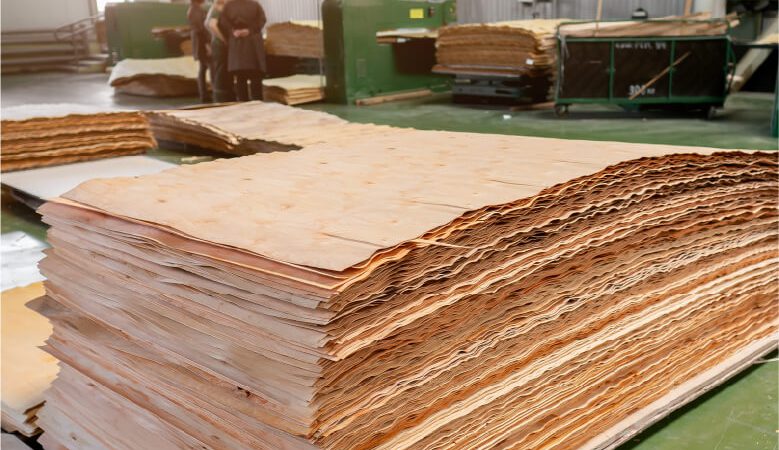
The phrase cost of plywood sheet refers to the pricing structure for panels used in building and carpentry. Each sheet’s price reflects factors such as wood species, thickness, and manufacturing processes. Suppliers weigh operational overhead and raw material availability before assigning final costs. Buyers evaluate these sheets for flooring, walls, or furniture projects. Some prefer high-grade hardwood plywood with minimal defects, while others focus on cheap plywood for short-term tasks. Retailers often stock varied thickness options, from thin underlayment boards to thick structural pieces. Bulk orders may lower per-sheet rates, helping large-scale projects minimize expenses. Shifting demand can cause seasonal changes. Global supply chain constraints sometimes nudge prices up. Additionally, specialized products like marine plywood may cost more due to moisture resistance. Ultimately, comprehending the cost of plywood sheet helps individuals balance budgets against quality needs. This insight shapes construction timelines and final outcomes in practical ways.

The Cost of Plywood Sheet
Pricing for plywood is a major concern for homeowners and commercial builders. Many factors drive the final figure. Each sheet’s wood grade can alter its market value. High-grade panels often cost more due to refined surfaces. Production costs also influence rates. Manufacturers rely on advanced machinery to ensure quality. The cost of plywood sheet varies by region, too. Transport fees and import taxes affect local pricing. Some areas offer discounts on bulk orders. Buyers often compare vendors for the best deal. The entire process hinges on supply and demand.
Comparing Different Types of Plywood
Multiple plywood categories exist. Marine plywood resists moisture and excels in damp zones. Hardwood plywood features robust layers for furniture or cabinetry. Some budgets stretch to specialized designs. The cost of plywood sheet can skyrocket for rare wood species. Meanwhile, cheap plywood works well for temporary structures. That option can lower costs where aesthetics matter less. For decorative tasks, many prefer furniture plywood. Its smooth faces accept stains or paints easily. Each variant caters to distinct uses. Buyers must decide if certain qualities justify the extra expense. Knowing these distinctions clarifies spending choices.
Evaluating Plywood Thickness
Thickness matters when pricing plyWood Panels. Thicker boards often demand higher prices. Extra material boosts stability and weight tolerance.Plywood thickness typically ranges from a few millimeters to over an inch. Builders pick the dimension that meets structural demands. Floors might call for thicker sheets to prevent flexing. Wall sheathing can be thinner to reduce weight. The cost of plywood sheet correlates with thickness. Heavier boards can save money in the long run by preventing damage. Thinner ones offer savings up front but might need extra support. Evaluating load requirements ensures cost efficiency. Selecting the right balance prevents overspending.

Exploring Hardwood and Marine Plywood
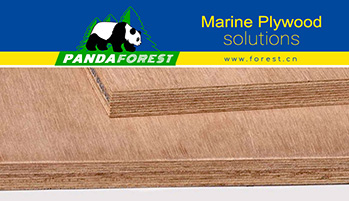
Certain projects demand premium plywood types. Hardwood plywood excels in cabinetry, thanks to a solid veneer. Its layers remain uniform, allowing smooth edges and minimal warping. This option can lift the cost of plywood sheet but delivers lasting value. Marine plywood is another contender. Manufacturers treat it with water-resistant adhesives. Boats, docks, and coastal constructions rely on these panels. They maintain form even in humid or salty surroundings. Because of specialized glue and superior veneer, marine grades often come with a higher price. Builders who need damp-area protection trust this investment. For less challenging environments, standard plywood works fine.
Weighing Cheap Plywood for Basic Needs
Budget constraints can lead shoppers toward cheap plywood. This category is not always inferior in function. Thinner boards or lower-grade veneers lower production expenses. Such sheets address quick repairs or short-term builds. They help keep spending manageable when finishing is not a priority. However, inferior glues or inconsistent layers might cause warping. The cost of plywood sheet may be minimal, but future repairs can arise. Some find it suitable for craft projects that do not bear weight. Others use it for underlayment that remains hidden. Evaluating the trade-offs between budget and longevity is essential. Cost alone does not guarantee a satisfactory outcome.
Factoring in Plywood Durability
A key element behind pricing is plywood durability. Certain boards endure heavy loads without cracking. Quality adhesives strengthen each layer to resist splitting. Consistent grain alignment also boosts stability. When surfaces must withstand repeated stress, durability becomes vital. The cost of plywood sheet often includes advanced bonding materials. Better glue formulations reduce water absorption and protect the core. Top-tier manufacturing processes maintain consistent thickness. If a product resists bending, it commands a higher cost. Such reliability translates into fewer replacements. Builders prefer tough panels for floors, roofs, or load-bearing walls. Durability, in turn, influences overall budgeting decisions.
Considering Furniture Plywood for Style
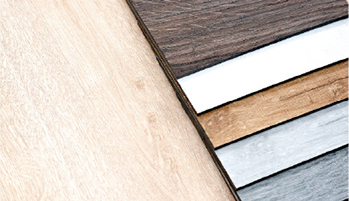
Homeowners seeking a polished interior might select furniture plywood. It offers a refined surface that accepts detailed finishing. Cabinet doors and shelving look sleek with minimal knots. The cost of plywood sheet in this segment usually aligns with veneer quality. Smooth outer layers save time during sanding and staining. Designers appreciate its aesthetic uniformity. For larger furniture builds, stable panels allow intricate shapes. Finishes like lacquer highlight the wood grain. The result feels upscale with fewer preparation steps. Furniture-grade options occupy a moderate price point. They fit budgets that prioritize style and long-term usage. Investing in this tier can improve a home’s visual appeal.
Price Influencers and Regional Variation
Geography heavily shapes the cost of plywood sheet. Local forests can supply raw materials at lower rates. Transport adds to the bottom line if wood travels far. Tariffs or trade policies also raise prices. Retailers in urban areas often charge more, reflecting higher business overhead. Rural outlets may offer competitive deals if local mills exist. Seasonal demand spikes can impact rates, especially during peak construction periods. Supply chain disruptions play a role as well. Natural disasters that affect timber harvests drive up costs. Monitoring these market swings helps buyers capitalize on discounts. Timing large orders can secure lower unit prices.
Buying Strategies and Negotiation
Bulk purchases usually reduce per-sheet expenses. Contractors often place large orders to minimize overhead. Individuals might team up with neighbors to share bundles. Doing so spreads shipping and delivery fees. Negotiating with suppliers can also trim the cost of plywood sheet. Outdated stock or slightly damaged panels might be sold at a discount. Inspecting those materials carefully is wise. Some retailers run promotions at fiscal year-end. Patience and research uncover these deals. Consumers should also read product labels closely. Confirm thickness, veneer quality, and glue type before finalizing a sale. An informed approach helps avoid hidden expenses.
Sustainable Sourcing and Eco-Friendly Factors
Ecological considerations influence many purchasing decisions. Certified plywood often bears labels like FSC or PEFC. These marks confirm responsible forest management. Such products may carry a higher price tag. In return, buyers support minimal environmental harm. Eco-friendly adhesives feature fewer volatile compounds. They can elevate the cost of plywood sheet but ensure healthier indoor air. Some manufacturers adopt zero-waste policies. They repurpose offcuts and minimize carbon footprints. Customers aware of these details factor them into their budgets. Conscious investing can benefit ecosystems while matching project requirements. Green building standards also reward sustainable material choices.
Examining Project Timelines and Cost
Time affects material expenses in many ways. Fluctuations in raw lumber pricing may drive sudden increases. Seasonal slowdowns sometimes prompt discounts for large buys. Project duration also impacts final outlays. Rapid builds might pay more to secure fast delivery. Delays can inflate the cost of plywood sheet through storage or repeated transport. Monitoring supply chain conditions is crucial for accurate estimates. Some professionals schedule purchases during off-peak months. That can secure better bargains. Anticipating changes in demand helps minimize budget overruns. In every instance, timing strategies can yield measurable savings.
Understanding the Role of Labor
Labor influences total plywood spending. Skilled carpenters charge more but deliver efficient installations. They reduce wasted material through precise cuts. Less experienced laborers might make mistakes that increase the cost of plywood sheet usage. Frequent recuts or poor handling ruins quality boards. Paying top dollar for skilled work can avert reordering. Consider grouping tasks to maximize efficiency. If walls, floors, or cabinets use similar thickness, tradespeople can work swiftly. This approach lowers labor hours and enhances final results. Balancing worker expertise against wages saves money in the long run.
Balancing Quality and Cheap Plywood
A project’s overall success often depends on selecting the right materials. Cheap plywood might appear appealing for cost reasons. However, heavy loads or adverse conditions may reveal weaknesses. Warping or delamination can cause redo expenses. On the other hand, going too far upscale inflates budgets. The cost of plywood sheet climbs quickly for exotic veneers. Practical choices usually lie between extremes. Builders examine each task’s demands to find a suitable grade. Controlled environments can tolerate mid-tier panels. Areas prone to moisture might require marine plywood. By selecting wisely, it is possible to blend quality and affordability.
Considering Repairs and Long-Term Value
An initial price tag does not tell the whole story. Durability directly influences a product’s life cycle. If boards break early, replacements add to the cost of plywood sheet. Prolonging lifespan saves money over time. For heavy usage, sturdy boards limit repair frequency. Furniture plywood, for instance, supports repeated movement without bowing. Marine plywood resists rot in damp zones, curbing long-term maintenance. Regular checks help catch minor damage. Early fixes prolong a panel’s functionality. Factoring future upkeep into the budget clarifies any upfront premium. That forward-thinking approach promotes cost-effectiveness.
Techniques for Reducing Waste
Efficiency can curb material waste. Planning cuts on paper prevents leftover scraps. Using standard dimensions aligns projects with common panel sizes. Many shops optimize sheet usage through computer-guided saws. A careful layout lowers the cost of plywood sheet. Offcuts become smaller pieces or reinforcements. Skilled craftspeople measure twice before each cut. That simple habit eliminates disposal of incorrectly sized boards. Proper storage also matters. Damp conditions or uneven stacking can warp edges. Warped panels lead to reorders and inflated costs. Keeping an orderly workspace preserves resources.
Observing Plywood Durability in Harsh Climates
Weather can test a panel’s integrity. Regions with high humidity challenge adhesives. Heat causes boards to expand or contract. Dry air may cause cracks or splits. The cost of plywood sheet can rise if frequent replacements become the norm. Plywood durability stands out when facing storms, temperature swings, or intense sun. Protective sealants mitigate damage. Builders in hurricane-prone areas sometimes prioritize marine plywood. Even then, sealing edges helps deflect moisture. Over time, durable panels justify their price by reducing future spending. Investing in climate-appropriate sheets aligns with solid budget planning.
Integrating Eco-Friendly Materials
Many modern projects pursue green credentials. Certified wood sources ensure forests remain healthy. Adhesives with low volatile compounds improve indoor air. These improvements can elevate the cost of plywood sheet. Some believe the benefits outweigh the expense. Eco-conscious property owners appreciate lower carbon footprints. Government incentives may offset part of the premium. Sourcing local timber reduces transport emissions. Some suppliers upcycle offcuts into new composites. This practice maximizes resource usage and limits waste. Picking sustainable plywood aligns with responsible building methods. It can also attract eco-minded buyers in real estate contexts.
Spotlight on Furniture Plywood Craftsmanship
Custom pieces can elevate interior design. Furniture plywood fosters creativity without inflating budgets too far. Its stable layers accommodate detailed joinery. Builders shape these panels into chairs, tables, or bespoke cabinets. Since surfaces are smooth, finishing requires minimal prep. The cost of plywood sheet for furniture builds varies by grade. High-end veneers display near-flawless grains. Mid-range sheets strike a balance between cost and polish. Creating unique pieces at home or in workshops remains feasible with plywood. A bit of sanding and staining yields a premium look. This synergy of artistry and affordability appeals to many.
Gauging Return on Investment
The term “return on investment” often applies to property enhancements. Renovations with quality materials can raise a home’s resale value. Durable plywood floors or cabinets impress potential buyers. They may factor in fewer future repairs. The cost of plywood sheet might appear high initially. However, the final aesthetic can attract better offers. Commercial spaces also benefit. Well-finished plywood partitions or fittings create a professional aura. Employees or clients notice well-maintained interiors. That sense of quality bolsters brand reputation. Weighing increased property worth against material outlay guides budget allocations.

Final Thoughts on Plywood Pricing
Plywood remains a cornerstone of construction worldwide. Balancing grade, thickness, and durability is essential. Costs shift with supply and demand, but strategic planning pays off. Buyers who research material properties make wise spending decisions. Superior panels command a premium yet often deliver lasting returns. Cheaper variants serve their place in certain low-demand tasks. Approaches like volume buying, negotiation, and efficient use of offcuts help lower total outlays. Project planners who track market trends secure competitive deals. The journey to cost savings involves more than a quick glance. Careful evaluation ensures consistent performance and satisfied builders.
This release concludes with gratitude for the versatile and valuable nature of plywood in building endeavors.