



Chip Board Solutions for Durable and Affordable Interiors
What is Chip Board?
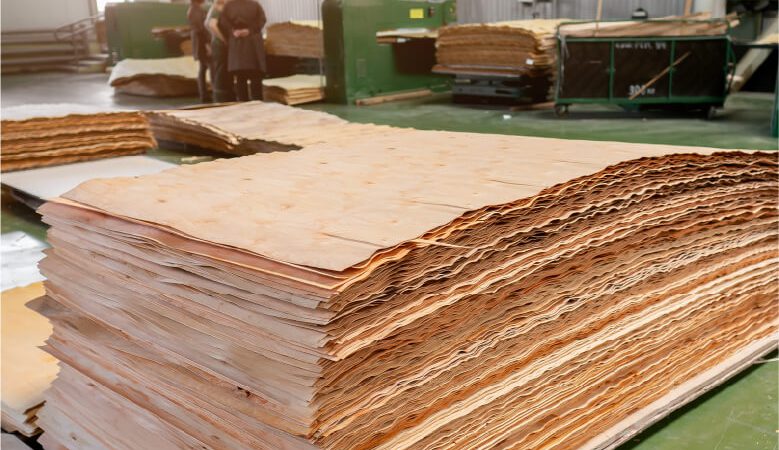
Chip Board is a type of engineered wood product made by compressing wood particles with resin. It’s a practical solution in furniture making, construction, and interior design. Chip board offers a stable surface for painting, laminating, or veneering. Available in different thicknesses, chipboard panels provide strength and stability. This makes them an ideal choice for cost-effective, sturdy designs.

Unlike solid wood, chip board resists warping, which is ideal for long-lasting fixtures. It’s often chosen alongside MDF board and particle board for diverse applications. With chipboard sheets easy to cut and shape, DIY enthusiasts and professionals alike appreciate its user-friendly qualities.
Why Choose Chip Board for Your Projects?
Chip board stands out for its affordability and versatility. It’s widely used in home construction, office spaces, and retail displays. Here’s why it’s a go-to material:
1. Cost-Effective Solution
Chip board offers a budget-friendly alternative to solid wood. It maintains strength and stability without inflating costs. For projects requiring large surfaces, such as shelving or partition walls, chip board minimizes expenses.
2. Easy to Work With
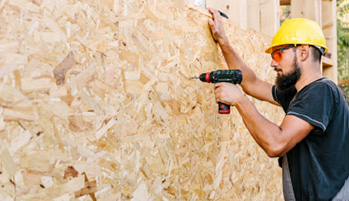
Chipboard sheets are simple to cut, drill, and shape. This makes them suitable for customized designs. For builders and DIY creators, chip board’s manageable structure simplifies installation.
3. Strength and Durability
Despite being lightweight, chip board offers impressive strength. Chipboard panels are resistant to bending or breaking when used in shelving or cabinetry. With proper sealing or laminating, it holds up well against moisture.
4. Eco-Friendly Production
Many chip board products are crafted from recycled wood, reducing environmental impact. This sustainable aspect appeals to eco-conscious consumers seeking responsible materials.
5. Versatile Applications
Chip board’s flexibility makes it ideal for various projects. It’s often used in:
- Kitchen cabinets
- Shelving units
- Flooring underlays
- Partition walls
- Office furniture
By integrating chip board with laminated chipboard or MDF board, designs gain both durability and aesthetic appeal.
How to Maximize Chip Board's Performance
To ensure chip board lasts longer and performs well, follow these tips:
1. Proper Sealing
Chip board absorbs moisture easily. Applying a protective sealant reduces swelling and maintains its integrity. Laminated chipboard provides added protection in moisture-prone spaces.
2. Stable Installation
Secure chip board with appropriate fasteners to prevent loosening. Screws and adhesives ensure strong bonds for heavy-duty applications.
3. Use in Dry Conditions
While chip board can withstand moderate moisture when sealed, it performs best in dry indoor environments. Avoid prolonged exposure to damp conditions.
4. Maintenance and Care
Clean chip board surfaces with a damp cloth to prevent dust buildup. Avoid excessive water or harsh chemicals to preserve its finish.

Popular Chipboard Applications
Chip board is widely favored across multiple industries. These include:
1. Furniture Production
Chipboard panels are extensively used in desks, wardrobes, and shelving units. The smooth surface accommodates veneers or laminates, ensuring a polished finish.
2. Retail Displays
Chip board's ability to form sturdy shelving and display units makes it popular in commercial spaces. Retailers favor chipboard sheets for budget-friendly yet durable fixtures.
3. Packaging Solutions
Lightweight yet strong, chip board is an effective material for protective packaging. Its layered composition absorbs impact, ensuring delicate items remain secure.
4. Interior Design
Chip board serves as a foundational layer in decorative panels and partition walls. Laminated chipboard adds a sleek appearance to interiors.
Key Differences Between Chip Board, MDF Board, and Particle Board
Choosing the right material requires understanding their differences:
| Feature | Chip Board | ||
|---|---|---|---|
| Strength | Durable but lightweight | Strong and dense | Less durable |
| Moisture Resistance | Requires sealing | Naturally resistant | Prone to swelling |
| Finishing Options | Ideal for laminates | Easy to paint | Suitable for veneers |
| Cost | Affordable option | Slightly higher cost | Most economical |
Choosing the Right Chip Board for Your Project
Selecting the correct type of chip board ensures better results. Different grades and finishes suit various applications. Consider these options when choosing chip board:
1. Standard Chip Board
Standard chip board is ideal for indoor applications. It’s perfect for furniture, shelving, and interior walls. However, this type requires sealing or laminating in areas prone to moisture.
2. Moisture-Resistant Chip Board
This type contains added resins to improve water resistance. It’s ideal for kitchens, bathrooms, and utility rooms. Laminated chipboard in this category offers enhanced protection.
3. Fire-Retardant Chip Board
Designed with fire-resistant properties, this option meets safety regulations in commercial settings. It’s commonly used in public spaces or fire-rated structures.
4. Decorative Chip Board
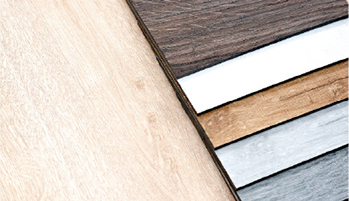
Chipboard sheets with pre-applied laminate provide a decorative finish. This style offers a polished look while retaining chip board’s durability.
Key Installation Tips for Chip Board
Proper installation maximizes chip board’s performance. Follow these steps for the best results:
1. Accurate Measurements
Measure surfaces carefully to ensure precise cuts. This minimizes material waste and ensures a neat finish.
2. Use the Right Tools
A circular saw with fine-toothed blades creates clean edges on chip board. Secure sheets with clamps during cutting to prevent shifting.
3. Reinforce Edges
Apply edge banding to exposed edges to improve durability. This step protects chip board from moisture and prevents chipping.
4. Secure Fixings
For stable installations, use screws or wood glue designed for chip board. Ensure fixings penetrate deeply for a firm hold.
5. Proper Sealing
For improved moisture resistance, apply varnish, paint, or laminate. Laminated chipboard eliminates the need for additional sealing in certain environments.
Caring for Chip Board Furniture and Fixtures
Well-maintained chip board extends its lifespan. Follow these care tips to keep your chip board items in top condition:
1. Regular Cleaning
Wipe chip board surfaces with a soft, damp cloth. Avoid abrasive sponges or harsh chemicals to prevent surface damage.
2. Moisture Control
Since chip board is susceptible to moisture, avoid placing it in damp areas without proper sealing. Laminated chipboard is ideal for high-humidity spaces.
3. Protective Coating
Applying a clear protective coat enhances durability. This is especially helpful for chip board furniture that undergoes regular use.
4. Prevent Heavy Impact
Chip board performs well under regular loads, but avoid placing excessive weight on unsupported areas to prevent bending or cracking.
Environmental Impact and Sustainability
Chip board offers eco-friendly benefits due to its sustainable manufacturing process. Many chip board products are made from recycled wood particles, reducing waste and promoting resource efficiency.
Manufacturers often use wood shavings, sawdust, and timber scraps to create chip board. This reduces the demand for new timber, making chip board an environmentally conscious option. When choosing chipboard sheets, look for certifications such as FSC (Forest Stewardship Council) or PEFC (Programme for the Endorsement of Forest Certification) to ensure responsible sourcing.
Common Mistakes to Avoid When Using Chip Board
Even experienced builders can face issues with chip board. Avoid these common mistakes for better outcomes:
1. Ignoring Moisture Protection
Unsealed chip board can absorb moisture, leading to swelling. Always apply protective coatings in humid environments.
2. Using Incorrect Fasteners
Standard nails may weaken chip board’s structure. Use specialized screws designed for engineered wood to ensure secure assembly.
3. Overloading Shelves
Chip board offers excellent strength, but excessive weight can cause bending. Reinforce chipboard shelves with additional support when storing heavy items.
4. Inadequate Edge Protection
Exposed chipboard edges are prone to chipping. Edge banding or laminated chipboard helps prevent damage.
How to Cut and Shape Chip Board Effectively
Working with chip board requires the right techniques for clean results. Follow these tips for cutting and shaping:
1. Mark Cutting Lines Clearly
Use a pencil and ruler to create accurate guidelines before cutting.
2. Choose the Right Saw Blade
A fine-toothed blade reduces splintering during cutting. For straight cuts, a circular saw provides precision.
3. Support the Board
Place chip board on a stable surface and secure it with clamps to prevent movement.
4. Sand the Edges
After cutting, sand the edges smoothly to remove rough patches. This creates a polished finish.
Best Practices for Painting and Finishing Chip Board
Chip board offers a smooth base for decorative finishes. Follow these steps for professional results:
1. Clean the Surface
Wipe away dust or debris before applying paint or varnish.
2. Prime the Surface
A suitable primer improves paint adhesion and prevents blotching.
3. Apply Paint Evenly
Use a roller or brush to achieve a smooth finish. Multiple thin layers provide better coverage than one thick coat.
4. Seal for Protection
A clear sealant protects painted chip board surfaces from scratches and moisture.
Chip Board in Commercial Spaces
Businesses often use chip board for budget-friendly, durable solutions. Popular applications include:
- Display stands and shelving units for retail stores
- Office partitions and desks
- Exhibition booths and trade show setups
- Packaging for fragile items in bulk transport
Chipboard panels provide excellent support for commercial fixtures while maintaining a professional appearance.

Chip board is a reliable, cost-effective material for furniture, shelving, and interiors
Chip board is an outstanding solution for cost-effective and practical projects. Whether building furniture, crafting displays, or improving home interiors, chip board provides excellent durability at an affordable price. Paired with laminated chipboard or MDF board, it enhances design possibilities while ensuring strength.
For your next project, trust chip board to deliver sturdy results without compromising your budget. Its eco-friendly qualities, ease of use, and versatile design options make it a top choice for builders, designers, and DIY enthusiasts alike.