


Birch Plywood Sheets Raise Quality
What Are Birch Plywood Sheets?
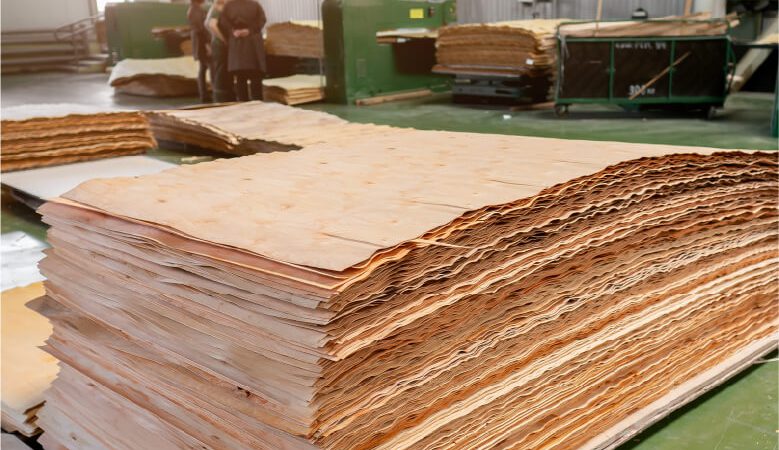
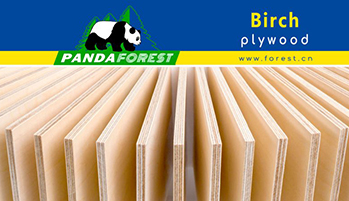
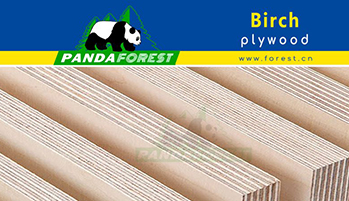
Birch Plywood sheets refer to layered wood panels manufactured from thin birch veneers. Each layer’s grain faces a perpendicular direction, boosting strength and reducing warping. Birch itself is prized for its even texture and subtle, pale color. Many builders admire these sheets for their consistent density and minimal defects. Strong adhesives bond the layers under heat and pressure, ensuring durability. This composition resists bending and supports heavier loads than some comparable products. Numerous consumers prefer birch for fine furniture and cabinetry due to its smooth surface. Finishes, such as varnish or paint, adhere neatly to the top veneer. Birch plywood sheets typically arrive in standard dimensions. The uniform structure streamlines cutting and installation tasks. Whether for framing or decorative uses, these sheets deliver stability and a polished appearance. Their balanced composition makes them versatile and widely appealing to those seeking a reliable option in woodworking and construction.
Foundations of Birch Plywood Sheets
Birch plywood emerges from thin, carefully arranged veneers. Each layer is oriented at right angles. This interlaced pattern boosts resistance to splitting. Manufacturers rely on sophisticated presses to bond sheets under heat. That process creates robust panels that rarely warp. Many appreciate the wood’s pale shade. It delivers a clean, refined look. These sheets hold great appeal for cabinetry. Builders admire their uniform surfaces. That smoothness supports neat edges upon cutting. Marine plywood also features layered construction. However, birch excels in interior applications, thanks to its subtle veneer. Homeowners notice how consistent coloring suits modern decor. The balance of form and function sets birch plywood apart. It remains a mainstay in countless projects.
How Birch Compares with Hardwood Plywood
Many refer to hardwood plywood for sturdy builds. Birch technically falls under the hardwood category. Yet, species like oak or maple have distinct traits. Birch stands out for fine grain and a softer hue. The layering approach reduces natural wood flaws. The top veneer reveals minimal knots, if any. By contrast, certain hardwood panels feature heavier textures. They might require extra sanding or finishing. Birch plywood, on the other hand, often demands fewer surface preparations. That can reduce labor expenses. Some consumers weigh plywood cost before making a choice. Birch sits in a middle range for price. Rare species can be pricier. Still, the reliable performance and appealing look justify each purchase.

The Role of Plywood Thickness in Projects
Correct plywood thickness impacts structural integrity. Thicker sheets withstand heavier loads. They minimize flexing in floors or large cabinets. Conversely, thinner sheets suit lightweight assemblies. Birch plywood arrives in various thicknesses, from minimal millimeters to robust panels. Selecting the right dimension is crucial. Furniture makers often choose moderate thickness. That balances strength with manageable weight. Architectural builds might require denser boards for flooring. Thicker layers resist compression and wear. Even so, birch plywood’s strength-to-weight ratio remains impressive. The lathe-bonded veneers distribute force evenly. This composition helps counters heavy usage. Builders appreciate how birch holds screws or nails. In the end, thickness must match the intended purpose.
Crafting Furniture Plywood with Birch
Furniture plywood must look smooth and stay sturdy. Birch plywood fits this role admirably. Its light color offers design flexibility. Stains and paints adhere without fuss. Cabinet doors and drawers benefit from the uniform grain. Sanding is often minimal. Craftsmen note how edges rarely splinter when cut. That simplifies joinery and edging tasks. Shelves made from birch handle everyday weight without warping. Many homeowners appreciate the refined appearance. Chairs or tables constructed from birch plywood feel stable. They also retain an upscale look at a moderate cost. The layers beneath the surface are rarely visible. That hidden structure supports daily use and frequent movement. Over time, birch’s consistent strength proves its worth.
Assessing Plywood Cost and Value
Every project includes budgeting concerns. Consumers weigh plywood cost carefully. Birch plywood’s price varies based on thickness and grade. Premium grades showcase flawless veneer. They cost more but reduce finishing efforts. Lower grades might reveal tiny blemishes, but remain durable. Even so, birch consistently presents good value. The natural beauty often eliminates extra painting or covering. Commercial buyers might secure volume discounts. That helps keep overhead manageable. In contrast, exotic hardwood panels can be more expensive. Meanwhile, typical softwoods may lack birch’s refined look. The choice hinges on each job’s scope. Many find that birch plywood sits in a sweet spot. It couples affordability with reliability. Over time, satisfied users consider it a wise investment.
The Appeal of Veneer Plywood
Veneer plywood involves layering thin wood slices. Birch veneer stands out for even color and grain. This veneer forms the visible face of each panel. It offers a polished feel at a reasonable cost. Some versions feature thicker face veneers, boosting durability. Others carry specialized treatments for extra moisture protection. Compared to solid birch boards, veneer plywood is less prone to warping. The cross-laminated core resists cracks. Many interior designers favor veneer surfaces for a modern look. Tables, wall panels, and shelves shine under a clear coat. That protective layer accentuates the natural patterns. Birch plywood sheets with premium veneer remain popular in upscale renovations. They blend elegance with practicality.
Evaluating Marine Plywood for Moist Conditions
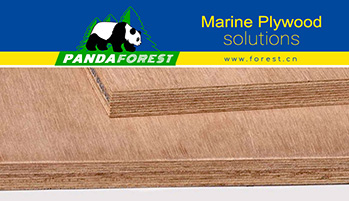
Marine plywood guards against swelling or delamination. It uses waterproof glue and higher-grade veneers. Birch plywood is primarily for indoor or moderate settings. Still, some birch variants undergo water-resistant treatments. Projects with constant dampness may demand true marine panels. For bathrooms or kitchens, select birch sheets with sealed edges. Proper finishing prevents moisture from seeping in. Many boat makers rely on marine-grade boards. They don’t always choose birch due to saltwater exposure. That said, birch’s structural design remains robust for typical interior humidity. Using protective coatings extends its lifespan. Each environment dictates the best plywood choice. Weighing location, usage, and potential wetness helps confirm the right fit.

Installing Birch Plywood Sheets with Precision
Installation success hinges on careful measurements. Birch plywood edges can be fragile if forced. Mark lines meticulously before cutting. Fine-tooth saw blades minimize tear-out. Support the sheet to avoid splintering. Drilling pilot holes for screws reduces splitting. Placing edges flush ensures tight seams. In decorative jobs, consistent alignment is crucial. For floors, verify subfloor evenness. Sagging surfaces create gaps and creaks. Light sanding after installation refines edges. Some builders apply a sealant to guard the top veneer. Birch’s surface readily accepts finishes. That quick absorption can speed up painting. Each step secures a polished, lasting outcome. Skilled handling reveals birch’s best qualities.
Furniture Plywood vs. Solid Wood
Consumers compare furniture plywood to solid boards. Solid birch can be expensive and might warp over time. Birch plywood includes cross-laminations to reduce movement. This stability is crucial for doors or large panels. Solid planks can crack if humidity shifts. Plywood’s layered core stands firm through seasonal changes. It also uses fewer overall resources. Manufacturers produce many sheets from each log. That efficiency may lower plywood cost. Solid wood’s beauty is undeniable, yet plywood has near-equal appeal. Its surface can mimic the look of solid timber. With proper finishes, birch plywood sheets match high-end aesthetics. Many carpenters appreciate the balance of resourcefulness and quality.
Choosing the Right Plywood Thickness
Projects differ in scope. Home renovations might need thicker boards for load-bearing floors. Light partitions might only call for moderate thickness. Birch offers varied thicknesses to suit each role. Check local building codes to see minimum standards. Thicker sheets can handle heavier foot traffic. They also reduce squeaks. On the other hand, thin panels trim weight in overhead installations. Some DIY enthusiasts prefer mid-range thickness. That ensures structural security without adding bulk. A quick consultation with professionals confirms best practices. Considering usage patterns guides correct thickness selection. Once installed, birch plywood stands up to everyday stress.
Handling Large Birch Panels Safely
Big projects may require full-sized panels. Birch sheets can span wide surfaces with fewer seams. Proper lifting techniques prevent damage. Support the sheet’s center and edges equally. Having an extra pair of hands helps. Clear the workspace to avoid obstructions. Birch veneers can chip if panels strike corners. Store each sheet flat and away from moisture. High humidity might cause minor expansion. Keep them stacked neatly for airflow. Contractors often use rolling carts to shift large loads. This reduces strain on workers. Cutting large panels requires precise measurement. A track saw ensures straighter lines. Safe handling preserves quality through every stage.
Enhancing Aesthetics with Birch Plywood Sheets
Designers appreciate the pale sheen of birch. It lends warmth to modern or rustic styles. Wall cladding with birch plywood sheets adds a gentle glow. Sanding edges creates a seamless look. The even grain simplifies staining or painting. Some prefer a clear coat to reveal the wood’s innate charm. A light varnish can intensify contrast in the growth rings. Birch pairs well with neutral or bold color palettes. Its subtle hue won’t clash with vibrant decor. Decorative grooves or patterns offer artistic flair. Custom cuts can feature angled shapes for accent walls. In bedrooms or offices, birch fosters a calm ambiance. Many view it as both practical and beautiful.
Refinishing and Maintenance Tips
Over time, any wood can lose luster. Birch surfaces may accumulate scratches or scuffs. Light sanding removes superficial marks. A new finish coat refreshes the veneer. Avoid harsh chemicals. Mild soap or gentle wood cleaners protect the surface. For bigger blemishes, fill gaps with wood putty. Once it dries, sand it even. Always follow the grain when sanding. Sealing edges guards against moisture. In damp zones, a waterproof sealant is wise. Monitor for signs of warping or cracking. Early fixes prevent bigger issues down the line. Routine care keeps birch panels looking pristine. Timely maintenance extends the material’s lifespan considerably.
Environmental Considerations and Sustainability
Birch resources often come from managed forests. Reputable suppliers follow eco-friendly standards. They aim to reduce logging impacts through responsible practices. Plywood production can yield more panels from fewer logs. That efficiency lowers raw material consumption. Some manufacturers hold certifications like FSC. This label confirms sustainable sourcing. Consumers may seek adhesives with reduced formaldehyde. Many current products adopt healthier resins. This shift benefits indoor air quality. Birch trees grow relatively fast compared to some hardwoods. That makes them a more renewable option. By choosing ethical brands, builders support forest preservation. Over the long term, birch plywood sheets embody a balanced blend of utility and care for nature.
Comparisons with Other Panel Options
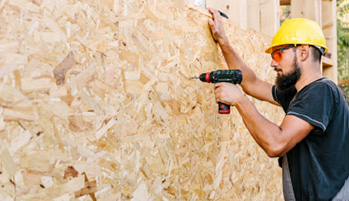
Builders often debate OSB vs. birch plywood. OSB (Oriented Strand Board) is cheaper, but it lacks birch’s refined face. Veneer plywood with other species may be pricier. Birch sits at a crossroads of quality and cost. Marine plywood holds an edge in moisture-heavy locations. However, birch remains ideal for standard indoor jobs. Hardwood plywood runs a wide spectrum. Some hardwoods eclipse birch in density. Yet those can be trickier to machine. Softwoods are lighter, but may dent more easily. In each comparison, birch stands out for smoothness. People appreciate the ease of painting or staining. Clients seeking beauty without a huge budget often pick birch plywood sheets. This pragmatic choice combines form and function efficiently.
Innovative Uses in Modern Architecture
Birch plywood transcends basic carpentry. Architects integrate it into large-scale designs for natural ambiance. Curved installations rely on thin, flexible sheets. Custom bending forms elegant shapes in lobbies or halls. Light bounces off its pale surface, brightening interiors. Partition walls add warmth and texture to office spaces. Public areas sometimes feature birch for benches or decorative panels. The material’s stable composition supports creative experiments. Complex joinery or layered motifs remain feasible. Some designers treat it with tinted stains for unique colorways. This approach highlights the wood grain while adding personality. Thanks to cross-lamination, these panels rarely twist. Modern architecture embraces birch plywood for its consistent results.
Working with Birch in DIY Projects
Home enthusiasts often tackle smaller tasks. Birch panels are user-friendly for shelves or accent pieces. Mark the cut lines in pencil for clarity. Clamp the sheet securely during sawing. Wear protective gear against dust. Start with slow, steady passes to reduce splintering. Smoothing the edges with fine-grit sandpaper ensures a neat finish. For finishing, test a sample piece. Observe how the stain or paint dries. This prevents surprises on the main project. Simple brads or screws suffice for secure joints. Countersinking them leaves the surface flush. If you plan furniture, measure carefully. Balanced cuts save material and money. That attention pays off in polished final pieces.
Potential Pitfalls and How to Avoid Them
Inconsistent humidity can affect birch plywood. If one side faces moisture, warping might occur. Sealing both faces helps maintain equilibrium. Storing sheets upright for extended periods may cause bending. Keep them flat if possible. Cutting corners too quickly can create jagged edges. Slow down to preserve the veneer’s integrity. Over-tightening screws may split the layers. Pre-drilling holes prevents damage. Remember to factor in plywood thickness when planning gaps or fittings. Using the wrong adhesive can weaken bonds. Choose a glue that suits wood-based panels. Finally, always confirm dimensions. Miscalculations lead to extra cuts and wasted stock. With basic caution, major problems are avoidable.
Market Trends and Shifting Preferences
Interior design evolves constantly. Lighter, natural elements have gained popularity. Birch plywood sheets fit that trend seamlessly. Clients request minimalist looks with subtle wood patterns. Designers value how birch balances neutrality and warmth. The global market sees growing demand for specialized finishes. Manufacturers respond with more veneer styles. Some offer UV coatings that resist fading. Others develop anti-scratch surfaces. Eco-conscious buyers drive interest in ethically sourced materials. Builders choose products with low VOC glues to enhance indoor air. Birch stands in a favorable position. It remains cost-effective compared to premium woods. Advancements in production may continue to lower environmental impacts. Overall, the future looks bright for this versatile option.

Why Birch Plywood Sheets Remain a Top Choice
Birch embodies a timeless appeal. Its uniform veneer looks clean and tasteful. Projects of every scale can leverage its stability. Furniture plywood ranges benefit from birch’s consistent layers. Plywood thickness variations meet different structural demands. Plywood cost remains manageable for most budgets. Birch’s flexible nature supports creative endeavors. Surfaces accept stains or paints with minimal fuss. Installation is straightforward, thanks to cross-lamination. Comparable materials may falter in visual quality. Meanwhile, hardwood plywood with exotic species can be costly. Birch strikes a harmonious balance. Homeowners, crafters, and professionals see enduring value. Each sheet embodies resilience and a straightforward finish. That reliability persists across changing styles and uses.
Birch Plywood Sheets Boost Craft
In conclusion, birch plywood sheets marry elegance and practicality. Their refined veneer adapts to indoor settings and decorative projects. Many rely on them for cabinetry, shelving, and furniture. Whether checking plywood thickness or monitoring plywood cost, birch remains a stable contender. From small DIY tasks to major architectural feats, this wood type performs admirably. Its cross-laminated layers resist warping and enhance load-bearing capacity. Finishes adhere well to the pale surface, cutting down on prep time. Overall, birch balances affordability, appearance, and structural dependability. As trends shift, these panels endure in popularity. They simplify complex builds and elevate simple tasks. For countless users, birch plywood stands as a benchmark for reliable, pleasing woodwork.