


Birch Plywood 3 4: Strength, Thickness & Versatility Explained
What is Birch Plywood 3 4?
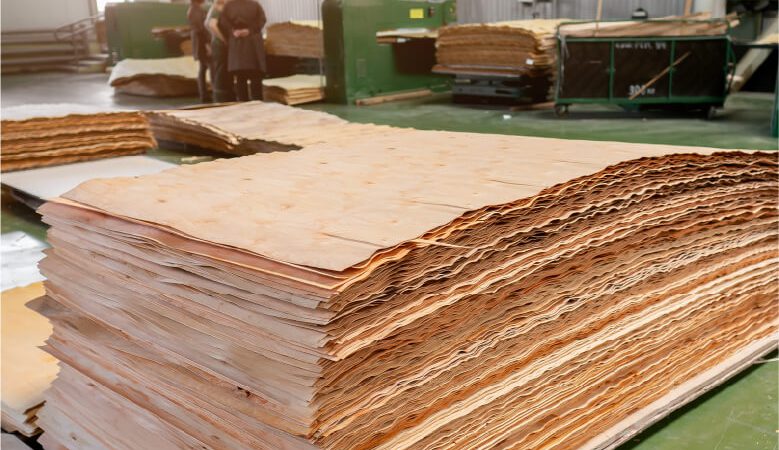
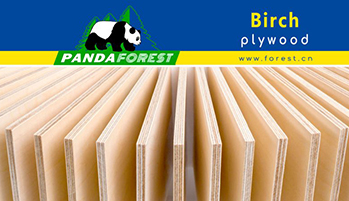
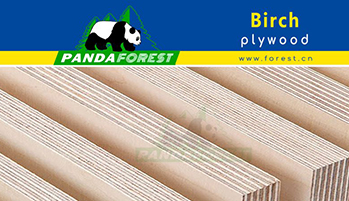
Birch Plywood 3/4 is a type of engineered wood made from thin layers of birch veneer that are glued together under heat and pressure. The “3/4” in its name refers to the thickness of the plywood, which measures approximately 18mm. Birch plywood is known for its fine grain, smooth texture, and strong durability, making it a preferred choice for many applications, particularly in the furniture and construction industries.
The plywood’s unique composition provides strength while maintaining a lightweight structure, which is crucial for both functional and aesthetic applications. Its high resistance to wear, ease of finishing, and smooth surface make it ideal for both visible and hidden components of furniture and cabinetry.

Key Benefits of Birch Plywood 3 4
Durability and Strength
One of the primary reasons to choose birch plywood 3/4 is its exceptional durability and strength. Due to its layered construction, the plywood has superior stability, which makes it less prone to warping compared to solid wood alternatives. This strength is vital when used for structural applications such as flooring, shelving, or heavy-duty furniture.
Its robust nature also makes birch plywood ideal for construction applications, where it needs to bear weight or resist stress over time. Whether used for Wall Paneling or as part of a cabinet structure, birch plywood 3/4 ensures that the finished product will maintain its integrity.
Aesthetic Appeal
In addition to its functional strength, birch plywood has a fine, smooth grain pattern that adds to its visual appeal. This is particularly important when the material is exposed in furniture-making or interior design. Unlike other plywood types, which may have a rougher texture or more visible knots, birch plywood has a clean, uniform surface that accepts paint, stain, or varnish beautifully.
The natural light color of birch also enhances its suitability for contemporary and modern designs. Whether you are building minimalist furniture or high-end cabinetry, birch plywood’s sleek look makes it a top choice.

The Role of Thickness in Birch Plywood 3 4
Why Thickness Matters
The thickness of birch plywood 3/4, at approximately 19mm, plays a crucial role in determining its performance in different applications. The thicker the plywood, the more it can support weight and resist bending or warping. In comparison to thinner plywood options, 3/4-inch birch plywood is particularly suitable for projects requiring structural stability.
For example, when used in flooring, cabinetry, or heavy shelving, the thickness of birch plywood ensures that the structure remains stable and durable. Additionally, 3/4-inch plywood allows for stronger joint connections and better screw retention, which further enhances the overall durability of the product.
How Thickness Affects Weight
While birch plywood 3/4 is significantly stronger and more durable than thinner options, it does come with added weight. This is important to consider when working with large panels or when transporting materials. The added weight may require additional handling equipment or more labor during installation, but it ensures that the plywood can withstand the stresses it will encounter during its lifetime.
Birch Plywood 3 4 vs. Other Types of Plywood
Birch vs. Pine Plywood
When comparing birch plywood 3/4 to pine plywood, it’s clear that birch offers superior strength and durability. Pine plywood is a more affordable option but lacks the same stability and resistance to warping that birch plywood possesses. While pine plywood can be a good choice for budget-conscious projects or those requiring lighter material, birch plywood is far superior in terms of load-bearing capabilities and longevity.
Additionally, pine plywood tends to have a more pronounced grain and visible knots, which may not be desirable for projects where aesthetics are important. Birch plywood, on the other hand, has a smoother, more uniform appearance that is ideal for projects where a clean, polished finish is required.
Birch vs. Oak Plywood
Oak plywood, like birch plywood, is a hardwood option, but it is generally heavier and denser than birch. While oak provides excellent strength and resistance to wear, its density can make it harder to work with, especially for large-scale projects. Birch plywood 3/4 offers a balance between strength and weight, making it easier to handle without compromising on performance.
Oak plywood also tends to have a more pronounced grain pattern, which may not be suitable for all designs. Birch plywood, with its finer grain and lighter color, often provides a more modern, contemporary aesthetic. Additionally, oak plywood is usually more expensive than birch, making birch plywood a more cost-effective choice for many projects.
Applications of Birch Plywood 3/4
Ideal Uses in Furniture Making
Birch plywood 3/4 is often used in furniture-making, particularly for pieces that require both strength and visual appeal. It is commonly used for crafting bookshelves, cabinets, tables, and even flooring. The smooth finish of birch plywood allows for a high-quality paint or stain application, which is particularly important when creating visible furniture components.
Its sturdy nature makes it an excellent choice for load-bearing furniture pieces, while its aesthetic properties make it suitable for high-end custom furniture designs. Whether you are building a contemporary dining table or a functional bookshelf, birch plywood 3/4 provides the necessary strength and finish quality.
Construction and Interior Design Applications
In addition to furniture, birch plywood 3/4 is frequently used in the construction industry. It is commonly used for subflooring, wall panels, and ceiling applications where both strength and appearance matter. Birch plywood’s resistance to wear and ease of finishing make it an excellent choice for interior design projects such as paneling or cabinetry.
Due to its robustness, birch plywood is also used in applications like door panels, framing, and decking, where its strength helps support heavy loads or withstand the stresses of daily use.
Choosing the Best Birch Plywood 3 4
Key Factors to Consider
When selecting birch plywood 3/4 for your project, several factors should be taken into account to ensure you choose the best material for your needs:
Grade of Plywood: Higher-grade birch plywood will have fewer defects, making it more suitable for visible projects. Grades range from A (highest quality) to D (lowest quality). For furniture or other aesthetic applications, it’s best to choose an A-grade plywood.
Plywood Source: Ensure that you are purchasing plywood from reputable suppliers who provide high-quality, sustainably sourced materials.
Finish and Treatment: Consider whether the plywood has been treated for moisture resistance or other special properties. For projects that will be exposed to moisture, such as bathrooms or kitchens, a moisture-resistant plywood is recommended.
Cost Considerations: While birch plywood 3/4 is generally more expensive than pine or MDF plywood, it offers superior quality and durability. Always weigh the price against the long-term value it offers for your project.

Birch Plywood 3 4 is a High-Quality Building Material
Birch plywood 3/4 is a high-quality, durable material ideal for a range of applications, from furniture making to construction. Its strength, stability, and aesthetic appeal make it a top choice for professionals and DIY enthusiasts alike. Whether you’re building custom furniture, designing interiors, or tackling heavy-duty construction projects, birch plywood 3/4 provides the perfect balance of functionality and beauty. By understanding its key benefits, thickness, and applications, you can make informed decisions for your next woodworking or construction project.