


8x4 Plywood Sheets: A Reliable Choice for Construction and DIY
What are 8x4 Plywood Sheets?
8x4 plywood sheets, also known as 4x8 Plywood or sheet of plywood, are a standard size in the plywood industry and have become a staple for both construction professionals and DIYers. Measuring 8 feet by 4 feet (2440mm x 1220mm), these sheets provide ample coverage for large-scale projects while maintaining a manageable size that can be easily transported and handled.
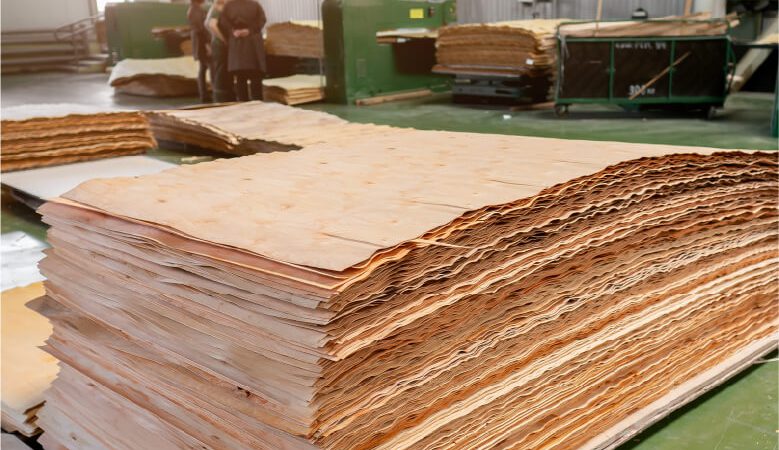
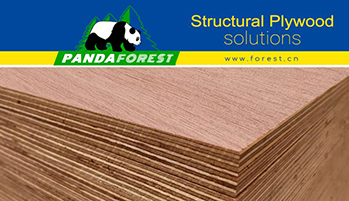
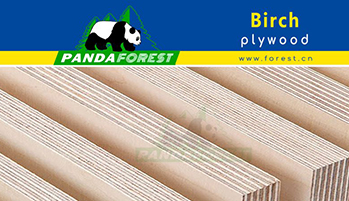
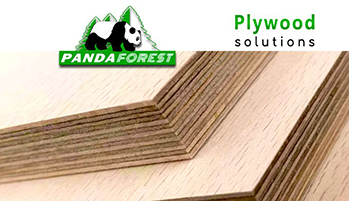
Plywood sheets are composed of thin layers of wood veneer, which are glued together in alternating directions. This cross-grain construction gives the plywood its strength, ensuring it remains stable and resistant to warping. This makes it an ideal choice for a variety of applications, ranging from structural support in building projects to crafting fine furniture.
The 8x4 plywood size is available in various thicknesses and grades, allowing for flexibility in choosing the right sheet for a specific project. Whether you need a strong, moisture-resistant sheet for exterior work or a smooth, decorative surface for interior furniture, plywood offers an affordable and durable option.

The Strength and Stability of 8x4 Plywood Sheets
One of the key advantages of using 8x4 plywood sheets is their strength and stability. The construction of plywood ensures that each layer reinforces the other, resulting in a highly durable material that is less prone to cracking, splitting, or warping compared to solid wood. This makes plywood an ideal choice for applications where long-lasting strength is required.
The large size of these plywood sheets also contributes to their stability. With fewer joints needed between sheets, there is less potential for movement or shifting over time, which is particularly important in flooring and wall panel applications. The 8x4 format allows for fewer seams, which results in a smoother, more continuous surface.
4x8 Plywood for Structural Applications
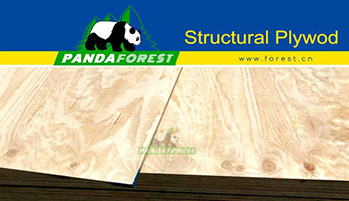
In construction, 4x8 plywood is commonly used as a structural material in framing and sheathing. It is often used to cover large surfaces, such as walls, roofs, and subfloors, providing a solid, stable foundation. Because of its strength and durability, 4x8 plywood is particularly well-suited for areas that experience heavy loads or high traffic, such as flooring in homes or commercial buildings.
For roofing applications, plywood sheets provide a strong base for shingles or other roofing materials. Their resistance to moisture, when properly treated, helps protect the roof structure from damage due to weather conditions. Additionally, plywood sheets are easier to install than other materials due to their size, which reduces the number of seams that need to be sealed against moisture intrusion.
Plywood 4x8 for Interior Finishing
Plywood 4x8 sheets are also popular in interior design projects. For instance, they are commonly used for wall paneling, creating a sleek, uniform look that can be painted, stained, or left in its natural state depending on the desired finish. The smooth surface of plywood makes it easy to work with for decorative purposes, allowing it to be used in furniture-making, cabinetry, and shelving.
One of the reasons plywood is preferred for interior applications is its affordability compared to solid wood. While it mimics the look of wood, it costs significantly less, making it a budget-friendly option for homeowners looking to renovate or furnish their space without compromising on aesthetics.
Versatility and Applications of 8x4 Plywood Sheet
8x4 plywood sheets are not limited to construction. Their versatility extends to a variety of other uses, including DIY projects, furniture making, and even temporary structures. The plywood's ability to be easily cut, shaped, and joined makes it a favorite material for those who enjoy crafting or building their own projects at home.
DIY Projects with Plywood Sheets
For DIY enthusiasts, 8x4 plywood sheets are the perfect material for a wide range of home improvement projects. They can be used to build bookshelves, tables, bed frames, and even garden structures such as sheds or planter boxes. Their large size allows for efficient use of material, and the sheets can be easily cut down to the desired dimensions with basic woodworking tools.
Because plywood sheets come in various grades, DIYers can choose the level of quality that best suits their needs. For instance, higher-grade plywood with fewer knots and imperfections is ideal for projects that require a smooth, finished look, while lower-grade plywood is sufficient for structural projects where appearance is less important.
4x8 Plywood for Flooring and Subflooring
Another popular use for 4x8 plywood is in flooring applications. Plywood is often used as a subfloor, providing a strong, stable base for the final flooring material. Whether it's hardwood, laminate, or tile, plywood ensures that the finished floor is even and properly supported.
For those installing new floors, plywood sheets are easy to work with due to their size. One sheet can cover a large area, reducing the number of seams and making the installation process quicker and more efficient. Additionally, plywood's resistance to moisture makes it an excellent choice for subfloors in bathrooms, kitchens, and other areas where water exposure is a concern.

Types of 8x4 Plywood Sheets
Not all plywood sheets are created equal, and the type of plywood you choose can make a significant difference in the outcome of your project. Plywood is available in various grades and types, each suited to different applications.
Softwood vs. Hardwood Plywood
The two primary types of plywood are softwood and hardwood plywood. Softwood plywood is typically made from coniferous trees such as pine, fir, or spruce. This type of plywood is generally used for construction purposes, such as sheathing, roofing, or subflooring, where strength and durability are more important than appearance.
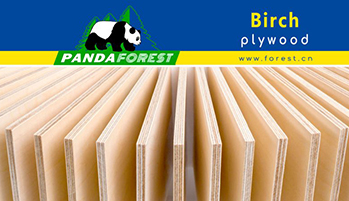
Hardwood plywood, on the other hand, is made from deciduous trees like birch, oak, or maple. This type of plywood is often used in furniture-making and interior finishing projects, as it offers a smoother, more refined surface. Hardwood plywood is also more resistant to wear and tear, making it ideal for high-traffic areas or furniture that will see regular use.
Moisture-Resistant and Marine-Grade Plywood
For projects that will be exposed to moisture, such as outdoor structures or bathroom flooring, moisture-resistant or marine plywood is essential. These types of plywood sheets are treated to withstand water exposure, preventing the wood from warping, rotting, or delaminating over time.
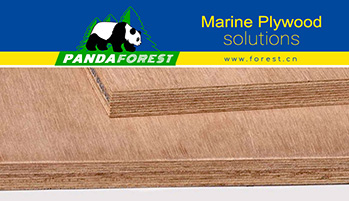
Marine grade plywood, in particular, is designed for use in areas with high humidity or direct water exposure, such as boats, docks, or exterior building structures. It is made with waterproof glue and is often treated with additional chemicals to enhance its resistance to moisture.
The Environmental Impact of Plywood
In recent years, there has been growing concern about the environmental impact of construction materials, including plywood. Fortunately, plywood is considered to be one of the more eco-friendly options available.
Sustainable Forestry Practices
Many plywood manufacturers source their wood from forests that are managed using sustainable practices. These practices ensure that trees are replanted and that the overall biodiversity of the forest is maintained. By choosing plywood made from responsibly sourced wood, builders and consumers can help reduce the negative environmental impacts associated with deforestation.
Additionally, plywood's construction process is highly efficient. Unlike solid wood, which requires large pieces of timber, plywood is made from thin veneers, maximizing the use of each tree and minimizing waste. This makes plywood a more sustainable option for projects that would otherwise require large quantities of solid wood.
Recycling and Reusability
Plywood is also highly reusable and recyclable. When plywood sheets are no longer needed for their original purpose, they can often be repurposed for other projects or broken down and recycled into new wood products. This extends the lifecycle of the material and reduces the amount of waste sent to landfills.
Working with 8x4 Plywood Sheets: Ease and Flexibility
One of the main reasons 8x4 plywood sheets are so popular among builders and DIY enthusiasts is their ease of use. Whether you are an experienced contractor or a weekend warrior working on a home improvement project, plywood sheets are forgiving, versatile, and easy to manipulate.
Cutting and Shaping 8x4 Plywood Sheets
Plywood sheets can be cut to size using a variety of tools, from a handheld circular saw to a jigsaw for more intricate cuts. The cross-grain structure of plywood provides stability during the cutting process, reducing the likelihood of splintering or warping as you work. For those who need precise cuts, a table saw can help achieve a clean, straight line.
Another advantage of plywood is that it is available in various thicknesses, which makes it adaptable to different needs. Thicker sheets, such as 18mm plywood, are ideal for applications where strength is critical, such as in load-bearing structures. Thinner sheets, like 8mm or 12mm plywood, are better suited for lighter projects, such as furniture making or wall paneling.
Joining and Fastening Plywood Sheets
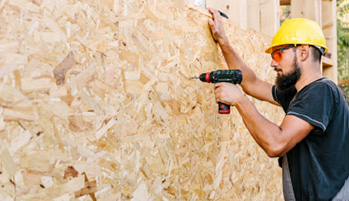
The process of joining plywood sheets is straightforward, with several options depending on the specific application. For structural projects, screws or nails are commonly used to secure the sheets. To prevent the plywood from splitting, it is recommended to pre-drill holes, especially when using screws. Wood glue can also be applied to enhance the bond between sheets or between plywood and other materials.
If you're using plywood for decorative purposes, there are a variety of fasteners designed to maintain the aesthetic of the finished piece. For example, wood putty can be used to fill nail or screw holes, creating a smooth, uniform surface ready for painting or staining.
Finishing and Sealing 8x4 Plywood Sheets
The surface of plywood is naturally smooth, which makes it an excellent candidate for finishing. Depending on the project, plywood sheets can be painted, stained, or varnished to achieve the desired look. Before applying any finish, it's essential to sand the plywood to smooth out any rough edges or surface imperfections. A fine-grit sandpaper will create a polished finish, particularly on higher-grade plywood.
Painting Plywood for Interior Projects
For interior projects like cabinetry or wall paneling, painting plywood is a cost-effective way to achieve a clean, professional appearance. Before painting, it's recommended to apply a primer to ensure the paint adheres evenly to the surface. The primer also helps to seal the wood, preventing moisture from penetrating the surface and extending the lifespan of the plywood.
Staining Plywood for a Natural Look
Staining is another popular option for finishing plywood, particularly for projects where a natural wood look is desired. When staining, the grain of the plywood becomes more pronounced, giving the project a high-end, custom appearance. Plywood with a hardwood veneer, such as birch or oak, is often used for projects where staining is preferred.
Sealing for Outdoor Use
For outdoor projects, sealing plywood sheets is critical to protect them from the elements. A high-quality wood sealant or waterproof varnish can help prevent water from penetrating the wood, which could cause warping, swelling, or rotting. If you're using plywood for a structure like a shed, deck, or outdoor furniture, it’s essential to apply multiple coats of sealant to ensure maximum protection.
Common Grades of 8x4 Plywood Sheets
Plywood is graded based on the quality of its veneer and the number of visible imperfections on the surface. The grade of plywood you choose will depend on your project's requirements for both appearance and functionality.
A-Grade Plywood
A-grade plywood is the highest quality, with a smooth, knot-free surface that is ideal for applications where appearance matters. This grade of plywood is often used for cabinetry, furniture, and wall paneling, as it provides a clean finish that can be easily stained or painted.
B-Grade Plywood
B-grade plywood has some minor imperfections, such as small knots or filled-in holes, but is still suitable for applications where the surface will be visible. It's commonly used for projects like shelving or basic furniture construction, where a slightly rustic appearance is acceptable.
C-Grade and D-Grade Plywood
C- and D-grade plywood are more affordable options and are typically used for structural purposes where the appearance of the surface is not a concern. These grades often have visible knots, patches, and other imperfections but are still strong and durable enough for applications like subflooring, roofing, and wall sheathing.
The Cost-Effectiveness of 8x4 Plywood Sheets
One of the most significant advantages of using 8x4 plywood sheets is their affordability. Compared to solid wood, plywood is a more budget-friendly option that doesn’t sacrifice durability or strength. This makes it an excellent choice for projects with tight budgets, such as home renovations, DIY furniture, or even large-scale construction projects.
The large size of 8x4 plywood sheets also reduces material waste. Since each sheet covers a substantial area, fewer sheets are needed to complete a project. This not only reduces costs but also minimizes the time and effort required to install the plywood.
Additionally, plywood sheets are widely available, meaning they can be easily sourced from most hardware or home improvement stores. Whether you need one sheet or several dozen, plywood is accessible and easy to work with, making it a convenient choice for both professionals and DIYers alike.

FAQs About 8x4 Plywood Sheets
Q: What are 8x4 plywood sheets commonly used for?
A: 8x4 plywood sheets are used for a variety of projects, including flooring, wall paneling, furniture, and structural applications like roofing and subflooring.
Q: How should 8x4 plywood be sealed for outdoor use?
A: To protect plywood sheets from the elements, apply a high-quality waterproof sealant or varnish. Multiple coats may be necessary for maximum protection.
Q: Can 8x4 plywood sheets be used for furniture making?
A: Yes, plywood sheets are commonly used for making furniture due to their strength, affordability, and smooth surface, which can be easily stained or painted.
Q: What is the difference between softwood and hardwood plywood?
A: Softwood plywood, made from trees like pine or fir, is typically used for construction purposes, while hardwood plywood, made from trees like birch or oak, is preferred for furniture and interior finishing.
Q: How do you prevent plywood from splitting when fastening?
A: Pre-drilling holes before inserting screws or nails will help prevent plywood from splitting, ensuring a secure and durable bond.