



8x4 plywood improving home projects
What Is 8x4 Plywood?
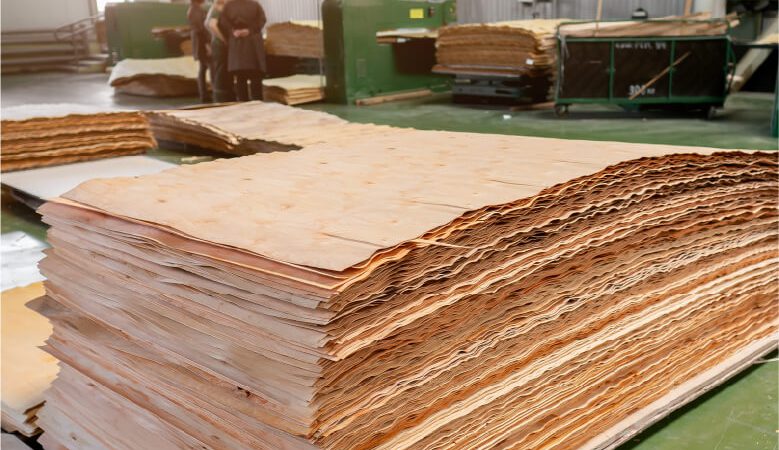
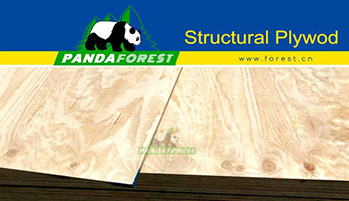
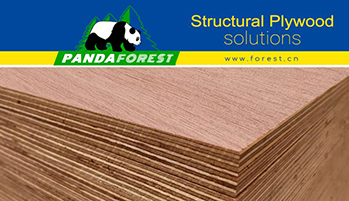
8x4 Plywood is a panel that measures eight feet by four feet. This flat board comprises thin layers of wood veneers pressed together with strong adhesives. Each layer is oriented so that wood grains alternate. That pattern promotes durability and resists warping. Manufacturers often select wood species like hardwood or softwood to form each sheet. The result delivers uniform thickness, appealing surfaces, and dependable structural strength. This size of plywood is widely employed in building frameworks, interior renovations, and do-it-yourself crafts. Its versatile nature supports multiple tasks, ranging from cabinet construction to roofing. Although it may seem straightforward, its design process involves meticulous layering that optimizes load-bearing capacity. The precise engineering behind these veneers helps lower material waste while expanding usage possibilities. Many appreciate 8x4 plywood for its balance between cost, availability, and performance. When chosen wisely, it can transform projects quickly and efficiently, meeting professional standards for durability.

Understanding the Basics of 8x4 Plywood
PlyWood Panels trace their origins to layered wood techniques. 8x4 plywood exemplifies that long tradition. It is a standard panel dimension that fits most construction layouts. Many builders rely on it for stable performance. Each slice of veneer adds to the board’s overall strength. Those thin layers, bonded with tough glue, help the sheet resist bending. This unique design process raises flexibility under stress.
Carpenters appreciate how easily these panels cut and fit. Precision tools can shape them into sections for floors or shelving. Such uniform sizing speeds up projects. This is particularly relevant when dealing with new structures. Homeowners also benefit from simpler repairs. They can trim a single 8x4 plywood panel to suit minor patchwork. Its consistent thickness reduces guesswork. When searching for plywood sheets, people often start with this format.
Strong adhesives keep the layered structure intact. Formaldehyde-free resins are an option for eco-conscious consumers. That choice can reduce harmful emissions. Each veneer layer may come from different wood species. Some favor hardwood surfaces for visible areas. Others rely on softwood layers hidden from view. This strategic approach balances cost and appearance. During manufacturing, producers rotate each layer’s grain. This cross-grain layout lowers expansion. It also helps control shrinkage, preserving panel stability.
Plywood thickness matters. Panels can be thinner for decorative tasks. Thicker panels serve heavy-duty loads. That choice influences cost and practicality. In each scenario, 8x4 plywood adapts to multiple demands. It accommodates everything from furniture building to large-scale construction. Throughout the supply chain, consistent standards keep product quality reliable. Many brands add stamps detailing specifications. That includes grade, type of adhesive, and recommended usage. When combined with proper installation, the result meets structural expectations.
Popular Uses Across Industries
Various fields embrace 8x4 plywood. Construction plywood is a prime example. These sheets often serve as subflooring. Contractors lay them under carpets, tiles, or hardwood flooring. The panels help distribute weight evenly. They also counteract minor foundation irregularities. In roofing, thicker grades provide a sturdy base for shingles. That stability safeguards against wind and moisture damage.
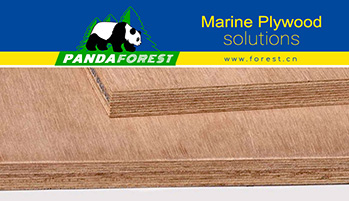
Furniture makers rely on 8x4 plywood for shelves and cabinets. Its flat, even surface simplifies assembly. The consistent thickness ensures flush edges and secure joins. In some instances, marine plywood becomes essential. That specialized product resists moisture intrusion. Boat builders and outdoor furniture designers value it. They trust that layered protection to ward off rot. Although 8x4 plywood remains popular, marine plywood stands apart for tougher jobs. However, both share the same fundamental layering concept.
Interior designers exploit 8x4 plywood for feature walls. They combine hardwood plywood faces for an elegant texture. Some prefer it for built-in wardrobes. Others customize it for decorative panels. This approach keeps costs manageable. It also produces a clean, modern appearance. In retail settings, display stands or counters often use 8x4 plywood. Shops appreciate that simple format, which helps them rearrange layouts quickly.
Diverse projects call for stable materials. That stability can reduce maintenance in the long run. Carpenters often cite plywood thickness as critical. Thinner grades suit smaller elements, like drawer bottoms. Thicker options can form structural frames. For complex layouts, multiple sheets of 8x4 plywood can be laminated together. That process raises load capacity without excessive cost.
Comparative Insights with Other Sheet Materials
Sheet goods come in various types. Particleboard and medium-density fiberboard (MDF) compete with 8x4 plywood in certain applications. They cost less, but their strength can be lower. MDF offers a smooth surface for painting. Yet, it may swell if exposed to moisture. That limitation can prompt consumers to pick 8x4 plywood instead. The plywood’s layered structure provides better dimensional stability.
OSB (Oriented Strand Board) is another alternative. It uses wood strands pressed together. It often finds use in roof decking or walls. OSB can be cheaper, but may not sand as neatly. For aesthetic projects, 8x4 plywood might be the go-to. Its smooth face veneer allows easy finishing. Builders weigh plywood prices against performance. In many scenarios, the difference is small when factoring long-term reliability. The balanced construction of 8x4 plywood helps control cracks or splits.
Another aspect is durability. 8x4 plywood demonstrates impressive resistance to bending. Some boards incorporate additional layers for extra rigidity. In humid areas, certain plywood variants resist warping. This advantage is relevant for bathrooms or kitchens. Marine plywood remains a top choice in consistently wet environments. By comparison, standard 8x4 plywood can handle moderate moisture, though not complete submersion. Each product fits a different niche. Choosing the right type depends on budget, function, and local conditions.
Examining Plywood Grading and Standards
Not all plywood is identical. Grading systems rank panels by surface quality and structural performance. High-grade faces show minimal knots and blemishes. They suit visible surfaces in furniture or cabinetry. Lower-grade faces contain more patches or repairs. These may suffice for subflooring, where aesthetics matter less. 8x4 plywood typically follows industry standards like A-A, A-B, or B-C. Each label marks the condition of the outer veneers.
Manufacturers also list glue bond classifications. Exterior-grade adhesives withstand weather exposure. Interior-grade glues suit indoor use. Understanding these distinctions can direct buyers to the right product. Some companies specialize in hardwood plywood, offering premium finishes. Others focus on cost-effective sheets that fill large orders. This variety meets the different demands of homeowners, developers, or craft enthusiasts.
Grade stamps typically appear on the reverse side of the sheet. They list the thickness, wood species, and compliance codes. Studying that information helps confirm quality. Reputable mills follow strict processes to maintain uniformity. When plywood thickness stays consistent, carpenters gain more reliable results. They can plan cuts and installations without unexpected variations. This reliability saves time and reduces waste. It also lowers project costs by minimizing errors.
Balancing Plywood Prices and Project Goals
Financial considerations drive many decisions. 8x4 plywood offers a range of price points. Buyers can choose basic softwood panels for economy. They can also select premium hardwood veneers at a higher cost. The total expense depends on quantity, quality, and shipping distance. For large builds, volume discounts can help. Smaller ventures might pay retail prices. Plywood prices can fluctuate with raw material availability. Seasonal demand might influence costs as well.
Comparisons with other sheet materials must account for longevity. Plywood often outlasts cheaper alternatives. Its layered design resists impact. That feature matters in busy homes or commercial spaces. By spending slightly more upfront, owners may avoid frequent replacements. Marine plywood can be pricey, but it delivers exceptional water resistance. If the project environment includes high humidity, it could be the safest bet. Builders weigh these factors when finalizing budgets.
Complex designs require consistent panel performance. Uneven boards might stall construction. Delays can increase labor charges. Cheaper products sometimes exhibit warping or hidden voids. That can compromise strength. The reliability of 8x4 plywood reduces risks. Even so, thorough inspection is advised before purchase. Quality control within the factory is one step. The buyer’s careful check is another. Selecting the right supplier often leads to better outcomes.

The Importance of Proper Installation Techniques
Even the best plywood needs correct handling. Builders should store 8x4 plywood in dry areas. That precaution prevents moisture absorption. Stacks must lie flat to reduce warping. Panels can be acclimated to the jobsite’s temperature. Sudden climate shifts may cause minor expansion or contraction.
Cutting demands sharp blades and stable work surfaces. Dull saws can splinter edges. Splintered corners weaken the panel. A zero-clearance insert on the saw can help. Taping the cut line also minimizes tear-out. For finishing, sanding each cut edge yields smoother results. Proper dust extraction keeps the workspace cleaner. That step matters for health and safety. Some adhesives and finishes produce fumes. Adequate ventilation is essential. Masks and gloves further protect workers, ensuring a safe process.
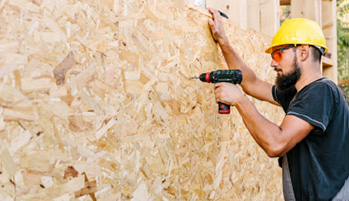
When attaching 8x4 plywood, fastener spacing is key. Screws should be properly sized. Overly long fasteners might split the sheet. Pilot holes can prevent splitting. It also helps to countersink screws for a flush surface. That technique ensures a clean look. Wood glue or construction adhesive can reinforce the bond. This step is especially important for load-bearing structures. Properly sealed joints will last longer, reducing squeaks or shifts.
Creative Interior and Exterior Applications
Inventive minds find diverse uses for 8x4 plywood. In small homes, it can serve as a decorative ceiling finish. Painted or stained, it offers a pleasing pattern. Some designers leave the wood grain visible. That rustic appeal brings warmth to living areas. Kitchen islands sometimes feature plywood panels. A simple protective coating guards against spills. Because the panels are uniform, installation is straightforward.
Outdoor enthusiasts use 8x4 plywood for sheds or workshops. The robust layering tolerates moderate weather. For extra protection, sealing compounds can be applied. Those coatings prolong the life of the plywood. Hard rains might still demand additional shelter. But for many climates, a sealed panel suffices. Children’s playhouses often rely on 8x4 plywood, too. Their parents appreciate the cost-effective nature. A bright coat of paint transforms a few sheets into a cheerful backyard hideout.
In landscaping, planters or raised beds can be formed with plywood sides. Proper sealing helps resist soil moisture. This approach speeds up garden projects. Backyard furniture or benches can also incorporate plywood. It can be shaped into curved forms by kerf cutting. That technique involves making strategic cuts for bending. The result can be functional or decorative. With marine plywood, garden features might endure wetter conditions. This choice gives homeowners more design freedom.
Eco-Friendly Considerations
Sustainable forestry practices matter to many buyers. Some suppliers source wood from responsibly managed forests. This ensures trees are replanted after harvesting. Product labeling, like FSC or PEFC, indicates compliance with such standards. 8x4 plywood made under these certifications supports reduced environmental impact. Another factor is the adhesive used. Low formaldehyde glues or soy-based resins release fewer pollutants. That can improve indoor air quality, especially in confined spaces.
Waste reduction is another benefit. Plywood production can utilize smaller diameter logs. By peeling thin veneers, mills maximize the wood yield. This efficient process converts more of the tree into usable panels. Additionally, leftover scraps often find uses in other products. Some factories turn them into particleboard or fuel pellets. Recycling or reusing offcuts extends resources further.
Transportation distances affect the carbon footprint. Locally sourced 8x4 plywood might be more sustainable. Minimizing shipping lowers emissions. For big projects, local suppliers can also offer better support. Reusing plywood is an eco-friendly option. Panels from dismantled structures can serve new roles. Sanding and refinishing breathe life into older boards. That approach saves money and lessens landfill waste.
Addressing Plywood Thickness Options
Plywood thickness ranges from thin 1/8-inch panels to heavy 1-inch sheets. 8x4 plywood offers these variations as well. Thinner panels suit lightweight projects. They can form drawer bottoms or backing for picture frames. Thicker options can handle floors and roof decking. Engineers calculate load requirements before deciding. For a span across floor joists, a thicker panel might be needed. That ensures the structure can handle foot traffic.
Different layers impact how screws hold. Thinner sheets might strip easily. Using washers or pilot holes helps. Meanwhile, thicker sheets can accommodate larger fasteners. This matters when building weight-bearing shelves. The choice of plywood thickness also influences insulation properties. More layers can offer slightly better sound dampening. However, for true acoustic control, specialized materials are often required.
Tailoring the right thickness to each part of a project is efficient. Overkill can waste money and add unnecessary weight. Going too thin can compromise safety. By knowing these nuances, builders protect their reputations. Clients appreciate informed recommendations. 8x4 plywood’s flexible range meets various needs without complicating logistics.
Evaluating Hardwood vs Softwood Faces
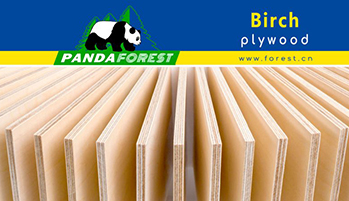
Hardwood plywood is prized for its eye-catching veneer. Woods like oak, birch, or walnut add elegance. They are suitable for cabinets, decorative paneling, or furniture. Hardwood veneers can be stained or polished for a premium finish. This elevates the final look of the piece. Homeowners seeking a rustic charm might opt for knotty pine faces. That adds a distinct character. In commercial spaces, sleek maple surfaces present a refined style.
Softwood faces, like fir or pine, cost less. They are often used where looks matter less. Examples include subflooring or roof sheathing. Despite the surface difference, the core may be similar. The presence of fewer or more layers influences overall performance. For marine plywood, some layers use special treatments. Those measures guard the panel against fungus or decay. Each end use will dictate the needed face veneer. The variety ensures a match for multiple budgets.
Consistency in veneer thickness affects sanding potential. Over-sanding can break through the top layer. That risk is higher with thinner veneers. Careful technique preserves the wood grain pattern. On the other hand, thicker veneers grant more sanding leeway. Such details influence finishing strategies. Understanding them helps hobbyists and professionals alike.
Keeping 8x4 Plywood in Good Condition
Maintenance prolongs the life of plywood. If used indoors, dusting and occasional wiping suffice. In areas with high humidity, ensuring proper ventilation is vital. Kitchens and bathrooms might need moisture barriers or protective coatings. Periodic inspections catch early signs of delamination. That process occurs when layers separate due to water intrusion or mechanical stress. Prompt repair can stop further spread.
For outdoor projects, sealing edges prevents water penetration. Edges are more porous than surfaces. Applying exterior-grade sealants or paint helps. Regular reapplication is recommended. Temperature extremes can also cause expansion and contraction. That stress might lead to hairline cracks. Filling or sealing them keeps moisture out. Checking screws or nails for rust is wise. Replacing corroded fasteners can strengthen the structure.
If the plywood supports heavy objects, watch for bowing. Overloading can stress the center of a panel. Redistribute weight if sagging starts. Reinforcing from below with extra supports adds stability. With proper care, 8x4 plywood can serve for many years. Its versatile nature makes such upkeep worthwhile.
Tips for Selecting the Right Supplier
Quality differences arise between manufacturers. Local lumberyards might stock reputable brands. Their staff can answer project-specific questions. Big-box stores provide convenience and bulk discounts. Online sources sometimes expand product variety. Yet shipping costs can be substantial. Checking reviews or testimonials can reveal reliability. Prompt delivery and careful packaging reduce damage in transit.
Requesting a sample piece is helpful. Examining thickness and veneer quality in person clarifies the product’s attributes. Some suppliers offer custom cuts. That saves time if you need specific dimensions. Make sure to confirm return policies. If a sheet arrives warped, you want an exchange or refund. Transparent suppliers detail their grading and adhesives. They also provide guidance on recommended usage. When buying large quantities, building relationships can yield better pricing.
Safety Measures During Plywood Work
Working with wood dust calls for precaution. Wear a mask or respirator to protect lungs. Eye protection is equally important. Sawdust and splinters can irritate or injure. Gloves help grip sheets and avoid minor cuts. A tidy workspace prevents accidents. Secure each sheet before cutting. Unstable materials may shift, resulting in crooked cuts or hazards.
Electrical tools pose risks. Check cords and power outlets for fraying or overload. Keep cables clear of cutting paths. Verify blade depth settings. Too deep can damage the work surface or cause kickback. Inspect the blade’s condition regularly. For nails or screws, an impact driver can speed up assembly. However, proceed with caution. Driving fasteners too forcefully might strip the wood.
Adhesives also warrant attention. Some emit strong fumes. Good ventilation is key, especially indoors. Disposable brushes or rollers simplify cleanup. If using chemical strippers or finishes, read the labels. Follow recommended drying times. This prevents tacky surfaces or peeling layers. Prioritizing safety creates a more pleasant workflow. It also preserves the quality of the final product.
Notable Trends in Modern Construction
Over time, plywood usage has grown beyond simple frameworks. Architects now experiment with exposed plywood surfaces. That design choice delivers an industrial-chic vibe. Restaurants often incorporate plywood booths or wall accents. It adds warmth while staying cost-effective. Sustainability concerns shape new developments, too. Many prefer FSC-certified 8x4 plywood.
Digital fabrication technologies help cut intricate patterns. CNC machines create custom shapes. Craftspeople can produce detailed lattice or perforated screens. These artistic panels adorn room dividers or exterior facades. The portability of 8x4 plywood remains appealing. Moving large sheets on-site is simpler than hauling oversized boards. Modular building solutions also leverage uniform panel sizes.
Tiny homes exemplify inventive plywood applications. Designers build space-saving furniture from the same batch of sheets. This ensures consistency in texture and finish. It also helps reduce scrap. Flexible living solutions might incorporate fold-out tables or hidden sleeping platforms. Plywood’s ability to handle repeated folding hinges is helpful. Such modern innovations illustrate the adaptability of 8x4 plywood.
Practical Advice for DIY Enthusiasts
Amateur carpenters often begin with 8x4 plywood. Simple storage units or workbenches are straightforward. The uniform sheet size minimizes measuring confusion. Basic tools, like a circular saw and cordless drill, suffice for many tasks. Planning cuts in advance reduces mistakes. Sketching layouts saves wood, especially for tight budgets.
A neat trick is labeling each cut piece. That avoids mixing parts during assembly. Sanding edges after each cut preserves consistency. It also prevents splinters that might snag clothes. For finishing, water-based polyurethane is user-friendly. It dries quickly and emits fewer fumes. Stain can accentuate the wood grain. Experimenting on scrap pieces helps find the right tone. If you plan to paint, a primer coat ensures better adhesion.
Small mistakes can be fixed. Wood filler repairs minor dents. Gaps along edges can be concealed with trim pieces. The advantage of 8x4 plywood is forgiveness. Even if a section is flawed, you can cut around it. Over time, practice refines your technique. Online tutorials and community workshops expand knowledge. DIY experiences build confidence. They also demonstrate the remarkable versatility of these sturdy panels.
Future Outlook for 8x4 Plywood
As industries evolve, plywood manufacturing adapts. Researchers explore new adhesives to reduce chemical exposure. Some test natural resins derived from agricultural waste. These breakthroughs might make 8x4 plywood even greener. Automation in factories boosts precision. Robots handle veneer placement with minimal errors. Consistency fosters trust among buyers.
Global demand fluctuates with economic trends. Construction booms increase consumption. Home remodeling surges also affect sales. Meanwhile, environmental regulations shape production methods. Mills adopt safer practices and reduce emissions. Plywood sheets remain a cornerstone in building. They bridge tradition and innovation, satisfying many needs. From large complexes to tiny homes, these panels show no sign of fading relevance.
Hybrid materials, combining plastics or metals, offer novel solutions. Yet wood-based products remain popular for warmth and sustainability. 8x4 plywood will likely remain a go-to standard. Its simplicity and adaptability continue to impress. Emerging technology may refine it, but the essence endures. Layered veneers, cross-grain strength, and familiar dimensions persist. Future generations of builders will likely appreciate this dependable material.
Why 8x4 Plywood Deserves Attention
8x4 plywood holds a vital place in modern projects. Its standardized dimension streamlines planning. The layered structure offers durability and dependable strength. Across construction, design, and DIY, it finds countless applications. Whether you seek marine plywood for water-intensive zones or hardwood plywood for stylish interiors, the possibilities abound. Plywood sheets remain a budget-friendly and versatile choice. Their adaptability spans subfloors, furniture, and decorative touches alike.
By weighing plywood thickness, grade, and price, you tailor each sheet to the job. Proper care extends its service life. Simple measures, like sealing edges and ensuring dryness, go far. Safety steps protect workers and final results. 8x4 plywood continues to evolve with sustainability and technology trends. Its legacy endures as an ever-relevant resource for professionals and hobbyists alike. The synergy of reliability, flexibility, and availability sets it apart. In numerous settings, 8x4 plywood proves its worth, reminding us that timeless materials can thrive in changing times.
Real-World Case Studies Using 8x4 Plywood
Individuals and businesses demonstrate the value of 8x4 plywood daily. A local carpenter built a small coffee kiosk using construction plywood. Each panel provided the stable walls he needed. He covered them with a weatherproof finish. That kiosk withstood harsh winters and frequent rainfall. The material’s resilience cut down on repairs. His total investment remained budget-friendly.
In another instance, a community project converted an abandoned lot into a mini skate park. Volunteers used 8x4 plywood sheets for ramps. They selected thicker panels for the load-bearing supports. Thinner sheets formed smooth, curved surfaces. After sealing and painting, those ramps showed no signs of water damage. Skaters praised the consistent traction and safe transitions. Local parents appreciated the quick construction timeframe. The entire plan wrapped up well under budget.
An amateur boat builder relied on marine plywood for a custom fishing dinghy. He chose 8x4 plywood dimensions to reduce unnecessary cuts. That streamlined assembly, decreasing waste. The layered veneers held up through seasonal shifts on the lake. When the boat was hauled for winter, minimal repairs were needed. His success story inspired neighbors to tackle similar small vessel projects.
A furniture startup launched a best-selling shelf line using hardwood plywood fronts. They stained the exposed faces to highlight attractive wood grains. The 8x4 plywood format eased scaling. Large sheets were cut into uniform shelf parts. That consistency delivered a cohesive brand aesthetic. Customers praised the sturdy design, which bore considerable weight without sagging.
Considerations for Upcycling and Reclaimed Wood
Upcycling offers fresh ways to repurpose 8x4 plywood. Older sheets from dismantled projects can find second lives. Some creative hobbyists transform used plywood into art installations. Sanding and painting conceal blemishes. Decorative stenciling can add flair. These reclaimed panels reduce waste and inspire new designs.
Leftover pieces might form small planters or wall-mounted organizers. These functional items keep material out of landfills. Schools sometimes run carpentry clubs where children build birdhouses from offcuts. Such programs foster skill development. They also teach environmental responsibility. Some workshops accept donated scraps for community use. By supporting these activities, the plywood life cycle continues.
Reclaimed plywood can come from demolished buildings. That wood may carry nail holes or paint remnants. Checking for toxins is wise, especially if the original paint contained lead. Sealing or encasing surfaces provides a barrier. With proper handling, these salvaged panels remain serviceable. Craft markets often celebrate the rustic charm of reclaimed wood. Vintage aesthetics, combined with resourcefulness, add to its appeal.
Those committed to minimal environmental footprints seek creative solutions. Upcycling emerges as a savvy approach. It supports sustainable values while yielding practical outcomes. The durability of 8x4 plywood shines through repeated use. Over time, these efforts keep good material in circulation. They also spark fresh conversation about mindful building practices.
Addressing Frequent Questions
Curious buyers often ask about finishing techniques. A common query is whether 8x4 plywood needs priming before painting. The short answer is yes. Primer smooths out the surface, reducing paint absorption. The final color coat appears more uniform. Another concern focuses on the best screw size for typical projects. Many opt for 1 1/4-inch to 1 1/2-inch screws with a coarse thread. That grip firmly without poking through.
Some wonder if plywood thickness can affect noise levels. Thicker panels do dampen sound slightly, but specialized acoustic solutions often perform better. Another question is about plywood prices. Fluctuations occur due to lumber supply and demand. Checking local suppliers can reveal sales or promotions. People also ask about sanding hardwood plywood faces. Light sanding enhances finish adhesion without removing too much veneer. A 180 to 220 grit range usually suffices.
Water resistance comes up often. Standard 8x4 plywood can handle brief moisture contact. For sustained exposure, marine plywood is recommended. If you question whether plywood can replace solid wood entirely, it depends on application. Solid wood suits certain fine carpentry. But for broad uses, these layered sheets hold their own. The final verdict rests on budget, aesthetics, and durability needs.
Tips for Storing and Transporting Large Panels
Storing 8x4 plywood well preserves its quality. Keep panels flat in a dry, shaded space. Leaning them for long periods may cause slight warps. Elevating stacks off the ground improves air circulation. That approach keeps moisture away from the lower sheets. Avoid direct sunlight, which can dry and discolor exposed faces.
When transporting, secure each sheet to prevent movement. Use straps that distribute pressure evenly. Placing a protective layer, like cardboard, between sheets can prevent scratches. For open vehicles, tarps shield against rain or dust. Tie-down checks are vital before driving. On rough roads, any shifting can damage corners. Many people underestimate the wind force on large panels. Taking precautions prevents mishaps.
Some prefer having sheets cut before leaving the store. That option reduces the risk of struggling with large dimensions. Make sure to note precise measurements needed. Confirm the cut count to avoid errors. Bringing a checklist helps. If you plan multiple projects, group cuts by thickness. Organization saves time and prevents confusion. Planning helps ensure each piece ends up where it belongs.
Efficient Finishing for Enhanced Longevity
Finishing 8x4 plywood properly can extend its lifespan. Sand the surface first to open the grain. This step removes manufacturing marks and minor surface residues. A tack cloth wipes away dust. That step is key before applying sealers or paint. For outdoor tasks, select weather-resistant finishes. Polyurethane or spar varnish forms a durable coat.
Apply multiple thin layers instead of one heavy coat. This method allows each layer to dry thoroughly. Lightly sanding between coats with fine grit paper smooths imperfections. The final finish appears more polished. Edges deserve extra attention. They can absorb more moisture if left unsealed. Brushing or rolling a few layers on edges can block water penetration.
Oil-based finishes deepen the wood color. Water-based solutions dry faster. They produce fewer odors. The choice depends on personal preferences. In high-traffic areas, a robust seal is helpful. That prevents scratches and scuffs. A quality finish not only protects, but also enhances the plywood’s natural charm. Periodic maintenance may involve reapplication, especially in areas exposed to the elements.
Specialized Techniques for Advanced Builds
Seasoned woodworkers push 8x4 plywood to new limits. One technique, called lamination, bonds multiple sheets. This method forms thick, curved components. Creative furniture designs spring from these layered arcs. The resulting shapes can be both strong and sculptural. Bending plywood requires careful planning. Builders cut shallow kerfs or use steam to soften veneers.
Joinery approaches include pocket holes or dowels. Pocket holes hide screws beneath angled plugs. Dowels align edges neatly. Both methods produce clean lines. For fancy edging, some attach hardwood strips. That trim hides the layered core. It also offers a smooth finishing surface. Advanced projects benefit from patient assembly. Let adhesives cure fully before applying stress.
CNC routers have grown more accessible. They carve precise patterns in 8x4 plywood. Detailed engravings or cutouts can transform basic panels into artistic features. Some individuals craft puzzle-style furniture that snaps together without nails. This advanced approach suits minimalistic designs. Laser cutting, though more common with thinner sheets, also produces decorative elements. The possibilities are almost endless.

Managing Large-Scale Commercial Construction
Commercial sites often schedule hundreds of sheets. They plan deliveries in sequences, matching each phase of building. By labeling stacks, foremen ensure the right plywood thickness goes to the correct area. Crew coordination avoids confusion. Production lines operate with minimal downtime. This efficiency saves costs on labor and storage.
Engineers calculate loads and specify correct grades. For structural beams, certain codes require thicker plywood. High-rise buildings sometimes employ shear walls with robust panels. These walls resist lateral forces like wind. Properly installed 8x4 plywood bolsters structural stability. On job sites, forklift operators move these large stacks. They must handle them gently to avoid corner damage. Protective edge guards help.
Safety training remains essential. Commercial crews often work at heights. They lay plywood subfloors over metal joists. Harnesses and guardrails reduce fall hazards. Swift installation can matter when weather conditions shift. Rain can halt progress. Adequate scheduling means materials don’t sit unprotected in storms. A careful plan ensures plywood usage stays on track.
Collaborations with Other Materials
8x4 plywood pairs well with metal, glass, or composite panels. Architects mix materials to create bold facades. Metal frames can hold plywood inserts. That contrast highlights natural warmth against an industrial backbone. Glass partitions may sit above plywood half-walls. This approach offers privacy without blocking light.
Concrete counters or columns blend with plywood backsplashes. That union delivers a sleek modern dimension. The result can be cost-effective when compared to all-concrete surfaces. For accent ceilings, a combination of planks and recessed lighting yields a refined look. These design choices add personality. They also broaden the role of plywood sheets beyond hidden structural layers.
In stage set design, plywood forms a portable foundation. Designers add fabrics, lighting fixtures, and decorative elements. After the event, the plywood frames are disassembled. Components can be reused for future shows. By collaborating with diverse materials, 8x4 plywood stays at the heart of many inventive solutions.
Embracing Technology and Digital Resources
Online tutorials have eased the learning curve. Novices can watch step-by-step videos on cutting or finishing. These resources empower individuals to work confidently with 8x4 plywood. Project planning apps help with measurement and layout. Some even allow 3D previews to confirm design choices. This visualization reduces errors before a single cut is made.
Digital communities share best practices and mistakes. They discuss marine plywood variants for coastal environments. Others highlight hardwood plywood finishing tips. Through these discussions, people discover hidden tricks. For instance, using a foam insulation board beneath the panel when cutting. That tactic protects the blade and yields a cleaner cut. Technology extends knowledge across borders, fostering a global plywood community.
Online marketplaces offer an array of plywood prices. Shoppers compare brands, read reviews, and select shipping preferences. Real-time stock levels guide urgent orders. Some platforms provide bulk discounts for commercial clients. Carefully scanning product listings ensures the right thickness. Internet-savvy buyers can score deals or special promotions. Yet verifying vendor credibility is wise. Choose platforms with transparent policies to avoid issues.
Reflecting on Personal Skill Growth
Many crafters start small, constructing basic tables from 8x4 plywood. As confidence grows, they venture into more complex builds. The repeated process of measuring, cutting, and sanding refines technique. Each success story fuels motivation. Even mistakes become lessons. Seasoned professionals recall early mishaps with a smile. They know each project sharpened their abilities.
Working with plywood fosters problem-solving. Designers must adapt designs to fit panel limits. They learn to transform constraints into creativity. This journey can be deeply fulfilling. The tactile nature of shaping wood remains timeless. Whether for a single shelf or an entire house, the satisfaction of completion resonates. When novices handle 8x4 plywood with care, they discover it’s a reliable partner in craftsmanship.
Shared experiences create communities. Enthusiasts swap stories at local maker fairs. They bond over warping woes or proud reveals of polished furniture. These interactions spark new friendships. Woodworking clubs often recruit members eager to explore plywood’s potential. Confidence gained from simpler tasks leads to broader ambitions. Each build signals growth.
Final Words of Encouragement
8x4 plywood brings structure and creativity together. Its standardized size streamlines construction. From subfloors to statement pieces, these panels deliver stability. Clever layering fights warping. Varied thicknesses and grades address countless scenarios. Professionals and hobbyists alike appreciate its adaptability. Marine plywood excels where water is a threat. Hardwood plywood elevates style in refined interiors.
By recognizing project demands, you pick the best plywood options. Simple handling techniques help avoid errors. Sealing edges and applying quality finishes protect your efforts. Reusing scraps lowers waste. Upcycling fosters both individuality and resource conservation. Whether you aim for intricate CNC carvings or straightforward shelving, 8x4 plywood stands ready. Its legacy keeps evolving. Practical, versatile, and timeless, it proves that advanced solutions can remain deeply rooted in everyday materials.
When you select 8x4 plywood, you invest in proven reliability. You join generations of builders who appreciate a well-engineered product. Each creation—be it a boat, a cabinet, or a community ramp—reflects shared trust in this wood-based staple. So gather your plans, choose your veneer, and embrace the possibility. Over decades, 8x4 plywood has shown its worth. That journey continues as we shape our spaces with skill and vision.