


6mm Plywood: The Ultimate Comparison of 1/4 Plywood, 1 4 Plywood, and 1/4 in Plywood
What is 6mm Plywood?
6mm Plywood, often referred to as 1/4 plywood, 1 4 plywood, or 1/4 in plywood, is one of the most commonly used plywood thicknesses in various DIY and construction projects. It’s popular due to its versatility, thin profile, and ease of handling. Whether you're a seasoned builder or a weekend DIY enthusiast, 6mm plywood is likely to make an appearance in your toolkit.
But what makes 6mm plywood so attractive to users? This specific plywood is known for its light weight, making it perfect for smaller projects or detailed work where thicker plywood would be overkill. Moreover, 6mm plywood is thin but still strong enough to provide structural support in applications like cabinet backing, door skins, and lightweight partitions. It's an excellent material for curved surfaces as well due to its flexible nature.

Now, with many people searching for synonyms like 1/4 plywood, 1 4 plywood, or 1/4 in plywood, it’s important to note that these terms all point to the same product – a thin, light, and durable plywood sheet that serves a wide range of purposes.
The Basics of 6mm Plywood
The Structure of 6mm Plywood
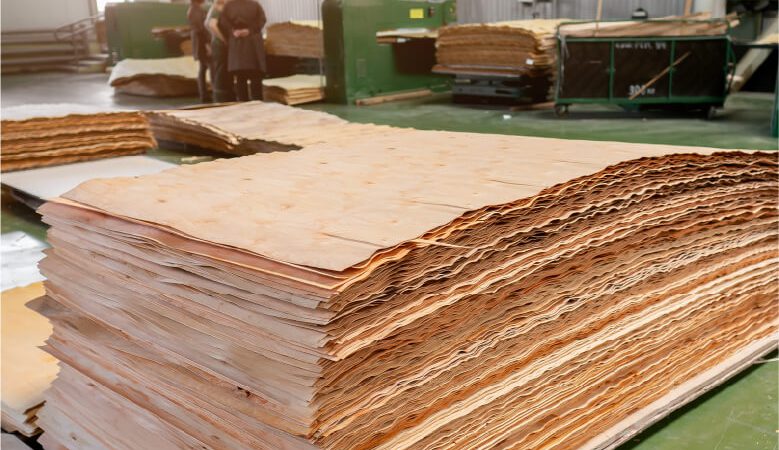
Plywood is constructed from thin layers of wood veneer, glued together with adjacent layers having their wood grain rotated up to 90 degrees to each other. This cross-grain structure gives plywood its strength and resistance to warping or cracking, especially in thin sheets like 6mm plywood.
When it comes to 6mm plywood, the layers are fewer but still strategically placed to offer durability and flexibility. The result? A balance between strength and thinness that is ideal for applications that don’t require the robustness of thicker plywood but still need a reliable, wood-based product.
Common Uses for 6mm Plywood
Thanks to its light weight and thinness, 6mm plywood is frequently used in applications that require a material that is easy to work with but still provides enough strength to maintain its shape. Some of the most common uses include:
- Cabinet Backing: Since the back of cabinets doesn't bear a lot of weight, 6mm plywood is perfect for this application.
- Lightweight Partitions: If you're building a temporary wall or partition, 6mm plywood offers a cost-effective and lightweight solution.
- Furniture Elements: Smaller furniture components, especially those that don’t need to bear heavy loads, often use 6mm plywood.
- Crafting and DIY Projects: Crafters love using 6mm plywood because it's easy to cut, shape, and paint. Projects like picture frames, shelves, or hobby models benefit from its manageability.
6mm Plywood vs. 1/4 Plywood: Is There a Difference?
You might be wondering if there’s a difference between 6mm plywood and its synonyms like 1/4 plywood, 1 4 plywood, or 1/4 in plywood. The answer is simple: They are all the same thing, just different ways to refer to the same thickness of plywood.
In metric measurements, 6mm is roughly equivalent to 1/4 inch. As such, in regions that use metric systems, you’ll see it labeled as 6mm plywood. In countries like the United States, where the imperial system is more common, it’s referred to as 1/4 plywood or 1/4 in plywood.
Despite these naming conventions, the plywood itself is the same product – a thin, versatile sheet that’s useful in a range of applications. The only difference is in how it’s labeled based on the measurement system.
Comparing 6mm Plywood Prices
The price of 6mm plywood can vary significantly depending on factors like wood species, manufacturing quality, and location. Typically, you’ll find that 6mm plywood is one of the more affordable plywood options because it uses fewer materials than thicker sheets.
Here’s a breakdown of the factors that influence 6mm plywood price:
Type of Wood
The species of wood used in the plywood affects the price considerably. For example:
- Softwood Plywood (Pine or Fir): Softwood plywood tends to be more affordable. A 6mm pine plywood sheet can range between $15 to $30, depending on the supplier.
- Hardwood Plywood (Birch, Oak):Hardwood plywood is generally more expensive. A 6mm Birch Plywood sheet might cost $35 to $60, but offers better durability and aesthetics.
Quality Grades
Plywood comes in different grades, which also affects the price. Higher-grade plywood has fewer defects and is smoother, making it more expensive. Lower grades might have visible knots or voids, making them cheaper.
- A-Grade: The highest grade, which is smooth and free from defects. 6mm A-grade plywood is pricier, often used in furniture making or cabinetry.
- C-Grade or D-Grade: Lower grades with more visible imperfections. These are commonly used in structural or hidden applications where appearance is less important.
Location and Supplier
Local availability and supplier markups can influence plywood pricing. Big-box retailers might offer competitive pricing, while specialized lumber suppliers could charge a premium for high-quality plywood.

Strength and Flexibility: Why Choose 6mm Plywood?
The unique selling point of 6mm plywood lies in its balance of strength and flexibility. Despite being only 6mm thick, it retains much of the strength of thicker plywood, making it suitable for a variety of applications. The thinness also gives it an edge when it comes to creating curves or bending the plywood around corners or rounded surfaces.
When compared to thicker plywood, the 6mm variant excels in projects where light weight is essential or where the plywood needs to conform to irregular shapes. For instance, boat builders often use 6mm plywood for curved parts because it can easily be bent without breaking.
Flexibility
One of the standout features of 6mm plywood is its flexibility. Thin enough to bend but strong enough to hold its form, this plywood is ideal for projects where straight edges won’t do the job. For example, it’s often used in skateboard ramps, archways, or furniture with curved surfaces.
Strength
Even though 6mm plywood is thinner than other types, it still boasts considerable strength thanks to its layered construction. This makes it ideal for uses like drawer bottoms or cabinet backs, where a balance of lightness and durability is required.
6mm Plywood in DIY Projects
6mm plywood is a favorite among DIY enthusiasts for several reasons. It’s easy to cut, lightweight, and can be handled without specialized tools. Whether you’re building shelves, storage boxes, or small furniture, 6mm plywood is a go-to material for smaller home improvement projects.
Ease of Cutting
One of the biggest advantages of using 6mm plywood in DIY projects is how easy it is to cut and shape. It can be cut with a standard jigsaw or circular saw, making it accessible even to those without professional woodworking tools.
Versatility in Finishing
Because 6mm plywood has a smooth surface, it takes paint, stain, and varnish well. This makes it an excellent choice for projects where the final appearance is important, such as furniture or decorative panels.
Affordable Material
For budget-conscious DIYers, 6mm plywood offers a cost-effective solution without sacrificing quality. It’s thin enough to keep costs low, but strong enough to create durable products.
How to Choose the Right Type of 6mm Plywood
Selecting the right type of 6mm plywood for your project depends on a variety of factors, including the intended use, desired appearance, and budget. Let’s explore some of the key aspects you should consider when choosing the best plywood for your needs.
Plywood Grade Matters
One of the most important factors to consider when selecting 6mm plywood is the grade. As mentioned earlier, plywood is graded based on the quality of its veneer layers. Understanding these grades will help you choose the right plywood for both aesthetic and practical purposes.
- A-Grade: A-grade plywood is perfect for projects that require a smooth finish and a flawless surface. This type of plywood is often used for furniture and cabinetry, where appearance matters. However, it comes with a higher price tag.
- B-Grade: B-grade plywood may have some minor imperfections, such as small knots or patches, but it is still suitable for visible applications like shelving and paneling.
- C and D-Grades: Lower-grade plywood is best used for structural or hidden parts of projects where appearance is not a concern. These grades are more affordable but may have visible defects such as knots, splits, or voids.
Choosing the right grade depends on how much of the plywood will be visible in your finished project. For example, if you’re building a decorative piece of furniture, opting for A or B-grade plywood is recommended. On the other hand, if you’re using the plywood for interior structure, a lower grade may suffice.
Softwood vs. Hardwood Plywood
Another important consideration is whether to choose softwood or hardwood plywood. The type of wood used in the construction of plywood impacts both its price and performance.
- Softwood Plywood (e.g., Pine or Fir): Softwood plywood is lighter and generally more affordable. It’s suitable for projects like wall sheathing, subflooring, and temporary partitions. However, it may not be as durable as hardwood varieties.
- Hardwood Plywood (e.g., Birch or Oak): Hardwood plywood is denser, stronger, and more durable, making it ideal for furniture, cabinets, and other applications where durability is key. It comes at a higher cost but offers a premium finish.
When working on projects that require strength and longevity, hardwood plywood is often the best option, especially when building items like high-end furniture or decorative wall panels.
Comparing 6mm Plywood with Other Thicknesses
While 6mm plywood (or 1/4 plywood) is incredibly versatile, there may be times when other thicknesses of plywood are better suited to your project. Let’s compare the uses and benefits of 6mm plywood with thicker plywood options.
6mm Plywood vs. 12mm Plywood
12mm plywood, or 1/2-inch plywood, is significantly thicker and sturdier than 6mm plywood. This makes it more suitable for projects that require greater strength and support, such as flooring, structural elements, and outdoor furniture.
- Strength: 12mm plywood offers more load-bearing capacity compared to 6mm plywood, making it a better choice for shelving, flooring, or building frames.
- Flexibility: 6mm plywood, however, has more flexibility and is easier to work with when creating curved surfaces or intricate designs.
- Weight: Since 12mm plywood is thicker, it’s also heavier, which may not be ideal for projects where weight needs to be minimized.
In general, if your project requires a balance between strength and flexibility, 6mm plywood is a great option, but for more demanding structural applications, 12mm plywood is the way to go.
6mm Plywood vs. 3mm Plywood
On the other end of the spectrum is 3mm plywood, which is even thinner than 6mm plywood. This ultra-thin plywood is often used for lightweight craft projects or as a backing material for picture frames or small cabinets.
- Strength: While 3mm plywood is very lightweight, it lacks the strength of 6mm plywood and is prone to warping or breaking under pressure.
- Application: 6mm plywood is far more versatile than 3mm plywood, offering better durability without sacrificing flexibility. It’s a better choice for projects that require a balance of both.
Ultimately, 6mm plywood strikes a good middle ground between the flexibility of 3mm plywood and the strength of thicker plywood, making it suitable for a wide variety of applications.
6mm Plywood: Indoor vs. Outdoor Applications
6mm plywood can be used in both indoor and outdoor projects, but it’s important to choose the right type of plywood to match your environmental conditions. Not all plywood is created equal, and exposure to moisture, temperature changes, and the elements can affect how well your plywood performs over time.
Indoor Uses of 6mm Plywood
In indoor settings, 6mm plywood is often used for projects like furniture, cabinetry, and decorative elements. Because it’s lightweight and easy to handle, it’s a popular choice for DIY home improvement projects.
- Furniture Making: 6mm plywood can be used for drawer bottoms, cabinet backs, or smaller furniture components that don’t require a lot of load-bearing capacity.
- Wall Panels: 6mm plywood works well as a decorative wall covering, offering a sleek and modern look without adding excessive weight.
- Craft Projects: For DIY enthusiasts, 6mm plywood is ideal for creating custom shelves, picture frames, or even small models and prototypes.
Since indoor projects are typically protected from the elements, you don’t have to worry as much about moisture or humidity when using 6mm plywood indoors. However, if you’re using the plywood in areas like the kitchen or bathroom, where moisture may be a concern, it’s important to choose plywood that has been treated for water resistance.
Outdoor Uses of 6mm Plywood
While 6mm plywood can be used outdoors, it’s crucial to select plywood that’s specifically rated for outdoor use. Regular plywood is not designed to withstand prolonged exposure to moisture and can warp, swell, or delaminate when exposed to rain or humidity.
- Exterior Siding: For temporary structures or sheds, 6mm plywood can be used as a lightweight exterior siding, provided it’s treated with waterproofing agents.
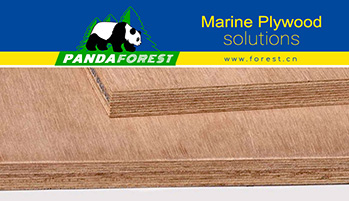
- Boat Building: In certain cases, 6mm plywood is used in marine applications, such as building lightweight boats or kayaks, where flexibility and water resistance are required. Marine-grade plywood, treated to withstand moisture, is a must for these projects.
- Outdoor Furniture: 6mm plywood can be used for outdoor furniture as long as it’s properly sealed and treated to resist moisture and temperature changes.
For outdoor applications, always opt for plywood that has been pressure-treated or specifically designed to withstand exposure to the elements. Marine-grade plywood is a top choice if your project will be exposed to water frequently.
Customizing Your 6mm Plywood: Finishes and Treatments
Once you’ve selected the right 6mm plywood for your project, you may want to customize it with finishes or treatments to improve its durability or appearance. Here’s a quick guide to some common plywood treatments and finishes:
Painting 6mm Plywood
Painting 6mm plywood is a simple and effective way to customize its appearance and protect it from the elements. Before painting, be sure to sand the surface to smooth out any rough spots and apply a primer to help the paint adhere to the plywood.
- Choose the Right Paint: Use an oil-based or latex paint designed for wood surfaces. If the plywood will be exposed to moisture, consider using exterior-grade paint for better protection.
- Multiple Coats: Apply at least two coats of paint for even coverage and better durability.
Staining 6mm Plywood
If you prefer to showcase the natural wood grain, staining your 6mm plywood is a great option. Staining adds color to the wood while allowing the texture and pattern of the grain to show through.
- Wood Conditioner: Apply a wood conditioner before staining to ensure the stain is absorbed evenly across the plywood surface.
- Seal the Stain: After staining, apply a clear wood sealant to protect the plywood and keep the stain looking vibrant.
Sealing and Waterproofing
If your project involves outdoor use or exposure to moisture, sealing and waterproofing your plywood is essential. You can use a clear wood sealer, polyurethane, or a waterproofing agent to protect the plywood from water damage.
- Seal the Edges: Pay special attention to the edges of the plywood, as they are the most vulnerable to moisture. Apply multiple coats of sealer to ensure complete coverage.

FAQs
Q: How flexible is 6mm plywood compared to other thicknesses?
A: 6mm plywood is flexible enough for creating curves in furniture or structures, making it more versatile than thicker plywood like 12mm.
Q: Can 6mm plywood be used for structural purposes?
A: While 6mm plywood can be used for lightweight structural applications, it may need reinforcement if used for load-bearing purposes.
Q: Is there a significant price difference between 6mm plywood and thicker options?
A: Yes, 6mm plywood is generally more affordable due to its thinness, but prices can vary based on wood type and grade.
Q: Can I use 6mm plywood for boat building?
A: Yes, 6mm marine-grade plywood is commonly used in lightweight boat construction due to its flexibility and water resistance.
Q: What are the best finishes for 6mm plywood used outdoors?
A: For outdoor use, seal your plywood with a waterproofing agent or apply multiple coats of exterior-grade paint or sealant to protect against the elements.