


3mm Plywood Sheets: A Versatile Thin Plywood for Craft and Construction
What are 3mm Plywood Sheets?
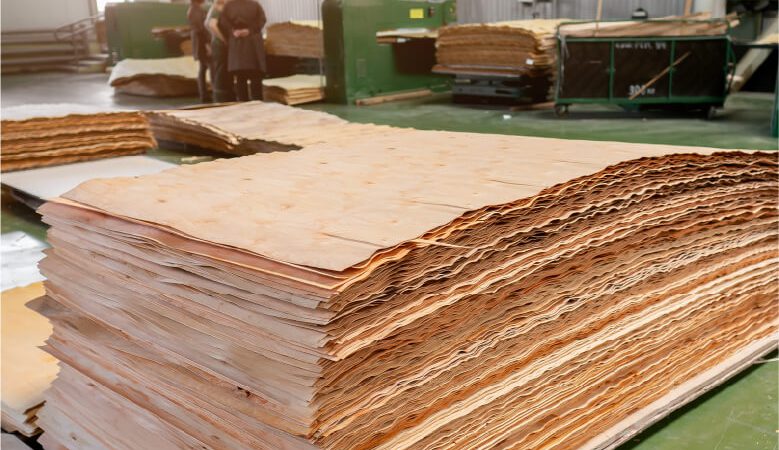
3mm plywood sheets, commonly referred to as thin plywood or 1/8 inch plywood, are lightweight, thin wood sheets made by layering veneer in a cross-grain pattern. This specific thickness is highly valued for its balance between flexibility and durability, making it a popular material for crafting, model-making, and lightweight construction projects.

These plywood sheets are often used in projects where precision and ease of cutting are essential. The 3mm thickness provides stability while remaining thin enough for delicate applications. Made from various types of wood, including birch, poplar, and pine, these thin plywood sheets offer a smooth surface that’s easy to paint, stain, or varnish, depending on your project's needs.
The flexibility of 3mm plywood sheets makes them an ideal choice for curved surfaces or intricate designs. They can be easily shaped, bent, and adhered to different surfaces, which makes them perfect for DIY enthusiasts, architects, and model builders. Whether you’re working on a home improvement project, creating detailed models, or crafting decorative pieces, 3mm plywood sheets offer a versatile solution for many applications.
Moreover, thin plywood, like 3mm plywood sheets, is often used in cabinetry, furniture backing, and interior paneling, where weight and thickness are considerations. These sheets maintain the structural integrity needed for light constructions while offering the ease of working with a more manageable material.
The Benefits of 3mm Plywood Sheets
Lightweight and Easy to Handle
One of the most significant advantages of using 3mm plywood sheet is their lightweight nature. Compared to thicker plywood options, these thin plywood sheets are much easier to transport, cut, and install. This makes them ideal for smaller projects or tasks that require precision.
For DIY enthusiasts, the lightweight nature of 1/8 inch plywood means that even without professional tools or expertise, you can achieve professional-looking results. This type of plywood can be cut with hand tools like utility knives, ensuring that even first-time users can handle it effectively.
Versatility in Crafting and Model Making
3mm plywood sheets are a favorite material for crafters and model makers. Due to their thin and flexible properties, these sheets are perfect for creating miniature models, architectural designs, and even intricate decorations. Thin wood sheets provide a sturdy base that can easily be shaped or detailed to your exact specifications.
When working on crafts or detailed projects, the smooth surface of 3mm plywood allows for easy application of paint, glue, or other finishes. Whether you are building a model train set, a dollhouse, or intricate wooden ornaments, thin plywood can be molded into the perfect form with minimal effort.
Ideal for Curved and Flexible Surfaces
One of the standout features of 3mm plywood sheets is their ability to bend and flex without breaking. This makes them ideal for projects that require curved surfaces, such as curved cabinetry, decorative arches, or even boat building. The thin nature of the plywood allows it to conform to the desired shape while maintaining its structural integrity.
For those working on projects with rounded or irregular surfaces, thin plywood offers an affordable and effective solution. Its natural flexibility makes it possible to achieve curved lines and shapes without the need for special tools or equipment.
Common Applications for 3mm Plywood Sheets
Home Improvement and DIY Projects
3mm plywood sheets are commonly used in various home improvement projects. Their versatility makes them suitable for a range of applications, from Wall Paneling to interior decor. Because of their lightweight nature, thin plywood is often used in projects that don’t require heavy structural support but still need durability.
For example, thin wood sheets are excellent for creating accent walls, lightweight shelves, or backing for cabinetry. Their ease of installation and adaptability mean you can achieve a clean, professional finish with minimal hassle.
Additionally, thin plywood can be used for repairing or upgrading furniture. It is commonly employed for adding strength to the back of bookshelves, lightweight partitions, or drawer bottoms, providing extra support while keeping the overall weight of the furniture low.
Craft and Decorative Uses
Thin plywood sheets are highly sought after for crafting and decorative projects. Due to their manageable size and easy handling, 3mm plywood sheets are perfect for cutting into various shapes and designs. They are often used to create custom frames, wall art, signs, and other personalized decor pieces.
Moreover, their smooth surface ensures that paints and stains adhere well, allowing you to customize the look of each piece according to your preferences. The precision you can achieve with thin plywood makes it an excellent choice for intricate patterns and detailed designs, ensuring that every piece turns out as envisioned.
For those interested in woodworking or DIY crafts, thin plywood offers a cost-effective material that is both versatile and durable.
Construction and Architectural Models
In architectural and construction model building, precision is key. 3mm plywood sheets are often used by architects and designers to create scaled-down models of buildings, homes, and other structures. The thinness of the plywood allows for precise cutting and detailing, ensuring accuracy in the model’s design.
Thin plywood sheets can be easily layered or shaped to represent walls, roofs, or other architectural elements. Their flexibility and ease of use make them ideal for constructing intricate designs that require attention to detail.
Because they are easy to cut, glue, and shape, thin plywood sheets have become the go-to material for professional model makers and architects looking for quality and reliability.

How to Work with 3mm Plywood Sheets
Cutting and Shaping Thin Plywood
When working with 3mm plywood sheets, one of the primary considerations is how to cut and shape the material. The thin nature of the plywood makes it relatively easy to work with basic hand tools, such as a utility knife or fine-toothed saw.
For precise, detailed cuts, it is recommended to use a sharp utility knife. By scoring the plywood multiple times along the cut line, you can achieve clean edges without the risk of splitting or tearing. For larger cuts, a saw may be used, but it’s important to use fine teeth to ensure a smooth cut.
Always measure carefully before cutting, as thin plywood can splinter if mishandled. To minimize the risk of splintering, use painter’s tape along the cut line, then make your cut through the tape.
Sanding and Finishing 3mm Plywood
Sanding is a crucial step in working with 3mm plywood sheets, especially if you want a smooth finish. Since thin plywood is typically used for decorative or precision projects, sanding the edges and surface will ensure that paint or varnish adheres evenly.
Start with a fine-grit sandpaper (around 220 grit) to gently smooth out any rough edges or imperfections. Sanding the plywood not only enhances its appearance but also prevents splinters when handling or installing the material.
Once sanded, you can apply a finish based on your project's requirements. For a natural wood look, applying a clear varnish or wood oil will bring out the grain of the wood. If you prefer a painted finish, choose a primer suited for wood surfaces before applying your desired paint color.
Joining and Adhering Thin Plywood Sheets
When it comes to joining 3mm plywood sheets, there are several techniques that can be employed. One of the most common methods is to use wood glue, which provides a strong bond between pieces. Ensure that the edges are properly aligned before clamping them together, allowing the glue to dry thoroughly.
For added strength, you can reinforce the joint with small nails or screws. However, since 3mm plywood is thin, it’s essential to pre-drill holes to prevent splitting. Use small, fine-thread screws for the best results, and be careful not to overtighten them.
Alternatively, thin plywood can also be attached using staples or brads, particularly when working on projects like picture frames or decorative trim.
Caring for and Maintaining 3mm Plywood Sheets
Protecting Against Moisture Damage
Thin plywood, like 3mm plywood sheets, can be susceptible to moisture damage if not properly treated. To protect your plywood from warping or rotting, it’s important to seal the surface, especially if the plywood will be used in areas with high humidity or exposure to water.
Applying a wood sealant or waterproof varnish will help protect the wood from moisture. Be sure to coat all sides of the plywood, including the edges, for comprehensive protection.
If you are using thin plywood outdoors, consider using exterior-grade plywood, which is treated to resist moisture and weather conditions. Regularly inspect the plywood for signs of wear or damage, and reapply sealants as needed to maintain its longevity.
Repairing and Restoring 3mm Plywood Sheets
Fixing Scratches and Dents
Over time, 3mm plywood sheets, like any wood material, may become scratched or dented, especially if used for high-traffic areas or crafts. Thankfully, these minor imperfections can be repaired relatively easily. For light scratches, sanding with fine-grit sandpaper is often sufficient to smooth the surface. Be sure to sand in the direction of the wood grain to avoid further damage.
For deeper scratches or dents, you may need to apply wood filler. Choose a filler that matches the color of your plywood or one that can be stained or painted over. After the filler has dried, sand it down to ensure a smooth, even surface before applying any finish or paint.
If the plywood sheet is part of a larger project, like cabinetry or furniture, regular inspection and timely repairs will help maintain its appearance and function for many years.
Preventing Future Damage
To avoid future damage to your 3mm plywood sheets, consider adding a protective layer, such as varnish, paint, or sealant. This will not only protect the wood from moisture but also from physical wear and tear. For projects that involve moving parts or frequent handling, such as model making or crafting, adding this protective coating will extend the life of the plywood.
If you’re using thin plywood in furniture construction, placing felt pads on the legs or edges that come into contact with hard surfaces will prevent scratches or dents. In home improvement projects, ensuring that thin plywood is not placed in areas with excessive moisture or heat will also help maintain its durability.
Types of 3mm Plywood Sheets and Their Properties
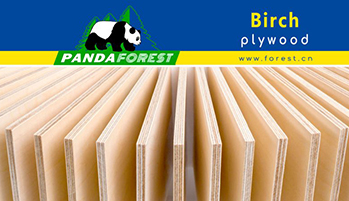
Birch Plywood
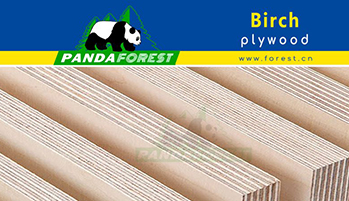
Birch Plywood is one of the most popular types of thin plywood sheets due to its strength and smooth surface. This type of wood is known for its fine grain and light color, making it an excellent choice for both decorative and functional projects. Birch plywood offers superior durability, even in its 3mm thickness, and is often used in cabinetry, furniture, and craft projects.
Birch plywood is also highly versatile in terms of finishes. Its smooth surface takes paint, stains, and varnishes exceptionally well, making it easy to customize for various applications. Additionally, the strength of birch plywood means it is less likely to warp or bend over time, even when used for intricate designs or furniture components.
Poplar Plywood
Poplar plywood is another common choice for 3mm plywood sheets. Known for its lightweight properties, poplar plywood is often used in applications where weight is a concern, such as model making or decorative paneling. Its light color and soft texture make it easy to work with, especially when cutting or shaping the plywood into smaller pieces.
While poplar plywood is not as strong as birch, it remains a popular option for lightweight projects. Its softness also makes it ideal for use with hand tools, making it a favorite among hobbyists and DIY enthusiasts.
Pine Plywood
Pine plywood is a budget-friendly option for those looking for a softwood material that still offers decent strength and durability. While pine plywood may not have the same grain quality as birch or poplar, it is still a reliable choice for interior projects like shelving, lightweight furniture, and interior paneling.
Pine plywood’s availability and cost-effectiveness make it a popular choice for larger-scale projects where appearance may not be the top priority. It is often used in areas that will be painted or covered, as its surface may not be as smooth or visually appealing as other types of plywood.
Finishing Techniques for 3mm Plywood Sheets
Staining and Varnishing Thin Plywood
When it comes to finishing 3mm plywood sheets, staining and varnishing are two of the most common methods. Staining allows you to enhance the natural wood grain, giving the plywood a richer, more polished look. Thin plywood, like 1/8 inch plywood, readily absorbs wood stains, making it easy to achieve the desired shade.
After applying the stain, a protective varnish should be used to seal the wood. This helps prevent moisture damage and wear, ensuring that the plywood retains its appearance and structural integrity over time. Clear varnishes can be used to preserve the natural look of the wood, while tinted varnishes can add an additional layer of color if desired.
For a more rustic or aged look, consider using a weathered or distressed finish. This is especially effective on birch or poplar plywood, which takes to finishing products well.
Painting 3mm Plywood
Painting 3mm plywood sheets is a great way to add color and personality to your project. Whether you’re crafting, decorating, or working on a home improvement task, painting thin plywood can give it a fresh, modern look. Before painting, it’s essential to prime the surface of the plywood with a wood primer. This ensures that the paint adheres evenly and prevents any grain or imperfections from showing through the paint.
Once primed, you can apply the paint of your choice. Latex paints are often preferred for plywood as they provide a smooth, even finish. For a glossy or satin look, consider using an enamel paint that will also provide extra durability for the surface.
Remember to apply multiple thin coats of paint rather than one thick coat to avoid drips or uneven finishes. Allow sufficient drying time between coats for the best results.
Creative Uses for 3mm Plywood Sheets
DIY Wall Art and Signage
3mm plywood sheets are an excellent material for creating custom wall art and signage. Thin plywood can be easily cut into intricate shapes, letters, or designs, making it perfect for personalized home decor. You can paint, stain, or leave the wood in its natural state, depending on the desired aesthetic.
Many people use thin plywood for creating family name signs, decorative wall panels, or holiday decorations. Since 1/8 inch plywood is lightweight, it can be easily mounted on walls using adhesive strips, nails, or hooks, making it a practical option for renters or those who frequently change their decor.
Model Making and Architectural Projects
Model makers and architects often rely on 3mm plywood sheets for building precise, scaled-down versions of larger structures. Whether it’s for an academic project, a professional architectural model, or a hobby, thin plywood allows for accurate detailing and easy manipulation.
In model-making, thin plywood is often used for creating structural elements like walls, floors, and roofs. Its lightweight yet sturdy nature makes it a preferred material for intricate designs that require stability without adding too much bulk.
For architectural projects, 3mm plywood can be used to create small-scale replicas of buildings or landscapes. The plywood can be sanded, painted, or shaped to match the design specifications, offering flexibility and creativity in modeling.

FAQs of 3mm plywood sheets
Q: What is the difference between 3mm plywood and thicker plywood options?
A: 3mm plywood sheets are much thinner and more flexible than thicker plywood. They are ideal for lightweight applications like crafting, model making, and decorative projects, while thicker plywood is better suited for structural work.
Q: Can 3mm plywood be used for outdoor projects?
A: Yes, but it’s essential to use a waterproof sealant to protect it from moisture and weather damage. Exterior-grade plywood may be more suitable for long-term outdoor use.
Q: How do I prevent 3mm plywood from warping?
A: To prevent warping, seal all sides of the plywood with a protective finish and avoid exposing it to excessive moisture or temperature fluctuations. Proper storage in a dry, flat area will also help prevent warping.
Q: Can I cut 3mm plywood with hand tools?
A: Yes, 3mm plywood can be easily cut with hand tools like a utility knife or fine-toothed saw. Ensure that you use sharp blades and make clean, steady cuts to avoid splintering.
Q: What types of projects are best suited for 3mm plywood?
A: 3mm plywood sheets are ideal for crafting, DIY decor, model making, lightweight furniture backing, and interior wall paneling. They are also commonly used for projects requiring flexibility and precise cutting.
3mm plywood sheets are versatile, easy to work with, and suitable for a wide range of applications. From home improvement projects to intricate crafts and models, their flexibility, lightweight nature, and smooth finish make them a reliable choice for both professionals and DIY enthusiasts alike.