


12mm Plywood: Versatile and Affordable for Construction and DIY
What is 12mm Plywood?
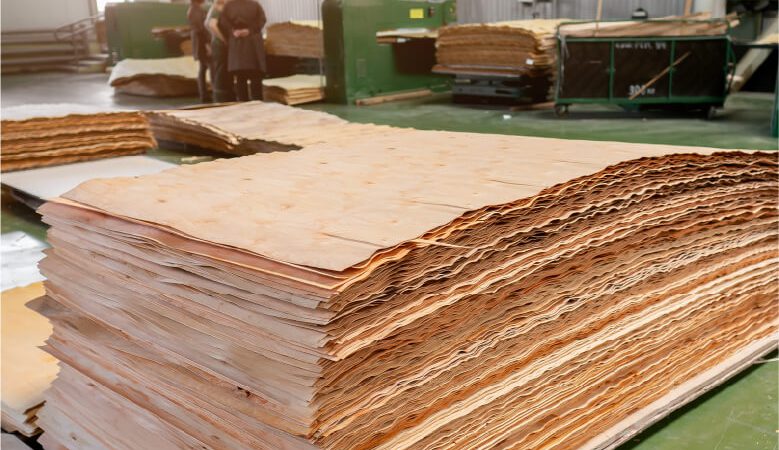
12mm Plywood, often referred to by its other names like 1/2 inch plywood or 4 x 8 plywood, is a popular choice for construction and home improvement projects. It is a type of engineered wood made from thin layers of wood veneer glued together, with each layer positioned at a 90-degree angle to the one below it. This cross-grain construction gives plywood its strength and stability, making it a versatile option for a wide range of applications.

The 12mm thickness falls in the mid-range of plywood sizes, making it suitable for tasks requiring moderate strength without the bulk or weight of thicker plywood sheets. This thickness is perfect for projects like Wall Panels, underlayment, and cabinetry, where you need a sturdy, durable material without excessive weight. Additionally, 12mm plywood can be found in the standard4 x 8 plywood size, which is large enough for most large-scale projects while remaining manageable to transport and install.
Because of its consistent structure and durability, 12mm plywood is less prone to warping or splitting than solid wood. It provides a stable, smooth surface that is easy to work with, whether you're cutting, sanding, or painting. The versatility of 12mm plywood means it is often the go-to material for both professionals and DIYers. Its affordability and wide availability in various finishes make it an excellent option for both functional and decorative uses.
Strength and Durability of 12mm Plywood
One of the key attributes of 12mm plywood is its strength-to-weight ratio. This material is strong enough to support moderate loads, yet light enough for easy handling and installation. Whether you’re constructing cabinets or reinforcing wall structures, 12mm plywood provides the necessary support without being cumbersome to work with.
Due to its engineered structure, 12mm plywood resists common issues like warping and cracking, especially when compared to solid wood. The cross-grain pattern ensures that the plywood maintains its shape and strength even under changing environmental conditions, such as humidity or temperature fluctuations. This durability makes it ideal for both indoor and outdoor use, though for exterior applications, it's crucial to choose a grade that is specifically rated for moisture resistance, such as marine-grade plywood.
Versatile Applications of 12mm Plywood
The adaptability of 12mm plywood means it can be used across a broad spectrum of construction and home improvement projects. Common uses include:
Wall Panels and Partitions
12mm plywood is commonly used for wall paneling, offering a clean, smooth surface that can easily be painted, stained, or veneered. Its 4 x 8 plywood size allows for quick coverage of large areas, making it ideal for creating partitions or temporary walls.
Cabinetry and Furniture Making
For those looking to build cabinets or furniture, 12mm plywood is an excellent material due to its strength and ease of use. It can be cut to precise dimensions and joined together using screws, nails, or wood glue. The material’s uniform surface makes it ideal for applying decorative veneers or laminate finishes, resulting in high-quality, long-lasting furniture pieces.
Flooring and Underlayment
In flooring projects, 12mm plywood is frequently used as an underlayment beneath tiles or hardwood flooring. Its even surface provides a stable base that ensures a professional-looking finish for the top flooring layer. Additionally, it can act as a subfloor in areas where additional support is needed but the overall weight must be kept low.
Advantages of 12mm Plywood in DIY Projects
One of the standout benefits of 12mm plywood is its accessibility for DIY enthusiasts. Available at most hardware stores in various grades and finishes, it is both affordable and easy to source. Many DIYers appreciate its manageable weight, as a standard 4 x 8 sheet can often be handled by one person without requiring special equipment.
Whether you’re building a custom bookshelf, reinforcing a shed, or creating decorative wall art, 12mm plywood offers the perfect combination of strength, affordability, and workability. Cutting, sanding, and painting 12mm plywood is straightforward, making it a beginner-friendly material for home improvement projects.
1/2 Inch Plywood for Home Remodeling
For homeowners looking to tackle renovation projects, 1/2 inch plywood is a common choice for tasks such as repairing drywall, installing shelving, or updating cabinetry. Its versatility allows it to adapt to various applications while maintaining a sleek, polished appearance once finished.
1 2 Inch Plywood for Decorative Uses
Many DIYers also turn to 1 2 inch plywood for decorative projects such as wall art, headboards, or custom furniture designs. The material's lightweight nature and smooth surface make it ideal for intricate designs, allowing for easy customization through painting, staining, or carving.

Types of 12mm Plywood and Their Benefits
Not all plywood is created equal, and 12mm plywood comes in a variety of grades, each suited to different applications.
Softwood vs. Hardwood Plywood
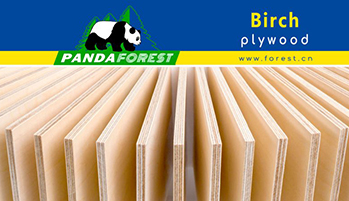
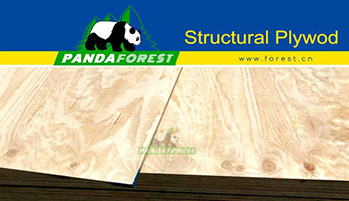
Softwood plywood, typically made from pine or fir, is ideal for structural uses like subflooring or wall sheathing. Hardwood plywood, on the other hand, is made from species like birch or oak, offering a smoother surface and greater aesthetic appeal. Hardwood plywood is often preferred for cabinetry or furniture making due to its fine grain and durability.
Exterior vs. Interior Grades
When selecting 12mm plywood, it's important to consider whether it will be used indoors or outdoors. Exterior plywood is designed to withstand the elements and is often treated to resist moisture, while interior plywood is best suited for dry, indoor environments. Using the wrong type of plywood in the wrong environment can lead to warping, splitting, or rot, so it's crucial to select the appropriate grade for your project.
Sustainability of 12mm Plywood
With growing concerns about environmental sustainability, plywood offers an eco-friendly alternative to solid wood. Since plywood uses thin veneers from multiple trees rather than large solid pieces, it maximizes the use of wood material, reducing waste. Additionally, many manufacturers source their wood from sustainable, responsibly managed forests.
Plywood and Eco-Friendly Building Practices
As concerns about sustainable building practices grow, plywood, including 12mm plywood, is becoming a more environmentally conscious choice for construction and renovation projects. This material is often sourced from fast-growing species of trees, such as pine, reducing the environmental impact of deforestation. Additionally, the manufacturing process for plywood makes efficient use of wood, minimizing waste and making it a more sustainable alternative to solid wood.
Another positive aspect of using 12mm plywood is that many manufacturers today are committed to sourcing wood from certified sustainable forests. These forests are managed in ways that promote biodiversity, reduce carbon emissions, and ensure that tree harvesting does not exceed the forest’s capacity to regenerate. Choosing plywood from manufacturers that follow these practices helps support eco-friendly building efforts.
Many types of plywood, especially those designed for exterior use, come with formaldehyde-free adhesives, making them safer for indoor use. This further adds to their appeal for eco-conscious homeowners and builders who are looking to minimize the environmental footprint of their projects while still using high-quality, durable materials.
Working with 12mm Plywood
Cutting and Shaping
12mm plywood is relatively easy to work with, even for those who may not have extensive carpentry skills. It can be cut using standard woodworking tools such as a circular saw, jigsaw, or even a handsaw for smaller pieces. When cutting plywood, it’s important to ensure that the blade is sharp and that the plywood is securely clamped to avoid splintering along the edges.
One of the major advantages of 12mm plywood is its uniformity. Unlike solid wood, plywood has a consistent thickness and density throughout the sheet, making it easier to predict how it will behave when cut or shaped. This predictability is particularly helpful for DIY projects where precision is key.
Joining and Fastening
There are several methods for joining 12mm plywood pieces together, depending on the project. Common methods include wood screws, nails, and wood glue. Screws are often preferred for structural applications, as they provide a strong, long-lasting bond. For aesthetic projects, such as furniture or cabinetry, nails or wood glue may be used to create a cleaner, more finished look.
It’s important to pre-drill holes when using screws to join plywood, as this prevents the wood from splitting. Additionally, using wood glue in conjunction with screws or nails can enhance the strength of the joint, ensuring that the finished product is both sturdy and durable.
Finishing and Sealing
One of the standout features of 12mm plywood is its smooth surface, which makes it easy to finish. The material takes well to a variety of finishes, including paint, stain, and varnish. For projects where appearance is important, such as furniture or decorative wall panels, sanding the edges of the plywood after cutting can create a more polished, professional look.
When working with exterior-grade 12mm plywood, sealing the wood is crucial to protect it from moisture, especially if the plywood will be exposed to the elements. Using a waterproof sealant or paint can prevent the plywood from absorbing moisture, which can lead to warping or rotting over time. For indoor projects, a simple clear varnish or stain can help enhance the natural beauty of the wood while providing some protection against wear and tear.
Pros and Cons of 12mm Plywood
Like any building material, 12mm plywood comes with its advantages and disadvantages. Understanding these pros and cons can help you determine whether this material is the right choice for your specific project.
Pros:
- Versatility: 12mm plywood can be used for a wide range of projects, from cabinetry to flooring to wall panels.
- Strength: The cross-grain structure of plywood makes it exceptionally strong and resistant to warping and cracking.
- Workability: It’s easy to cut, shape, and join, making it ideal for both professionals and DIY enthusiasts.
- Cost-effective: Plywood is typically more affordable than solid wood, offering similar strength and durability at a lower price.
- Sustainability: Many manufacturers use wood from responsibly managed forests, making plywood a more eco-friendly choice.
Cons:
- Edge Finishing: While the surface of plywood is smooth, the edges can be rough and may require additional finishing.
- Moisture Sensitivity: Even exterior-grade plywood must be properly sealed to prevent water damage, which can lead to warping or rotting over time.
- Appearance: While plywood is functional and durable, it may not have the same aesthetic appeal as solid wood, especially in its untreated form.
Choosing the Right 12mm Plywood for Your Project
When selecting 12mm plywood, it's important to consider the grade of the plywood as well as the type of wood used in its construction. Plywood grades range from A to D, with A-grade plywood having a smooth, knot-free surface and D-grade plywood containing more visible defects. For projects where appearance is important, such as furniture or decorative paneling, A or B-grade plywood is recommended.
For structural applications, such as subflooring or wall sheathing, C or D-grade plywood may be more appropriate, as the aesthetic imperfections won’t impact the functionality of the material. It's also crucial to choose between hardwood and softwood plywood based on the requirements of your project. Hardwood plywood offers a smoother finish and greater strength, while softwood plywood is often more affordable and easier to work with.
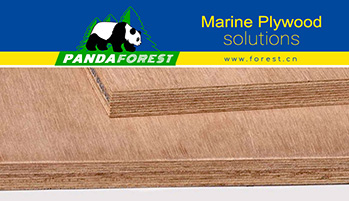
If the plywood will be exposed to moisture, choosing a water-resistant or marine-grade plywood is essential to ensure the material holds up over time. Marine plywood is specifically designed for use in high-moisture environments and is treated to resist rot, making it ideal for exterior projects or areas with high humidity.

FAQs About 12mm Plywood
Q: What is 12mm plywood typically used for?
A: 12mm plywood is often used in construction for wall panels, subflooring, and furniture. It’s strong enough to provide support while remaining easy to work with.
Q: Can 12mm plywood be used outdoors?
A: Yes, but it’s important to choose an exterior or marine-grade 12mm plywood and to properly seal it to protect it from moisture.
Q: Is 12mm plywood strong enough for flooring?
A: While 12mm plywood can be used as an underlayment for flooring, thicker plywood is generally recommended for subflooring in areas with heavy foot traffic.
Q: How do you finish 12mm plywood for a smooth surface?
A: Sanding the edges and applying paint, stain, or varnish can give plywood a smooth, polished appearance.
Q: How does 12mm plywood compare to solid wood?
A: 12mm plywood is more affordable and less prone to warping than solid wood, but it may not offer the same aesthetic appeal without additional finishing.